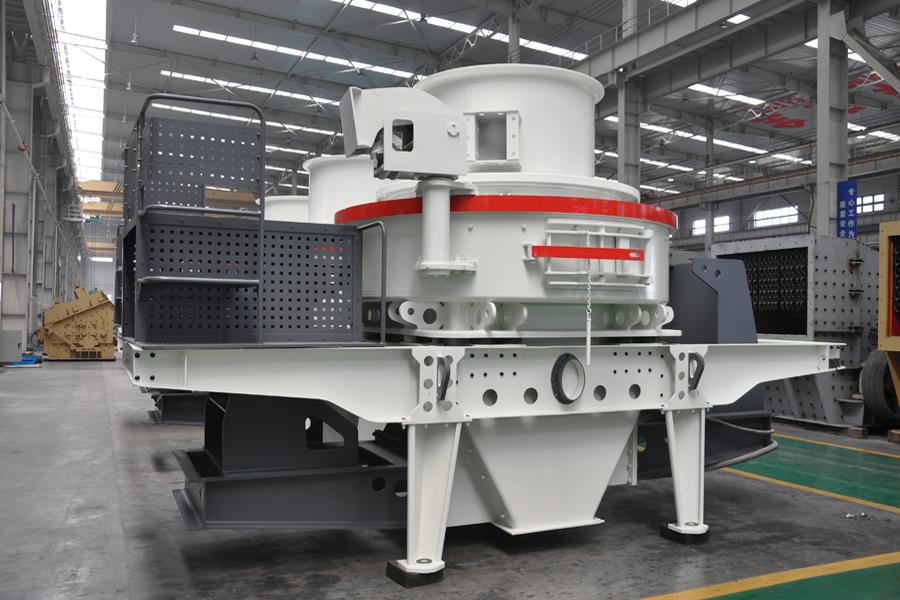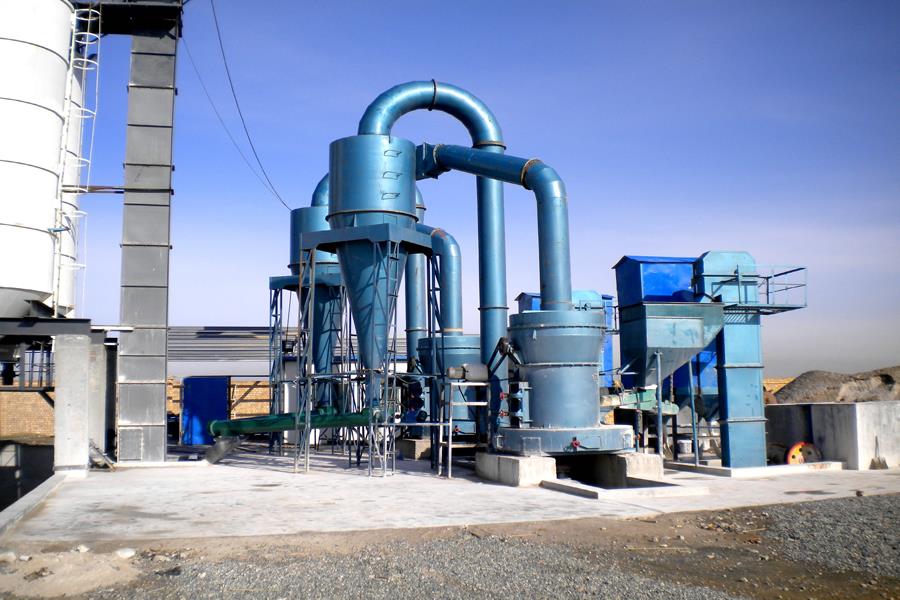
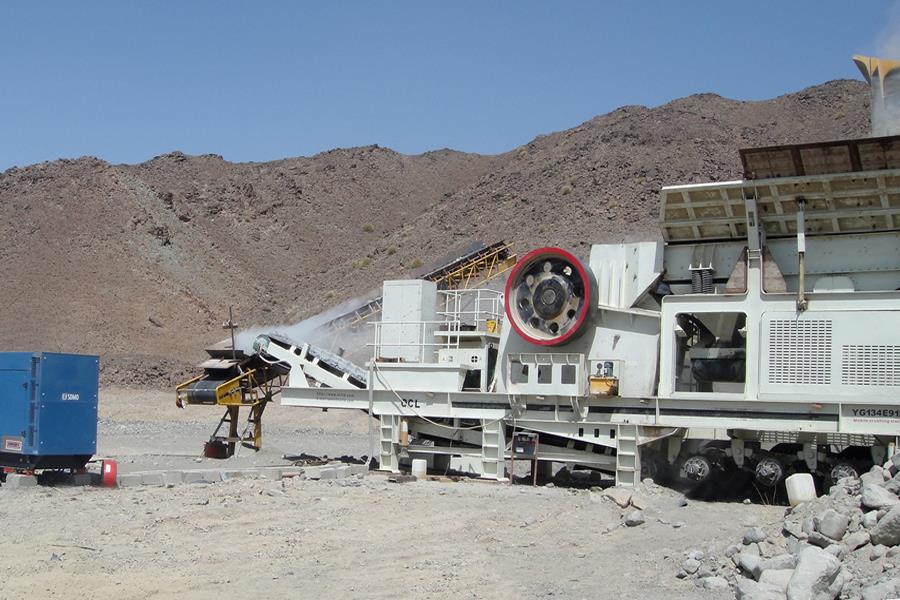
What are the advantages and disadvantages of vertical plate hammer sand makers
Advantages:
1. High crushing ratio with freely adjustable output particle size, unaffected by wear on hammers or wear-resistant liners;
2. Screenless design prevents clogging when processing materials with high moisture or clay content;
3. Equipped with elastic control devices that automatically discharge non-crushable objects to prevent equipment damage;
4. Horizontal bearing arrangement ensures extended service life and enables crushing of high-temperature materials (e.g., cement clinker);
5. The unique rotor structure minimizes wear during material crushing. The rear chamber features a screw or hydraulic opening mechanism, allowing easy replacement of consumable parts without lifting equipment.
Disadvantages:
1. Vertical plate hammer sand makers operate via centrifugal impact, demanding high foundation stability. Unstable operation may cause frequent malfunctions;
2. While sand yield is high, hammer heads wear relatively quickly, though overall operating costs remain acceptable;
3. Its production capacity ranges from 5 to 100 tons per hour, making it suitable for small-scale sand plants. During operation, both the equipment and material weight are concentrated on the main shaft. Very large equipment models may exhibit lower stability. For capacities exceeding 100 tons, an impact sand maker is recommended.
For more information on models, pricing, or other details, please contact our online customer service.