Tips for extending blow bar life in impact crusher for silicified rock
Australian quarry operators and mining contractors know that processing silicified rock is one of the toughest applications for any impact crusher. This highly abrasive, quartz-rich material rapidly wears down blow bars, driving up operating costs and forcing frequent shutdowns. For operations targeting consistent aggregate production or manufactured sand, every extra hour of blow bar life directly improves cost per tonne and reduces unplanned downtime. If you are looking for practical, field-proven tips for extending blow bar life in impact crusher for silicified rock, this guide covers the essential strategies—from metallurgy and rotor settings to feeding practices and maintenance routines.
Understanding Why Silicified Rock Accelerates Blow Bar Wear
Silicified rock is formed when silica-rich fluids infuse existing rock, creating a dense, extremely hard material with a high quartz content. Its abrasion index is significantly higher than that of typical limestone or basalt. In impact crushers, blow bars strike the feed material at high speed, and the resulting impact and friction generate intense wear on the bar surface. The harder the rock, the greater the energy required for breakage, and consequently, the faster the blow bar loses mass. Australian conditions—often hot, dry, and dusty—add further stress, as elevated temperatures can affect the metallurgical properties of certain wear alloys. By understanding these wear mechanisms, operators can make informed choices about material selection, rotor speed, and feed control, all of which are effective tips for extending blow bar life in impact crusher for silicified rock.
Choose the Right Blow Bar Metallurgy for Your Application
Not all blow bars are created equal. For silicified rock, the choice of alloy is the single most influential factor in service life. High-chromium white iron (e.g., Cr26 or Cr27) offers excellent abrasion resistance and is widely used for abrasive feeds. Martensitic steels provide higher toughness and are better suited for applications with occasional tramp iron or large feed lumps, but they may wear faster on pure silicified rock. Some suppliers offer ceramic-insert blow bars or bi-metal designs that combine a wear-resistant outer layer with a tougher core—these can deliver significant improvements under severe abrasive conditions. When evaluating options, ask for comparative wear data on similar rock types. Keep in mind that all technical data and performance figures are continuously updated; please consult our customer service team for the latest parameters and recommendations. A thorough metallurgical assessment is one of the most cost-effective tips for extending blow bar life in impact crusher for silicified rock.
Optimise Rotor Speed and Feed Size for Reduced Wear
Rotor speed directly influences impact energy and, consequently, blow bar wear. Higher tip speeds produce more fines and better product shape, but they also accelerate bar erosion. For silicified rock, reducing rotor speed to the minimum required for the desired gradation can extend blow bar life considerably—often by 15‑25 percent. Similarly, feed size distribution matters. Fine materials cause less impact wear but increase rubbing abrasion, while oversized feed creates high-energy impacts that can cause severe localized wear or even bar breakage. Maintaining a consistent, well-graded feed with a maximum size of 80‑90 percent of the crusher inlet width is recommended. Adjusting the apron settings to allow a larger discharge gap can also reduce re-crushing and unnecessary wear. These operational tweaks are simple yet powerful tips for extending blow bar life in impact crusher for silicified rock, and they cost nothing to implement.
Control Feed Moisture and Fines Content
Moisture content in the feed has a dual effect. A small amount of moisture (2‑3 percent) can help suppress dust and reduce packing in the crushing chamber, but excessive moisture leads to sticky material build‑up on blow bars and apron plates, accelerating localised erosion and causing uneven wear patterns. High fines content, especially when dry, promotes sliding abrasion rather than impact breakage, which wears bars more uniformly but at a faster rate overall. Operators in Australia often deal with dry, dusty feed; pre‑screen or use water sprays sparingly to control dust without saturating the material. Adjusting the feed rate to ensure the crusher is choke‑fed—but not overloaded—keeps the rock bed acting as a protective layer, reducing direct impact on the bars. These feed management practices are proven tips for extending blow bar life in impact crusher for silicified rock.
Implement a Structured Inspection and Rotation Schedule
Even with the best metallurgy and settings, blow bars will eventually wear. The key to maximising total life is to monitor wear patterns and rotate bars regularly. Most impact crushers allow bar rotation—turning the bar end-for-end or flipping it to expose the unworn face. Establishing a daily visual inspection and weekly thickness measurement routine helps identify uneven wear caused by feed segregation or distributor plate issues. Uneven wear often indicates that the feed is not centred or the rotor is out of balance; correcting these conditions early prevents premature bar replacement. Document wear rates to build a predictive model—this allows you to schedule maintenance during planned downtimes rather than reactively. A disciplined inspection regimen is among the most overlooked yet valuable tips for extending blow bar life in impact crusher for silicified rock.
Consider Aftermarket Alternatives That Offer Better Value
Many Australian operators default to original equipment (OEM) blow bars, but high‑quality aftermarket suppliers often provide comparable or superior wear life at a lower price. OCP Mechanical Company, with over 40 years of manufacturing experience, produces blow bars and impact crusher spare parts using advanced alloys and heat‑treatment processes. As a direct Chinese manufacturer, OCP eliminates distributor markups, offering significant savings without compromising quality. Prices are for reference only; final pricing depends on alloy specifications and current raw material costs. When you compare total cost per tonne, aftermarket bars from a reputable manufacturer can be a highly cost‑effective choice. Sourcing directly also allows you to specify custom chemistries tailored to your silicified rock feed—an advantage rarely available from general parts dealers.
Train Your Crew on Best Operating Practices
Human factors are often the biggest variable in blow bar life. Operators who understand the relationship between feed rate, rotor speed, and wear can make real‑time adjustments that save thousands of dollars per month. Provide clear guidelines on maximum feed size, acceptable moisture range, and the warning signs of impending bar failure—such as increased vibration, changed sound, or a drop in production rate. Empower your team to shut down if they detect abnormal conditions. A well‑trained crew is your first line of defence against excessive wear and costly downtime. Investing in training is one of the most effective tips for extending blow bar life in impact crusher for silicified rock.
Australian Conditions: Dust, Heat, and Remote Operations
Australia’s environment adds unique challenges. High ambient temperatures can reduce the toughness of some wear alloys, so selecting materials with appropriate heat resistance is important. Dust accumulation on drive belts and motors can cause slippage or overheating, affecting rotor speed stability. Remote site locations mean spare parts logistics are critical—having a reliable supply partner who can ship promptly to sites in Western Australia, Queensland, or New South Wales is essential. OCP Mechanical Company offers 24‑hour online customer service and can provide rapid quotations and shipping arrangements, ensuring you never run out of critical wear parts. This logistical support directly complements your operational tips for extending blow bar life in impact crusher for silicified rock.
Maximise Your Blow Bar Life and Minimise Cost Per Tonne
Extending blow bar life is not a single action but a combination of material selection, operational control, maintenance discipline, and supply chain reliability. By applying the advice above, Australian quarry managers have achieved 20‑40 percent improvements in wear life on silicified rock, translating directly to lower production costs and higher profitability. Remember that every site is different—start with baseline data, test adjustments incrementally, and measure results.
Get Expert Advice and a Customised Quotation Today
If you are ready to implement these tips for extending blow bar life in impact crusher for silicified rock, OCP Mechanical Company is here to support you. Our team offers free consultation, no‑obligation quotations, and equipment selection advice based on your specific rock type, crusher model, and production targets.
Our customer service representatives are available 24 hours a day, seven days a week. Whether you need assistance choosing the right alloy, interpreting wear data, or placing an urgent order for replacement bars, simply click the chat button on our website to connect instantly. Share your feed characteristics and current wear rates, and we will respond with a tailored solution and a firm price within hours. We are committed to helping Australian operators achieve the lowest possible cost per tonne through high‑quality blow bars and responsive service.
Actual results may vary depending on material characteristics, operating conditions, installation practices, and maintenance routines. OCP Mechanical Company reserves the right to update technical data and pricing. All prices, performance figures, and specifications referenced in this article are for reference only; final confirmation is subject to verification by our customer service team.
-
-
-
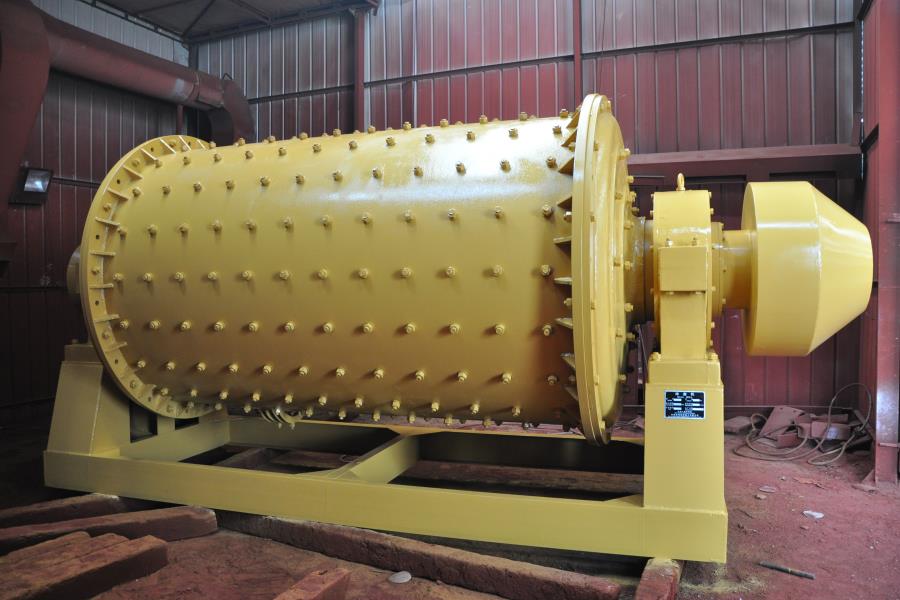
How to select a screen for dry screening of anhydrite 135 tph
-
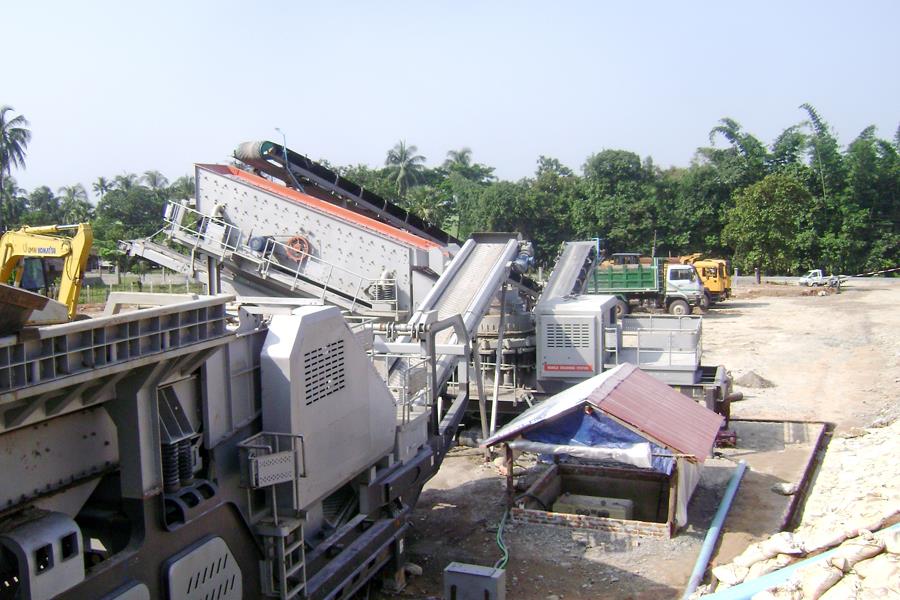
Get quotation for sand washing plant 65 tph for oil contaminated soil in Kuwait
-