
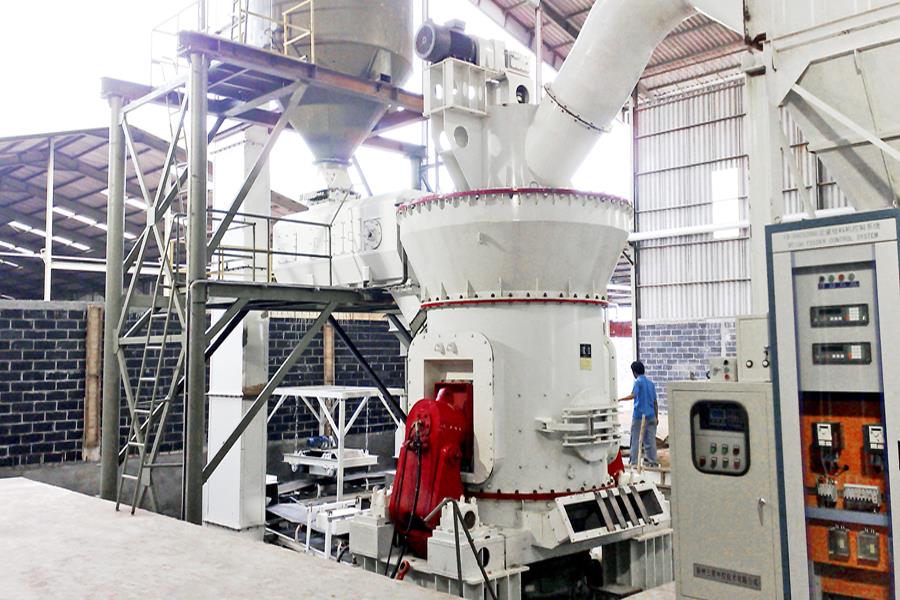
Ordering a 300 tph Limestone Screen in Kenya
The sequence before the machine ships
Ordering a 300 tph limestone vibrating screen in Kenya runs through a fixed sequence: brief, specification, paperwork, payment, freight, customs, installation and a spare parts route. The machine itself is the easy part; the delays usually hide in the pre-shipment verification, the Mombasa haul and the scope list. Ordering a 300 tph limestone vibrating screen in Kenya is a checklist, and each line has to be closed before the next one opens.
The brief the supplier needs
Send feed size distribution, required product fractions, capacity at the closed-side setting, moisture condition, site region (Mombasa coast, Nairobi, Rift Valley or western Kenya), access road and power arrangement. Limestone is soft, so the screen area is driven more by the cut points and fines than by abrasion. State whether the plant serves cement feed, road aggregate or a mix; the deck count and media follow those answers.
Cut points and deck count
Two decks make three products, three decks make four. List the fractions you sell and the fines you can dispose of; a screen that makes a product with no buyer is over-decked. At 300 tph limestone, a 2.4 by 6.1 metre three-deck unit or a 3.0 by 7.3 metre two-deck unit covers the common duties, depending on the finest aperture and the efficiency you need. Ask for the area calculation with the efficiency stated.
Scope on the proforma, line by line
Mark each item included or optional: screen frame, decks, media, exciter or motor, base structure, chutes, liners, guards, control panel, protection, tool kit and the first spare media set. Screening plants often quote the discharge conveyors and feed arrangement separately. Compare scope before comparing price, and note that media and liners are consumables outside warranty. Get the scope list in writing before the deposit.
PVoC and KEBS documentation
Imports into Kenya go through the KEBS pre-shipment conformity route, so the supplier must supply the test reports, product information and packing details needed for the PVoC certificate before loading. Confirm with your importer which standard the machine is declared against, and keep the paperwork matched to the customs entry. A missing conformity document at Mombasa means storage charges and delay, not a simple correction.
Payment and currency
Expect a deposit around 30 percent with the order, the balance against shipping documents or after acceptance. The shilling moves against major currencies over a three-month build, so most equipment contracts are written in US dollars or renminbi with the exchange fixed at order date. Confirm early whether your bank can remit and whether a letter of credit is workable. Pay to a corporate account in the registered company name.
Freight through Mombasa and inland
Most machinery clears at Mombasa (Kilindini), with Lamu serving northern sites as the corridor develops. From the port, the inland leg to Nairobi, Nakuru or Eldoret carries road haulage, possible overload permits and a crane or lowbed at site. Ask for the route, the module weights and the transit estimate before booking. Confirm the site road can take the heaviest single piece; a screen frame that cannot cross a weak bridge waits on the near side.
Rain, dust and heat on the screen
Kenya has long rains from March to May and short rains around October to December, and damp limestone fines blind small apertures faster than dry ones. Plan spray bars and a media choice that resists pegging if you screen through the wet months. Dry seasons bring dust, which asks for sealed bearings and dust suppression at transfer points. Summer heat sizes the panel cooling; confirm the enclosure rating for coastal humidity as well as inland dust.
Installation, commissioning and the spares shelf
Local crews usually erect under supplier drawings or remote guidance, with a commissioning call at start-up. Order the first media set and key wear parts with the machine; sea and inland freight means a missing panel is a long stoppage. Agree who supplies the crane, the first maintenance schedule and the inspection points. From confirmed spec: production roughly 45 to 70 days, sea freight two to four weeks, clearance one to three weeks, installation one to two weeks. Timelines are indicative and updated continuously.
Budget envelope
A 300 tph limestone screen lands roughly between USD 32,000 and 65,000 depending on size, decks, exciter type and media. The screening station with structure, chutes, liners and conveyors runs about USD 100,000 to 190,000 before civils. Prices are indicative and for reference only. Price the first media set and a bearing kit with the machine, and confirm what support response the price includes.
How OCP runs the order with you
OCP Mechanical Company has supplied screening and crushing equipment for more than 40 years: jaw and cone crushers, impact and VSI machines, feeders, vibrating screens, sand washers and complete lines for aggregate, cement feed and metal ores. We send the spec sheet, scope list, drawings and spare parts list before the order, ship direct from the factory, and stay available through commissioning. Ordering a 300 tph limestone vibrating screen in Kenya becomes a straight sequence once the brief and the port route are fixed.
Send the gradation, the fractions and the region
Give us your feed gradation, required fractions, moisture, site region and power arrangement, and we will return two screen layouts with media options and a delivered price, free of charge. The chat button on this site reaches an engineer 24 hours a day. Ordering a 300 tph limestone vibrating screen in Kenya rests on the checklist and the haulage plan, not on a headline price. Capacity, timeline and price figures above are indicative and updated continuously.
Notes: Actual results vary with material characteristics, operating conditions, installation and maintenance practice. OCP Mechanical Company reserves the right to update technical data and prices. All prices and parameters above are for reference only — confirm final figures with our team.
-
-
Limestone Crushing Plant Supplier Nigeria: 500 TPH Custom Solution for Narrow Mining Strips
-
500 tph Basalt Mobile Crushing Plant Quotation in the Philippines
-
-
Mining Permit Term Crusher Supplier Nigeria: Equipment Planning for 30/20/10-Year Licenses