New Manufactured Sand Standards Set Tighter Rules – How Compliance Will Shape Crusher Selection and Process Design
Why China’s new manufactured sand standards – covering parent rock requirements and production procedures – represent a fundamental shift for aggregate producers, and what this means for equipment buyers planning new or upgraded production lines
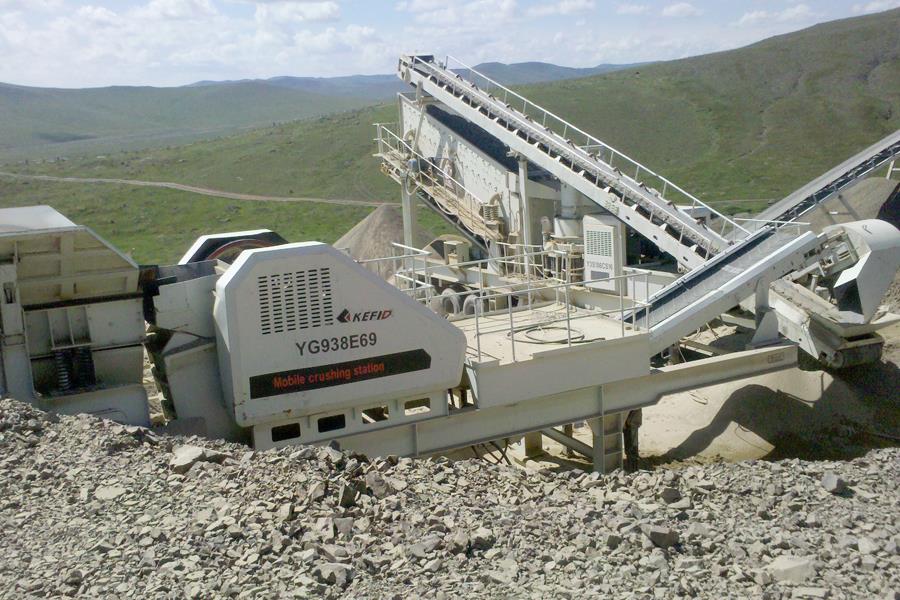
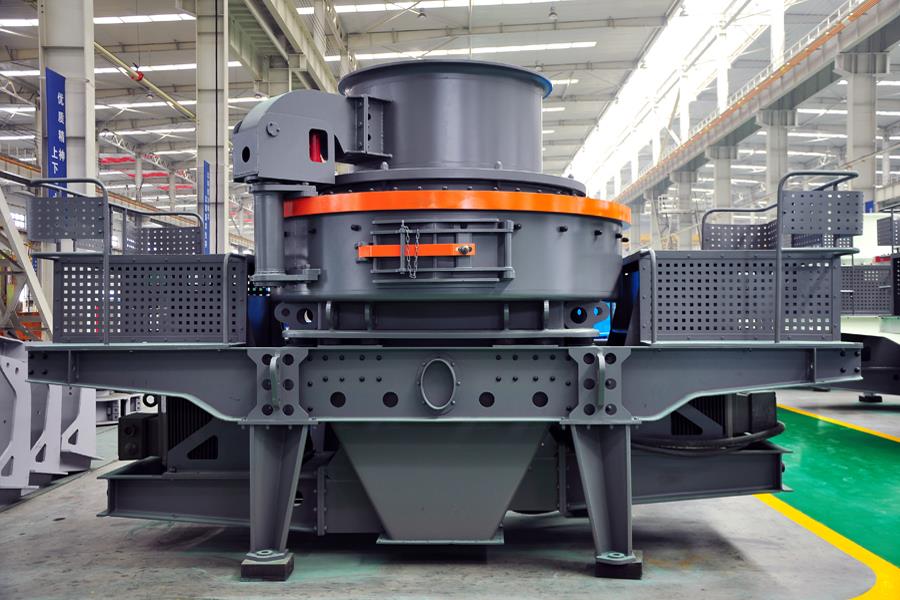
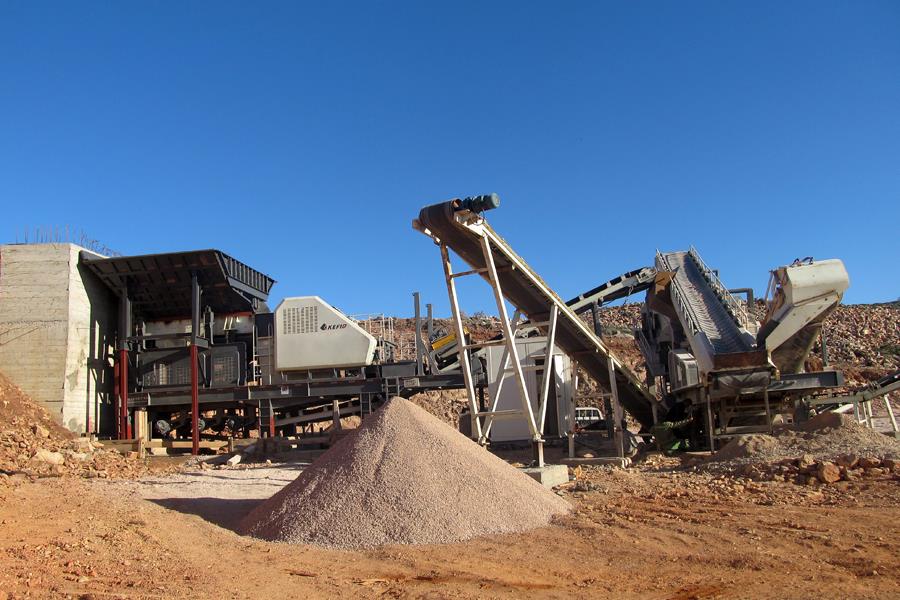
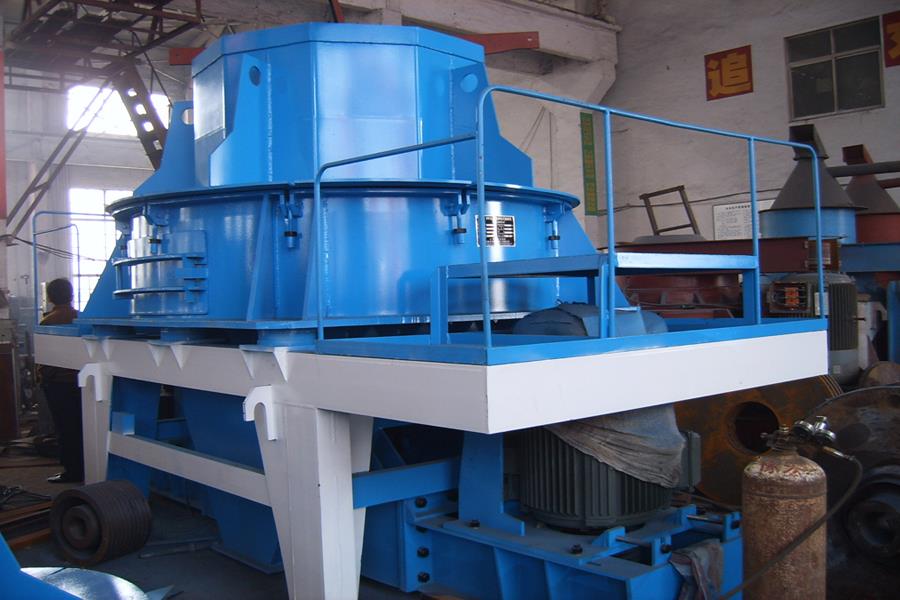
China’s manufactured sand industry has entered a new era of standardisation. On August 16, 2026, the group standard Technical Requirements for Parent Rock of Manufactured Sand and Stone (T/CBMF 380‑2026/T/CAATB 016‑2026) officially came into effect. A second, more comprehensive standard – the industry standard Technical Regulations for the Production of Manufactured Sand and Stone (JC/T 2299‑2026) – was approved by the Ministry of Industry and Information Technology and will become mandatory on February 1, 2027. Together, these two standards establish a complete “raw material – production – product” technical framework. For quarry operators, aggregate producers, and equipment buyers, the message is clear: the era of unregulated manufactured sand production is ending. Producers who fail to meet these standards face the risk of non‑compliance, rejected product, and lost market access. At OCP Mechanical Company, with over 40 years of manufacturing experience, we supply a comprehensive range of crushing and screening equipment – including PE Series jaw crushers, HST Series cone crushers, and VSI 6X sand making machines – designed to help operators meet the new standards while maintaining reliable, cost‑effective production, all at factory‑direct prices.
Why parent rock quality now has a formal standard – and why it matters for crusher selection
For years, the manufactured sand industry lacked a unified standard for parent rock quality. Producers used a wide range of rock types – from limestone, basalt, and granite to tuff, gneiss, metal tailings, mine waste, and tunnel spoil. Even within the same rock type, performance varied significantly. For example, the compressive strength of building stone limestone can range from 30 MPa to 150 MPa. This variability directly affects the quality of manufactured sand – particle shape, gradation, and durability all suffer when parent rock is inconsistent. The new Technical Requirements for Parent Rock (T/CBMF 380‑2026) addresses this gap by defining clear technical indicators, test methods, and inspection rules for parent rock. It introduces key parameters such as abrasiveness and crushability, which were previously unregulated. For equipment buyers, this standard has direct implications for crusher selection. The abrasiveness of the parent rock determines the wear rate on jaw plates, cone liners, and blow bars. The crushability of the rock influences the required reduction ratio and the choice between jaw, cone, and impact crushers. Producers who understand their parent rock characteristics – and select equipment matched to those characteristics – will achieve longer wear part life, lower operating costs, and consistent product quality. OCP Mechanical’s equipment is engineered to handle a wide range of rock types, from soft limestone to hard granite, with wear part options that can be tailored to your specific feed material. All product specifications, including capacity and power ratings, are continuously updated; for the latest parameters, please consult our online customer service.
The production standard – a mandatory framework for the entire manufacturing process
The industry standard JC/T 2299‑2026 Technical Regulations for the Production of Manufactured Sand and Stone goes far beyond parent rock quality. It covers the entire production chain: mine development, processing, quality control, environmental protection, occupational health and safety, and information management. The standard updates and replaces the 2014 version, reflecting the rapid technological advances in the industry over the past decade. It optimises key quality control metrics and aligns with national standards GB/T 14684 (construction sand) and GB/T 14685 (construction gravel and pebble). For producers, compliance with this standard will become mandatory from February 1, 2027. The standard provides clear guidance on process design for new and upgraded production lines, helping operators reduce energy consumption and processing costs. It also aims to break down barriers to the use of manufactured sand in high‑end engineering applications by ensuring consistent product quality. For equipment buyers, this standard means that future production lines must be designed with specific process requirements in mind – from the type of crusher and screen to the dust control and automation systems. OCP Mechanical offers complete plant solutions that can be configured to meet the requirements of JC/T 2299‑2026, with energy‑efficient motors, intelligent control systems, and integrated dust suppression that help operators achieve compliance while maintaining high productivity. Prices are for reference only and are subject to change based on configuration and market conditions.
How the two standards work together – a “raw material to product” quality chain
The two standards are designed to work as a complementary system. The Technical Requirements for Parent Rock sets the quality baseline for the input material, while the Technical Regulations for Production governs the process that transforms that material into finished product. Together, they create a complete quality chain: from the quarry face to the final product stockpile. This integrated approach is a significant step forward for the industry. It provides a unified basis for mine planning, parent rock testing, production line design, and quality control. For aggregate producers, this means that equipment selection must now be considered in the context of both the parent rock characteristics and the process requirements. A crusher that performs well on one rock type may not meet the standards on another. A screening system that delivers adequate gradation for a soft rock may fail to achieve the required particle shape on a harder rock. OCP Mechanical’s comprehensive product range – from primary jaw crushers to VSI sand makers and vibrating screens – enables operators to build an integrated plant that meets the requirements of both standards. Our engineering team can assist with plant design and equipment selection to ensure that your production line achieves compliance with the new regulatory framework.
What the standards mean for equipment buyers – a checklist for compliance
For quarry operators and aggregate producers planning new plants or upgrading existing lines, the new standards create a clear checklist for equipment selection. First, parent rock testing is now essential. Producers must understand the compressive strength, abrasiveness, and crushability of their feed material before selecting crushers. Second, the process design must follow the principles set out in JC/T 2299‑2026, including the correct sequence of crushing, screening, and sand making stages. Third, quality control systems must be in place to monitor product gradation, particle shape, and fines content. Fourth, environmental protection measures – including dust suppression and noise control – are now a standard requirement. Fifth, information management systems are expected to track production data and quality metrics. Equipment that cannot integrate with these systems may fall short of compliance. OCP Mechanical’s equipment is designed with these requirements in mind, featuring robust construction, energy‑efficient drive systems, and optional automation and monitoring capabilities that help operators achieve and maintain compliance. All product specifications, including capacity and screening accuracy, are continuously updated; for the latest parameters, please consult our online customer service.
Sample compliance checklist (For reference only)
| Requirement | Relevant Standard | Equipment Implication |
|---|---|---|
| Parent rock compressive strength | T/CBMF 380‑2026 | Crusher selection (jaw, cone, or impact) based on rock hardness |
| Parent rock abrasiveness | T/CBMF 380‑2026 | Wear part material selection (manganese, high‑chrome, or ceramic) |
| Process design (crushing, screening, sand making) | JC/T 2299‑2026 | Complete plant configuration with correct stage sequence |
| Quality control (gradation, shape, fines) | JC/T 2299‑2026 | Screening equipment with accurate classification |
| Dust suppression and environmental protection | JC/T 2299‑2026 | Integrated dust collection systems |
| Information management | JC/T 2299‑2026 | Automation and monitoring systems |
All figures and recommendations are for reference only and are continuously updated. For the latest parameters, please consult our online customer service. Prices are for reference only and are subject to change based on configuration and market conditions. Actual results may vary depending on feed characteristics, operating conditions, and maintenance practices. OCP Mechanical reserves the right to update technical data and pricing without prior notice.
Why OCP Mechanical is your partner for compliant manufactured sand production
With over 40 years of manufacturing experience, OCP Mechanical combines engineering excellence with a deep understanding of the evolving regulatory landscape. We are a factory‑direct supplier, meaning you avoid the markups charged by dealers and intermediaries. Our comprehensive range of crushing and screening equipment – PE Series jaw crushers, HST Series cone crushers, and VSI 6X sand making machines – is built with high‑quality components and is designed for reliable performance in the most demanding applications. We provide comprehensive after‑sales support, including spare parts availability, technical assistance, and on‑site training. Our logistics team has extensive experience shipping to global destinations, ensuring timely delivery of equipment and parts. We are committed to helping you achieve efficient, compliant manufactured sand production that supports your business growth.
Conclusion – The window for compliance is open – invest now to meet the new standards
The new manufactured sand standards represent a significant step forward for the industry. The Technical Requirements for Parent Rock (effective August 2026) and the Technical Regulations for Production (mandatory February 2027) establish a clear framework for quality, process, and environmental performance. For quarry operators and aggregate producers, the message is clear: compliance is no longer optional. Producers who invest in modern, well‑engineered equipment that meets these standards will be well‑positioned to supply the growing market for high‑quality manufactured sand. Those who delay face the risk of non‑compliance, rejected product, and lost market share. OCP Mechanical offers the equipment, expertise, and factory‑direct pricing you need to succeed in this new regulatory environment. Our online customer service team is available 24/7 to provide free consultation, technical data, and a customised quotation for your operation. Click the chat button now – let us help you build a compliant, efficient, and profitable manufactured sand operation.