Mining Equipment Industry in 2026 – Green, Smart, and Integrated Transformation Reshapes the Market
Why the mining equipment industry is entering a deep transformation phase – and what it means for quarry operators, aggregate producers, and equipment buyers worldwide
The mining equipment industry is undergoing a fundamental shift in 2026. Driven by carbon reduction targets, intensified environmental enforcement, and accelerating mine consolidation, the sector has entered what industry analysts describe as a "deep transformation phase" encompassing green, smart, and integrated development. National mining energy intensity has declined by 8‑12 per cent year-on-year, while dust, noise, and emission compliance standards have been significantly upgraded, accelerating the phase-out of inefficient equipment. Environmental compliance costs now account for 15‑20 per cent of total operating expenses across sand, limestone, and metal mining operations, with uncertified equipment barred from use. At the same time, small mines with annual output below 1 million tonnes are closing at a rate exceeding 60 per cent, while large-scale operations now account for 75 per cent of total capacity. For quarry operators and mining companies, these shifts are not just regulatory changes – they are reshaping the entire equipment purchasing landscape. At OCP Mechanical Company, with over 40 years of manufacturing experience, we supply a comprehensive range of crushing and screening equipment – including PE Series jaw crushers, HST Series cone crushers, and VSI 6X sand making machines – designed to meet the evolving demands of modern mining operations, all at factory-direct prices.
The four key drivers reshaping the industry in 2026
Four critical variables are driving the transformation of the mining equipment market. First, carbon reduction targets have become a hard constraint, with mining operations required to achieve measurable energy intensity reductions and meet upgraded emissions standards. Equipment that fails to meet these standards is being phased out. Second, environmental inspections have become routine, with comprehensive enforcement covering air, water, and land pollution. Compliance costs now represent a significant portion of operating budgets, and uncertified equipment is no longer permitted on site. Third, small and medium mines are being consolidated at an accelerating pace. Mines with annual production below 1 million tonnes are shutting down, while large-scale operations are expanding their share of total capacity. This consolidation is driving demand for high-capacity, durable equipment capable of continuous operation. Fourth, technology upgrades have become a competitive necessity. Green crushing, intelligent control systems, modular integrated solutions, and low-energy sand making are now the dominant technology pathways, with smart equipment penetration reaching 45 per cent – up 12 percentage points year-on-year. The evaluation logic for equipment purchasing has shifted from price and capacity to a four-dimensional score covering environmental compliance, energy consumption, total cost of ownership, and service response speed. Manufacturers with ISO9001, CE, and TUV certifications, along with low-energy patents, are gaining a clear competitive advantage.
Four technology pathways – understanding your options
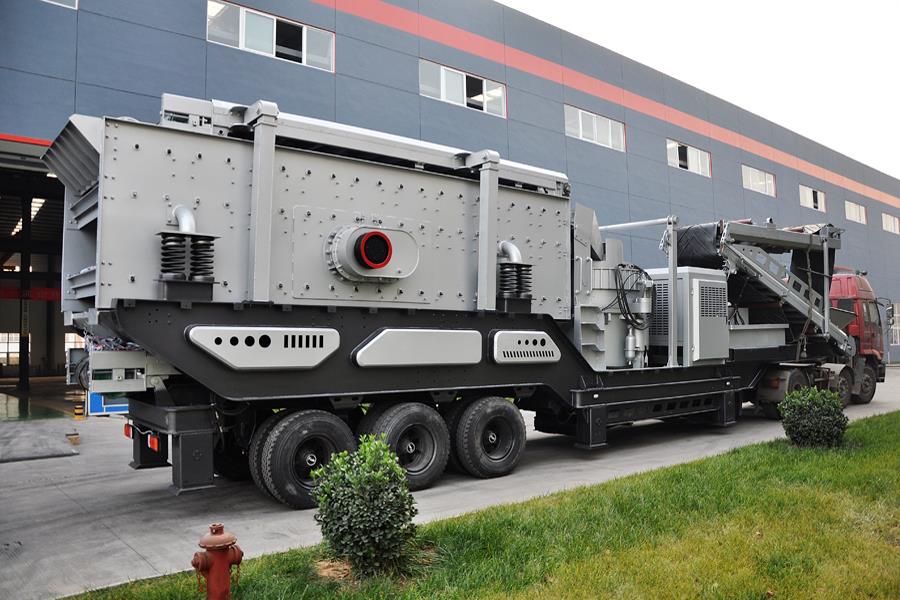
The industry has identified four main technology pathways, each suited to different applications and operating conditions. The first is green, high-efficiency crushing and screening – the mainstream route for high-standard aggregate production. This pathway delivers energy consumption reductions of 30‑50 per cent compared to traditional equipment, dust emissions below 10 mg/m³ meeting national standards, and product qualification rates above 98 per cent. It is well-suited for high-speed rail and highway aggregates, limestone mining, tunnel spoil processing, and construction waste recycling. The second pathway is intelligent modular integration – ideal for short-term projects and mobile operations. Modular systems can be installed in as little as 72 hours compared to 30 days for traditional lines, with relocation costs reduced by 60‑70 per cent. They require no foundation work and are highly adaptable to plateau, desert, and temporary sites. The third pathway is intelligent control and unmanned operation – a key direction for large mines seeking to reduce labour costs. 5G remote control, AI scheduling, and unmanned operation can replace 60‑80 per cent of labour in crushing, screening, and conveying, with equipment availability exceeding 95 per cent compared to 80‑85 per cent for traditional equipment. AI load balancing can further reduce energy consumption by 10‑15 per cent. The fourth pathway is low-energy premium sand making – addressing the growing demand for high-quality manufactured sand from crushed stone fines and tailings. This pathway can increase sand production rates by 20‑25 per cent, reduce fines content by 10‑15 percentage points, and achieve energy savings of up to 250 kW per machine. At OCP Mechanical, our equipment portfolio covers multiple technology pathways, enabling operators to select the solution that best fits their specific application and operating conditions.
Four selection dimensions – a framework for equipment buyers
Industry analysts have developed a four-dimensional framework to guide equipment selection in the new environment. The first dimension is capacity matching. Equipment should be sized to meet peak production with a 10‑20 per cent margin to avoid overloading. Feed opening dimensions should accommodate the maximum feed size with a 20 per cent margin, and continuous operation should achieve stable output with less than 5 per cent fluctuation. The second dimension is environmental compliance – a non-negotiable factor that directly affects project approval. Equipment must meet emissions standards of 10 mg/m³ for dust and 85 dB(A) for noise, with zero wastewater discharge and third-party testing reports. ISO9001, CE, and TUV certifications are essential, and green mining certifications are increasingly required. The third dimension is total cost of ownership – prioritising long-term economics over initial price. Energy consumption should be below 5 kWh per tonne for combined crushing and sand making, wear part life should exceed 800 hours, and annual maintenance costs should be below 8 per cent of equipment value. The fourth dimension is service capability – critical for minimising downtime and production losses. Suppliers should offer 24/7 customer support, rapid on-site response, and local spare parts availability.
What the future holds – trends through 2030
Looking ahead to 2030, industry analysts project continued transformation across multiple dimensions. Green technology will deliver further energy reductions of 20‑30 per cent. Smart equipment penetration is expected to reach 70 per cent, and modular solutions will account for more than 50 per cent of short-term projects. High-standard sand equipment demand will continue to grow. The domestic market is expected to grow at a compound annual rate of 5‑8 per cent, while export markets – particularly in Southeast Asia, Central Asia, and Africa – will account for an increasing share of total sales. Environmental standards will continue to tighten, with energy consumption becoming a primary barrier to entry for high-consumption, high-emission producers. The competitive landscape is consolidating around leading domestic manufacturers who combine technology, production capacity, service, and cost advantages. International players with strong technical foundations but higher costs and slower service response are losing market share, while smaller players with limited technology, patents, and service networks are being eliminated. For equipment buyers, the message is clear: investing in green, smart, and integrated solutions is not just about compliance – it is about long-term competitiveness.
Sample industry data summary (For reference only)
| Metric | Value |
|---|---|
| Energy intensity reduction (year-on-year) | 8‑12% |
| Environmental compliance cost share | 15‑20% |
| Small mine closure rate | >60% |
| Large mine capacity share | 75% |
| Smart equipment penetration | 45% |
| Smart equipment growth (year-on-year) | +12 percentage points |
| Green crushing energy saving | 30‑50% |
| Dust emission standard | ≤10 mg/m³ |
| Modular installation time | 72 hours |
| Labour replacement rate (smart systems) | 60‑80% |
| Smart equipment availability | ≥95% |
All figures and recommendations are for reference only and are continuously updated. For the latest parameters, please consult our online customer service. Prices are for reference only and are subject to change based on configuration and market conditions. Actual results may vary depending on feed characteristics, operating conditions, and maintenance practices. OCP Mechanical reserves the right to update technical data and pricing without prior notice.
Why OCP Mechanical is your partner for the new era of mining equipment
With over 40 years of manufacturing experience, OCP Mechanical combines engineering excellence with a deep understanding of the evolving mining equipment landscape. We are a factory-direct supplier, meaning you avoid the markups charged by dealers and intermediaries. Our comprehensive range of crushing and screening equipment – PE Series jaw crushers, HST Series cone crushers, and VSI 6X sand making machines – is built with high-quality components and is designed for reliable performance in the most demanding applications. We provide comprehensive after-sales support, including spare parts availability, technical assistance, and on-site training. Our logistics team has extensive experience shipping to global destinations, ensuring timely delivery of equipment and parts. We are committed to helping you achieve efficient, productive operations that meet the new standards of green, smart, and integrated mining.
Conclusion – Invest in equipment for the new era of mining
The mining equipment industry is being reshaped by green, smart, and integrated transformation. For quarry operators and mining companies, this means investing in equipment that meets higher environmental standards, delivers lower operating costs, and supports intelligent operation is no longer optional – it is essential for survival and growth. OCP Mechanical offers the equipment, expertise, and factory-direct pricing you need to succeed in this new environment. Our online customer service team is available 24/7 to provide free consultation, technical data, and a customised quotation for your operation. Click the chat button now – let us help you navigate the transformation with reliable, efficient equipment solutions.