For mortar production, a limestone sand making plant 100 tph for mortar grade sand delivers fine, well‑graded particles that improve workability and bond strength. Limestone is softer than granite or basalt, which allows for higher throughput and lower wear costs. Below we describe a typical plant layout and how OCP Mechanical Company supports mortar sand producers.
1. Why Limestone Is Ideal for Mortar Sand
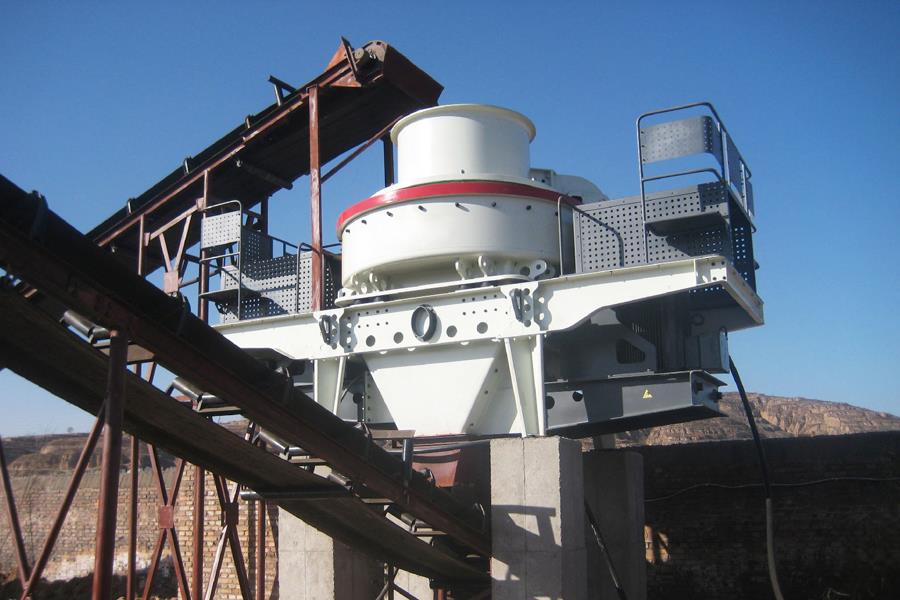
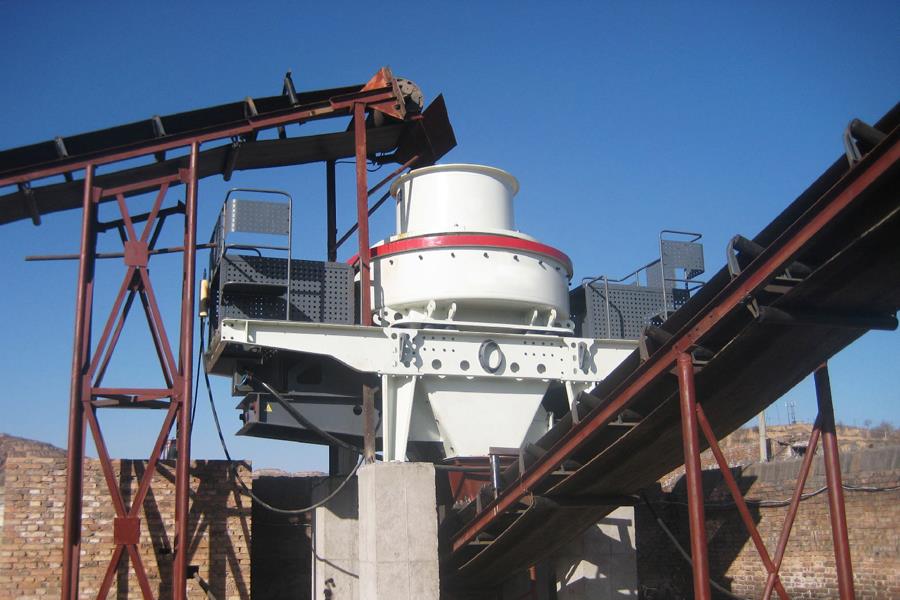
A limestone sand making plant 100 tph for mortar grade sand typically uses a vertical shaft impactor (VSI) or a hammer crusher as the core machine. Mortar sand requires a particle size distribution with 80‑90% passing 1.18 mm and controlled fines (10‑20% passing 0.075 mm). Limestone’s moderate hardness (3‑4 Mohs) makes it easy to crush and shape, while its natural white color is preferred for light‑colored mortars.
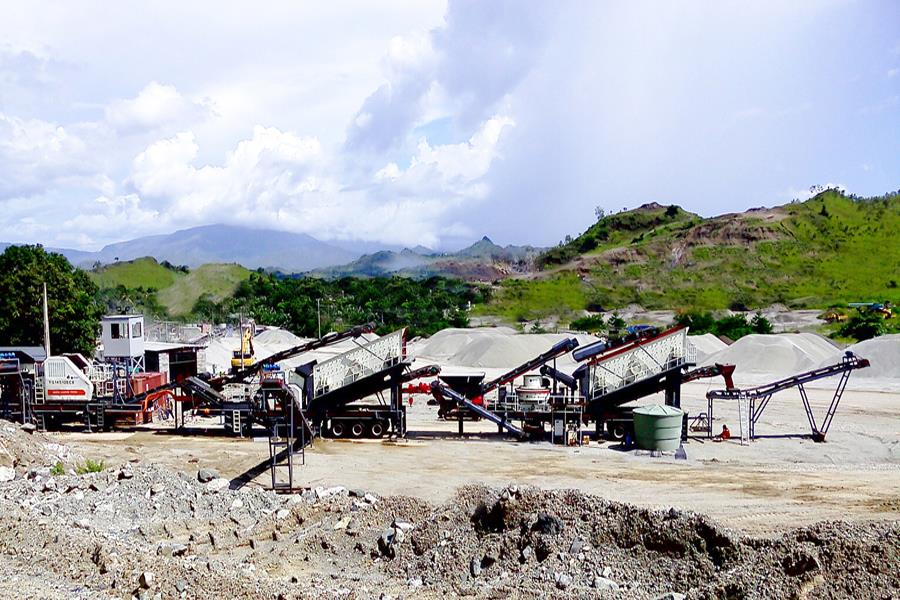
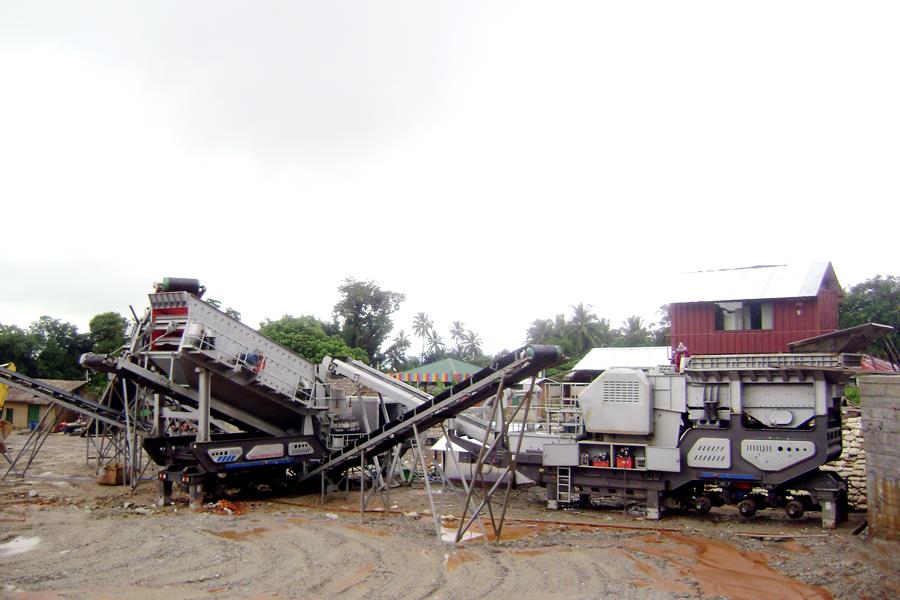
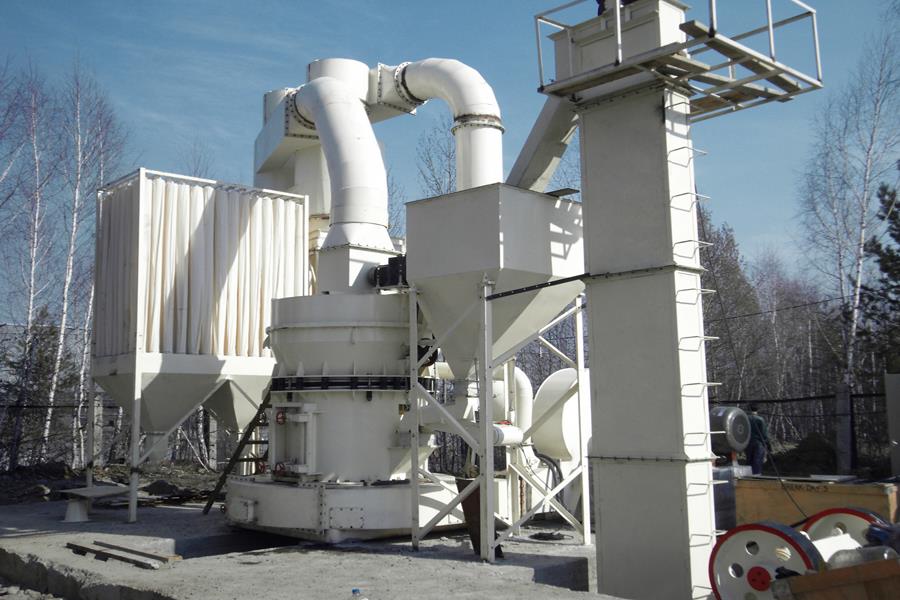
OCP offers the Type L sand plant, integrating a jaw crusher, VSI, vibrating screen, and optional sand washer. Note: Product data are constantly updated; for the latest specifications of Type L, please contact our online customer service.
Typical equipment for a limestone sand making plant 100 tph for mortar grade sand (for illustration only; actual data subject to continuous improvement):
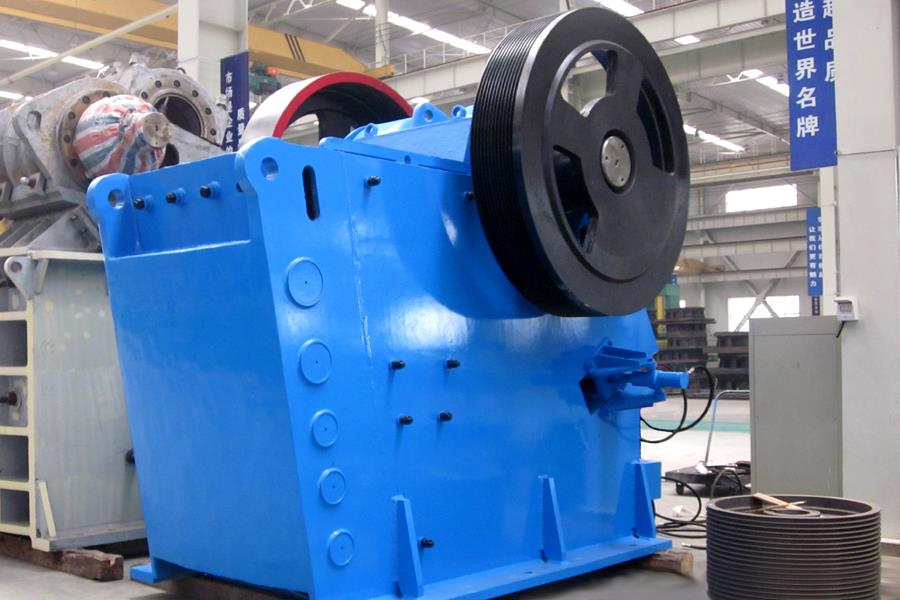
Primary: Type J jaw crusher (feed opening 600x900 mm)
Secondary: Type V VSI (rock‑on‑rock, rotor speed 1,600‑1,900 rpm)
Screen: 2 decks (1,500 x 5,000 mm) with 1.18 mm and 0.075 mm apertures
Optional: Type W sand washer to remove ultrafines if required
The above values are for illustration only. OCP continuously improves its products. Contact our online team for the most current data sheet.
Many mortar sand producers in the Middle East and North Africa have adopted this configuration, reporting consistent gradation and low iron contamination.
2. How to Control Gradation and Fines Content
Operating a limestone sand making plant 100 tph for mortar grade sand requires careful control of rotor speed and screen apertures. For mortar grade, the target is a high proportion of particles between 0.15 mm and 1.18 mm. Too many fines (<0.075 mm) can increase water demand, while coarse particles (>2.36 mm) cause rough texture.
To optimize your plant, we recommend:
Set VSI rotor speed between 1,700‑1,900 rpm – Higher speed generates more fines, which is desirable for mortar sand (but avoid exceeding 20% passing 0.075 mm).
Use a double‑deck screen – Top deck with 2.36 mm to remove oversize, bottom deck with 0.075 mm to separate ultrafines. Oversize returns to the VSI.
Consider an air classifier – For precise control of the 0.075‑0.15 mm fraction, an air classifier is more efficient than wet washing.
OCP’s Type V VSI features a variable frequency drive (VFD) for easy speed adjustment. Many operators find that with limestone, a set of tungsten carbide tips lasts 300‑500 hours – significantly longer than with hard rock. Actual tip life depends on feed size and abrasiveness – please ask our engineers for a site‑specific estimate.
To keep your limestone sand making plant 100 tph for mortar grade sand running economically, we recommend:
Pre‑screening fines below 5 mm before the VSI to reduce unnecessary tip wear.
Inspecting screen panels weekly for blinding (limestone dust can be sticky).
Keeping a spare set of VSI tips and screen media in stock.
As a direct‑selling manufacturer, OCP provides factory pricing on all wear parts and can ship to regional warehouses in Africa, the Middle East, and Southeast Asia within 12‑18 days.
3. Why OCP Is a Reliable Partner for Mortar Sand Projects
Choosing a limestone sand making plant 100 tph for mortar grade sand is about achieving the right gradation while keeping costs low. OCP Mechanical Company has over 40 years of history in crushing and screening equipment. We offer:
Free pre‑sale testing on your limestone sample to determine optimal VSI speed and screen apertures.
A customized flow sheet that matches your target mortar specifications (e.g., type N or type S mortar).
24/7 online technical support for installation, tuning, and troubleshooting.
Our Type L sand plant has been successfully deployed in mortar sand projects across Africa, the Middle East, and Southeast Asia. Customers often highlight the consistent gradation, low wear cost, and economical price.
Note: Actual sand gradation depends on feed material and operating conditions. We recommend on‑site trials for critical projects.
For a no‑obligation quotation and a detailed specification sheet of our limestone sand making plant 100 tph for mortar grade sand, simply click the live chat icon on this page. Our online customer service team is available 24 hours a day, 7 days a week, to answer your technical questions, provide free advice on mortar sand production, and help you produce high‑quality lime sand for construction.