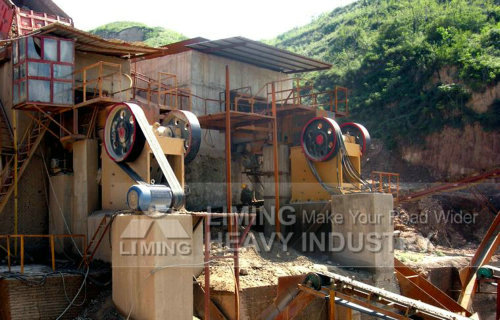
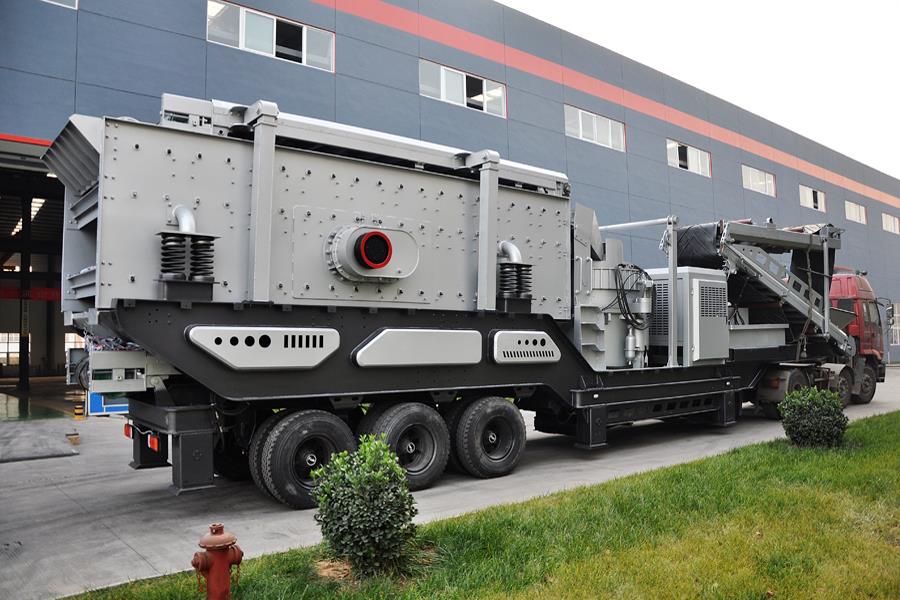
Jaw crushers hold an unshakable position in aggregate production lines
As a widely used crusher in the sand and gravel industry, the jaw crusher, due to its unique structural design, is primarily employed for primary crushing—or coarse crushing—in production lines such as ore crushing and sand making. Its advantages include excellent crushing performance, high crushing ratio, high crushing efficiency, large stroke, high output, simple structure, easy maintenance, and economical operating costs. Consequently, even amidst continuous innovation and development in crushing machinery, they remain highly favored and prominent among users. Today, we provide a detailed analysis of the jaw crusher's significant role in aggregate production lines, with specific insights as follows:
A. What advantages does selecting a jaw crusher for primary crushing offer compared to other aggregate crushing equipment?
1. The new generation jaw crusher features a deep chamber with no dead zones, enhancing both feed capacity and output while producing more uniformly sized crushed products.
2. Compared to other crushing equipment, the jaw crusher's wedge-type discharge adjustment mechanism offers a wide range of output regulation and flexible operation, meeting diverse customer processing requirements.
3. Low operational noise levels, compatible with dust collection systems, fully compliant with environmental standards.
B. What role does the jaw crusher play in a stone production line?
Within the stone production process, the jaw crusher primarily performs coarse crushing operations. When materials enter the crushing chamber via conveying equipment, the machine applies pressure to the ore through compression between two jaw plates. Once pressure exceeds the ore's compressive strength, the ore fractures. Subsequently, the two crushing components intersect to exert further pressure, deforming and fracturing the ore.
C. Production Process of Stone Production Lines Featuring Jaw Crushers
The entire stone production line process can be broadly divided into three steps: primary crushing, secondary crushing, and screening.
The specific process flow is as follows: Raw materials extracted from the quarry are fed into the jaw crusher via a feeder for primary crushing. The crushed material is then conveyed to the secondary crushing stage—an impact crusher—for further reduction. The secondary crushed stone is transported to a vibrating screen for grading. Particles that do not meet the required size specifications are returned to the impact crusher for reprocessing. Material that meets the required size is sent to the vibrating screen, where it is separated into different specifications based on particle size. The separated material is then conveyed by belt to the corresponding finished product areas.
We welcome you to visit OCP Heavy Industry for on-site inspections of our facilities and crushers, and to consult on crusher selection and production line design. Our specialists will recommend suitable crushers and design optimal production lines based on your material properties and regional production characteristics! Click the website chat icon for immediate free consultation.
-
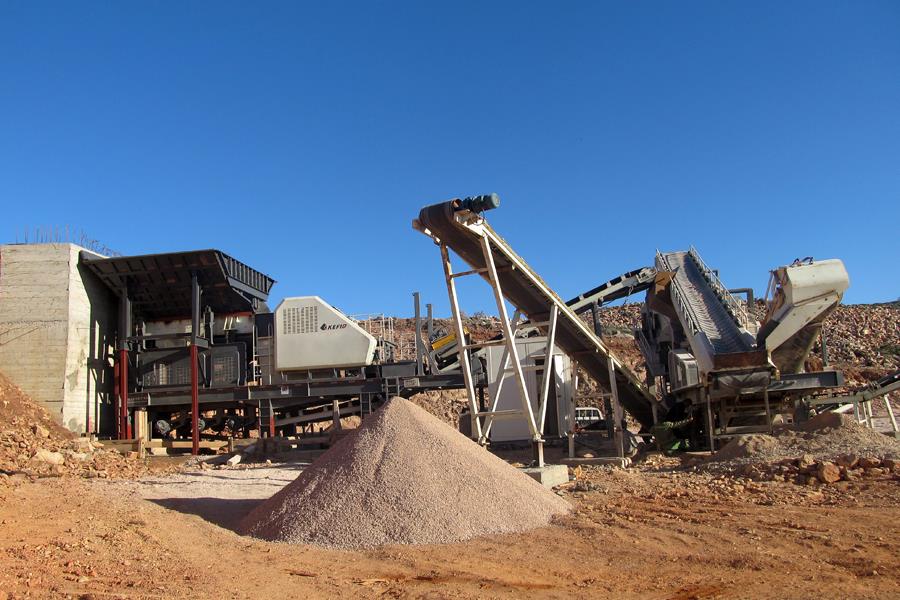
How to Select the Chamber Type for Multi-Cylinder Hydraulic Cone Crushers
-
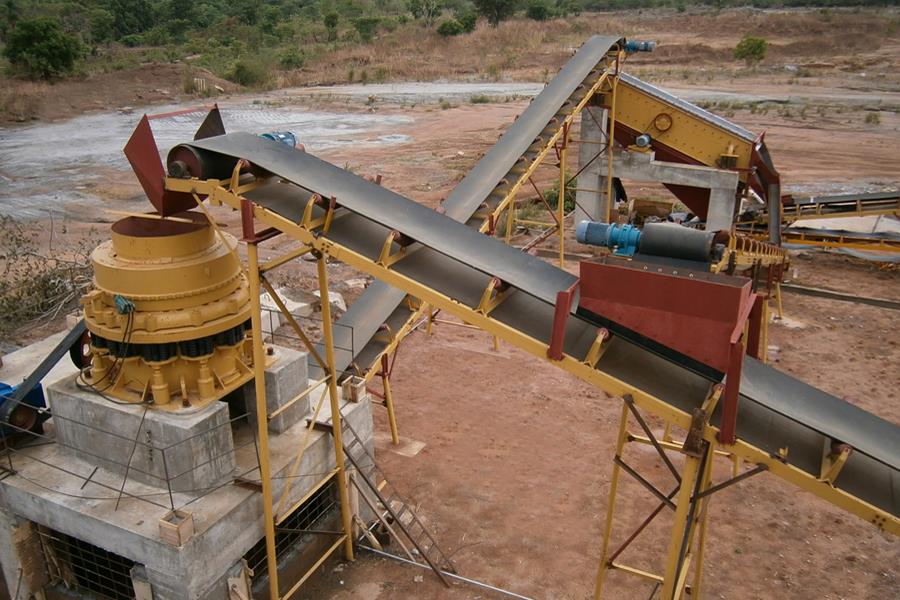
What crushing equipment is required for stone sand production
-
-
How does a single-cylinder hydraulic cone crusher perform in hard rock crushing operations
-