Jaw Crusher Troubleshooting: Fix Common Issues in 10 Minutes
Quick-Reference Cheat Sheet
Problem 1: Uneven Jaw Plate Wear
Symptoms: Material buildup on one side, reduced crushing force.
Fix:
Check feeder alignment – adjust to center the feed (target: ±5mm tolerance).
Rotate/replace plates every 200 hours (use asymmetric jaw designs for abrasive materials).
Problem 2: Excessive Vibration
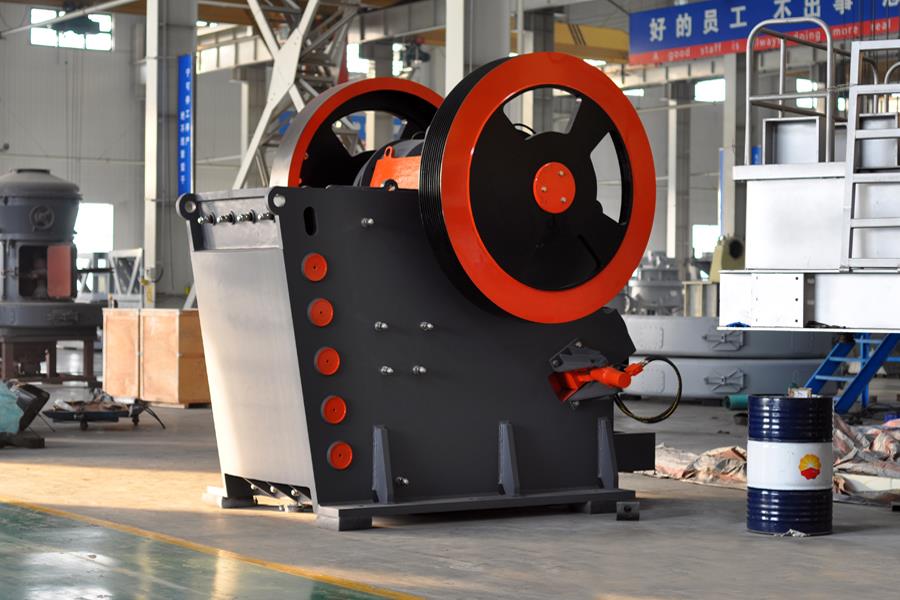
Root Causes: Loose foundation bolts, unbalanced flywheel, or worn toggle seats.
Step-by-Step Fix:
Tighten bolts to 450-500 N·m torque (refer to model-specific manual).
Rebalance flywheel with laser alignment tools (max imbalance: 0.2mm).
Replace toggle seats if wear exceeds 3mm depth.
10-Minute Daily Maintenance Routine
1.Visual Inspection (2 mins):
Check for oil leaks around the eccentric shaft bearing (common failure point).
Measure jaw plate thickness with calipers (replace if <30% of original).
2.Lubrication (3 mins):
Grease toggle plates with NLGI #2 lithium-based grease (5-7 pumps per point).
3.Performance Check (5 mins):
Run empty for 2 mins, monitor noise (<85 dB).
Test CSS adjustment – verify 5mm increments via hydraulic controls.
Pro Tips from Veteran Operators
“The Hammer Test”: Tap toggle plates with a 2lb hammer – a dull “thud” indicates cracks.
DIY Dust Control: Attach a PVC pipe to the discharge chute and mist water via a garden sprayer.
Case Study: Rescue Mission in a Philippine Gold Mine
A jammed Lippmann 3650 jaw crusher halted operations. The crew:
Cleared a 900kg “bridged” boulder using a hydraulic rock hammer (saved 8 hours vs. disassembly).
Restarted production in 11 minutes – avoiding $28,000 in downtime costs.
CTA: Click on the online customer service on the left to learn more about the equipment details.