
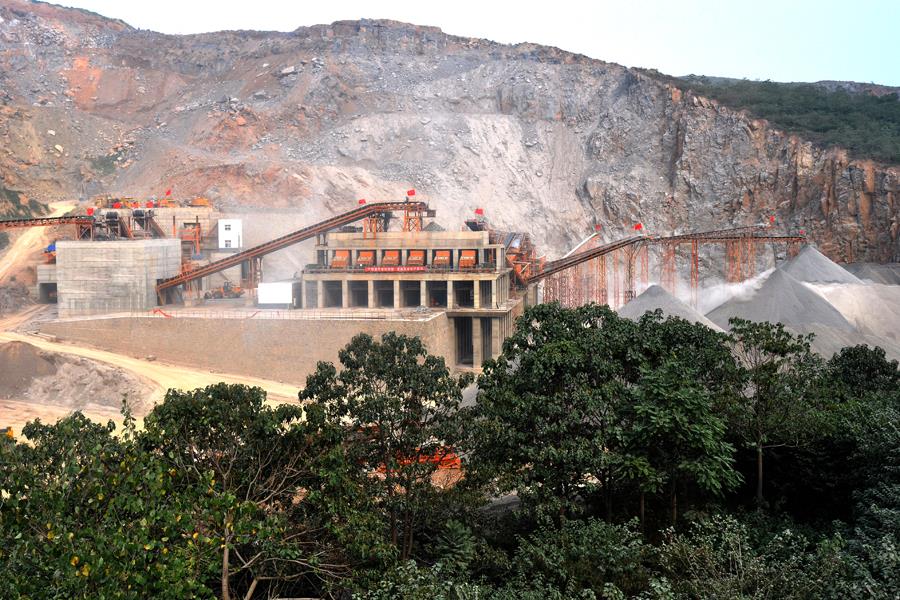
Jaw & Cone Crusher 800 tph Gold Ore Brazil
Buy jaw or cone crushers for an 800 tph gold ore plant in Brazil. Compare primary and secondary crushing options, complete circuits, mobile plants, wear costs, logistics factors and OCP Mechanical Company support.
Send InquiryProduct Details
When building an 800 tph gold ore processing plant in Brazil, choosing between a jaw crusher and a cone crusher—or deciding how to combine them—is one of the most critical investment decisions. A standalone primary crusher, a complete fixed crushing circuit, and a modular crushing station all require different budgets. For Brazilian mining companies, ore processing plants, and infrastructure developers, the real question is: what total investment is needed to crush 800 tph of hard gold ore reliably under local power, water, logistics, and site conditions?
What affects the 800 tph gold ore crusher price
Crusher pricing depends on the machine type, feed opening, maximum feed size, discharge setting, motor power, frame design, wear parts, bearings, lubrication system, feeder, screen, conveyors, dust control, support structure, and whether the crusher is part of a complete processing circuit. Gold ore is often hard and highly abrasive, so an 800 tph project usually requires heavy-duty equipment with strong wear protection.
For reference, some Chinese-market jaw crushers are listed from smaller PE-400×600 units to large PE-1200×1500 heavy-duty models, while multi-cylinder hydraulic cone crushers like HPM800 can reach capacities of over 1,000 tph depending on the cavity. These figures are only market references and should not be treated as a final quotation for a specific 800 tph gold ore project in Brazil.
Jaw crusher vs cone crusher for gold ore
Jaw crushers and cone crushers are complementary, not substitutes. A jaw crusher is usually the primary crusher, handling large run-of-mine ore directly from the excavation site. A cone crusher is typically used for secondary or tertiary crushing to achieve finer, more uniform product sizes before grinding.
For an 800 tph gold ore line, a typical configuration includes a jaw crusher as the primary stage, followed by a cone crusher as the secondary stage, and a vibrating screen to form a closed circuit. This ensures the final product size is stable and suitable for the ball mill or grinding circuit.
Choose the right configuration for Brazilian gold ore
Crusher selection should be based on maximum feed size, required capacity, target product sizes, abrasiveness, and where the crusher is placed in the circuit. For hard gold ore, a jaw crusher is usually used as the primary crusher, followed by a cone crusher for secondary crushing. Impact crushers are generally less suitable for highly abrasive gold ore unless the material is relatively soft or the project accepts higher wear-part costs.
An 800 tph capacity is a reference value only. The real capacity depends on feed size, bulk density, moisture, clay content, discharge setting, and feeding uniformity. If the gold ore contains sticky clay or high moisture, screening and downstream handling should be checked carefully to avoid blockage.
For a typical 800 tph gold ore line, a PE-1060×1200 or PE-1200×1500 jaw crusher may be used as the primary crusher, and an HPT400, HP500, or HPM800 multi-cylinder hydraulic cone crusher may be used as the secondary crusher. The vibrating screen should then be selected to match the cone crusher output and target product sizes.
Fixed plant or mobile plant
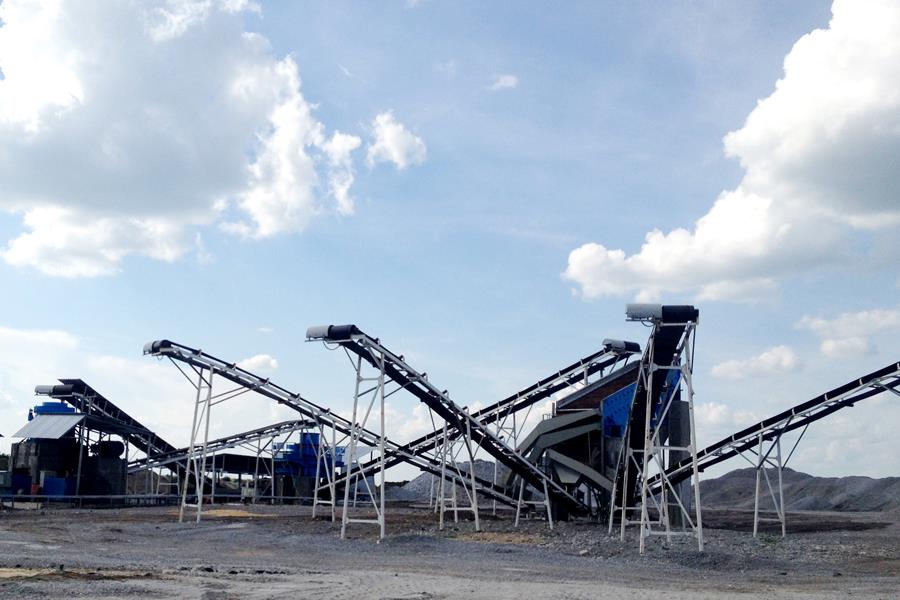
Fixed crushing plants are common for permanent mines, ore processing plants, and long-term aggregate production. They usually provide stable feeding, easier maintenance access, and better integration with screens, conveyors, and dust control systems.
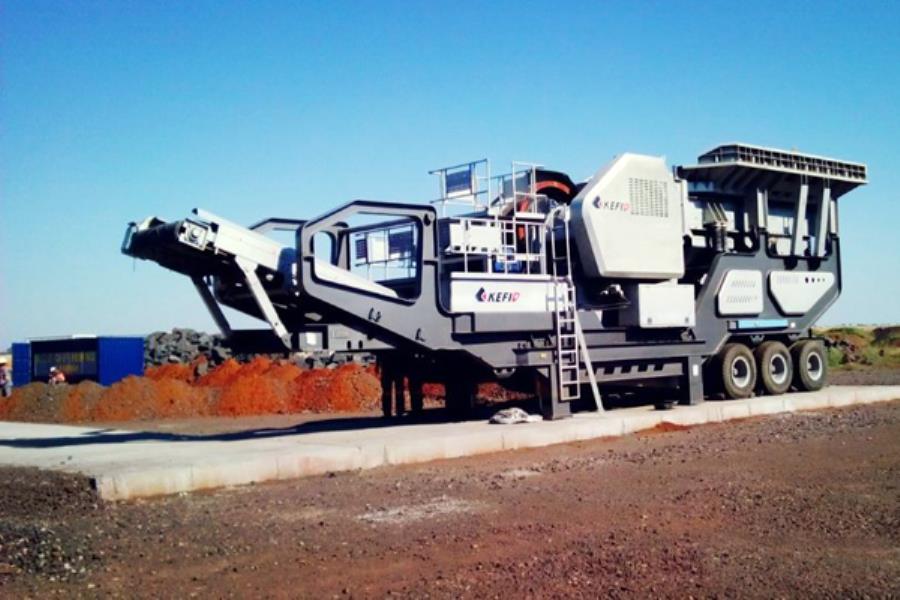
Mobile or modular crushing plants are useful for contractors who need to move between sites, process temporary stockpiles, or reduce haulage distance. They reduce foundation work and can be deployed faster, but they usually cost more than standalone fixed crushers and require careful planning for power, maintenance access, and wear-part supply.
Brazil site and logistics factors
For projects in Brazil, the machine price is only part of the total budget. Shipping, customs clearance, port handling, inland transport to Belo Horizonte, Belém, Porto Alegre, Salvador, remote mining sites, or riverine locations, foundation work, and installation support all affect the final landed cost.
Power supply is a key factor. Motor rating, voltage, starting method, cable size, control panel design, and generator backup must match local site conditions. In some Brazilian projects, unstable power supply may require a more robust electrical design or diesel generator support.
Dust control should also be considered, especially at feed points, discharge points, and transfer chutes. Dry crushing of hard gold ore can generate dust, so dust covers, spray systems, or enclosed transfer points may be needed depending on site requirements.
Wear parts and maintenance should be planned before commissioning. Jaw plates, toggle plates, cone liners, bearings, belts, lubrication parts, and screen panels should be available on site or through a reliable supply plan. A crusher that stops for weeks waiting for parts loses production and reduces the value of a low initial quotation.
How to get an accurate quotation
To receive a useful 800 tph gold ore crusher quotation, the supplier needs more than “800 tph.” The following information helps avoid an underbuilt or overbuilt solution:
Material type: gold ore, copper ore, iron ore, granite, basalt, limestone, or river pebble
Maximum feed size from excavation, dumping, or stockpile
Target product sizes and required capacity in tph
Fixed plant, mobile plant, or modular plant preference
Whether feeder, screen, conveyors, dust control, and control panel are included
Site power, water availability, and access road condition
Capacity, model selection, and price data are for reference only; please confirm current parameters with customer service.
OCP Mechanical Company is a Chinese direct manufacturer with more than 40 years of experience in crushing, screening, and sand washing equipment. We supply jaw crushers, cone crushers, impact crushers, VSI crushers, vibrating feeders, vibrating screens, mobile crushing plants, and complete gold ore processing lines. Because we manufacture directly, customers can discuss material samples, circuit layout, mobile configuration, and spare-part planning with the factory team.
If you need help understanding the price of an 800 tph gold ore jaw crusher or cone crusher in Brazil, send us your material type, feed size, target product sizes, required capacity, fixed or mobile preference, and site location. Our customer service team is online 24 hours a day. Click the website chat button to get free consultation, a preliminary quotation, and model selection advice.
Technical data, models, and prices are subject to change; final confirmation shall be made through customer service. Actual performance may vary depending on material characteristics, operating conditions, installation, and maintenance. Price information shown here is for reference only.
Related Showrooms
-
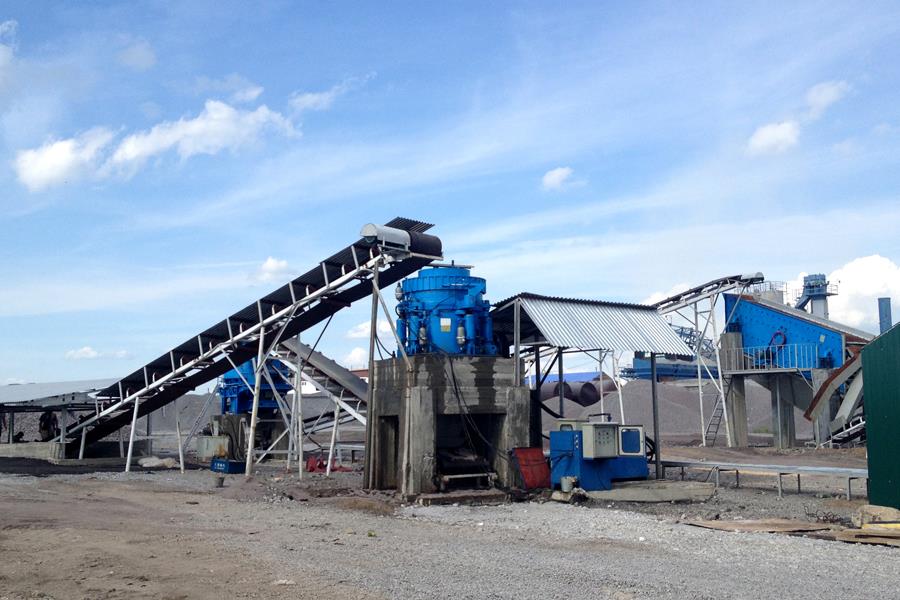
Ordering a 1000 tph Manganese Vibrating Screen in Uzbekistan
-
-
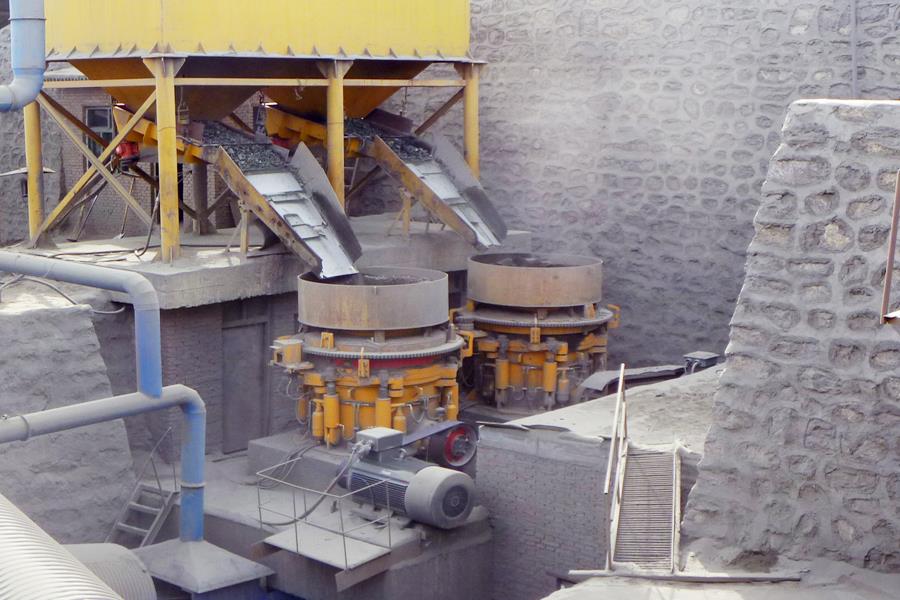
Coal Gangue Backfill Crushing Plant Supplier Nigeria: 4800m Pumping and Cubical Shape Control
-
Factory Direct 150 tph Copper Ore Cone Crusher Price in Ghana
-
Inquiry