
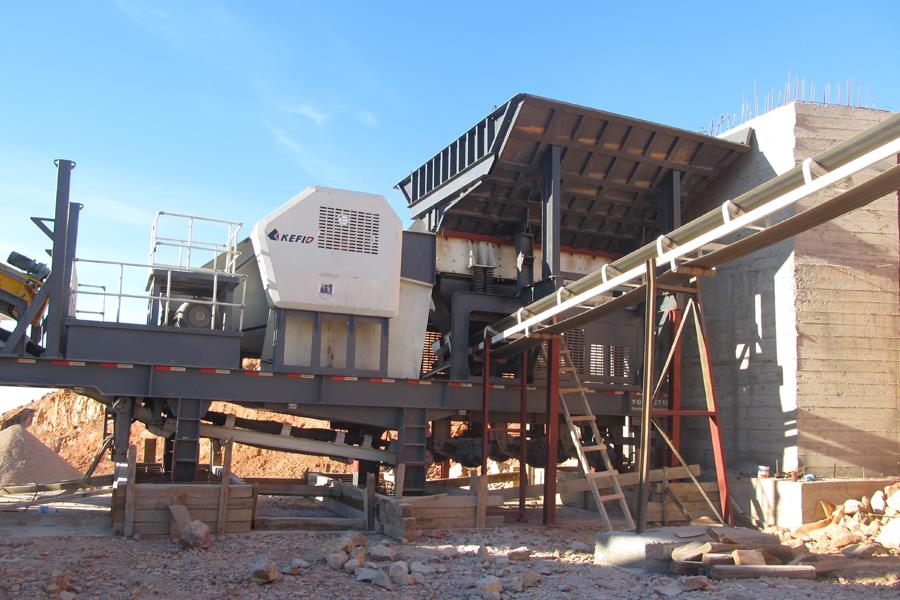
How to Select the Cavity Type for Multi-Cylinder Hydraulic Cone Crushers
With numerous models available, multi-cylinder hydraulic cone crushers can meet diverse production demands. For users of all scales—large, medium, or small—we provide suitable equipment that ensures both output capacity and crushing efficiency. Each model features distinct cavity configurations, so how should one choose the right cavity type? Selecting the correct cavity type is undoubtedly critical for sand and gravel production, as it not only enhances crushing efficiency but also improves product quality. So, how should one choose the cavity type for a multi-cylinder hydraulic cone crusher?
1. Based on Feed Particle Size and Abrasiveness
The tight-side feed opening of the crusher must not be smaller than the maximum feed particle size. The feed opening should neither be too large nor too small.
If the feed opening is too large:
Material primarily concentrates in the lower part of the crushing chamber, causing excessive wear on the lower liner plates and reducing their service life.
If the feed opening is too small:
① Material cannot enter the crushing chamber, severely reducing production capacity. The feed opening liner plates suffer intense wear or even destruction.
② It causes significant fluctuations in crushing force and adjustment ring vibration, damaging the frame seat gasket, accelerating wear on the locking cylinder seals, and compromising equipment stability.
2. Based on Product Shape and Size
Product particle size depends on whether the crushing process is open-circuit or closed-circuit.
Generally, the tight-side discharge opening of the crusher equals or is slightly larger than the required average product particle size. Each cavity type has a minimum discharge opening; avoid operating at this minimum when selecting a cavity configuration.
Relatively smaller crushing cavities allow for tighter discharge settings and better adjustment. Smaller cavities also facilitate superior particle shape. For optimal particle shape, short-head cavities yield the best results, followed by standard fine cavities. To ensure good particle shape, maintain a crushing ratio between 3 and 3.5.
Maximizing the value of a multi-cylinder hydraulic cone crusher requires a robust crushing system, proper cavity selection, and standardized operating procedures. Therefore, we recommend considering multiple factors during selection. For your convenience, you can directly consult OCP Heavy Industry's customer service online for free, where our team will provide one-on-one customized selection guidance!
-
-
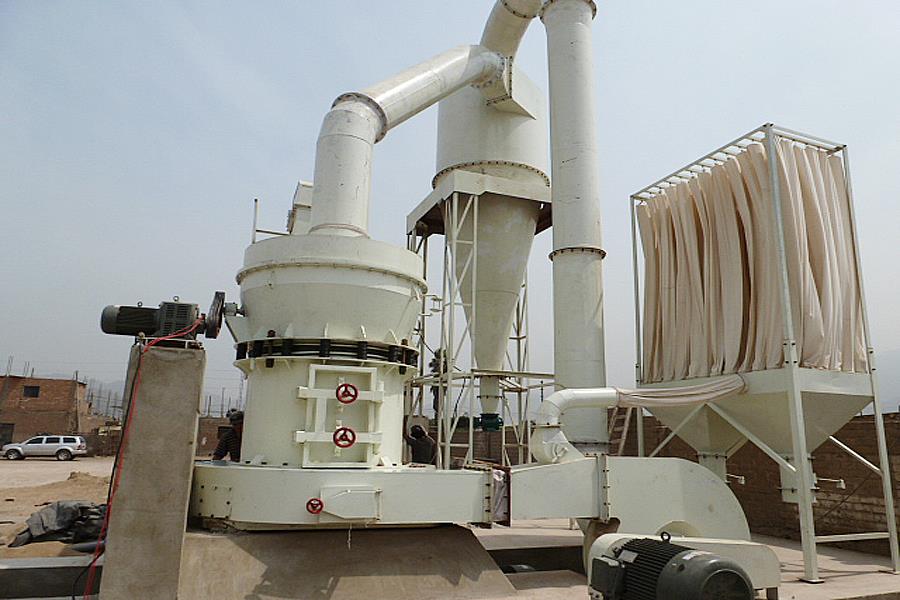
What are the advantages of using a hydraulic cone crusher for granite crushing
-
How to Select an Appropriate and Efficient Sand Making Machine for a Sand Production Line
-
-
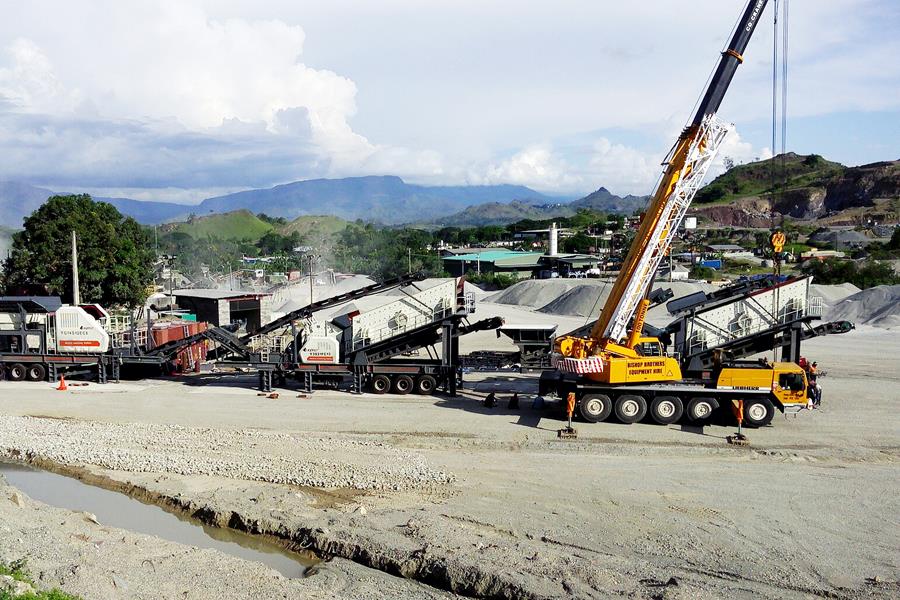
Which offers lower investment costs: mobile crushers or stationary crushers