
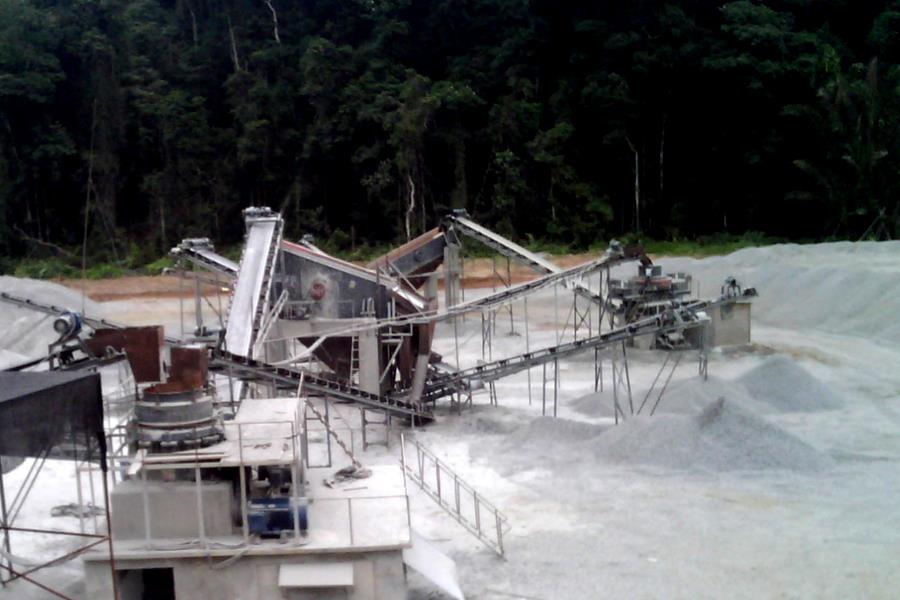
How to Select and Combine Cone Crushers and Impact Crushers
In sand and gravel crushing production lines, the entire crushing process can be divided into primary, secondary, and tertiary crushing based on the number of crushing stages. The number of crushing stages in a production line corresponds to the number of crushing processes. Typically, primary crushing is invariably handled by jaw crushers, while tertiary crushing is exclusively performed by sand makers. Only for secondary crushing can both cone crushers and impact crushers be used, each offering distinct advantages that often make selection challenging. Different types of secondary crushers possess unique performance characteristics. So, how should cone crushers and impact crushers be selected and combined?
Here, we analyze the factors influencing secondary crusher selection in detail:
1. Material Hardness
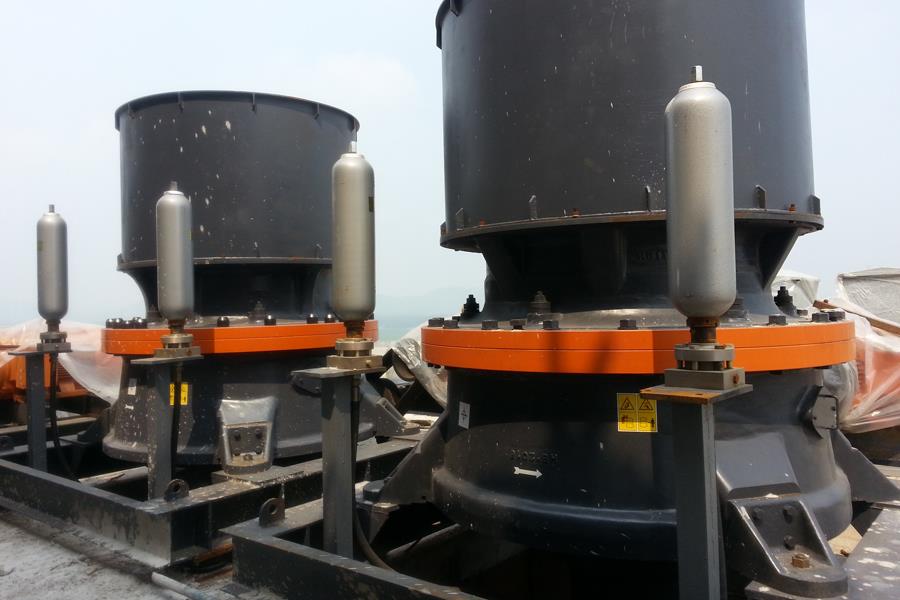
For crushing highly abrasive materials like granite, basalt, tuff, or river pebbles, cone crushers with high crushing ratios are recommended. They deliver superior crushing results and operational stability. For softer materials like limestone or dolomite, impact crushers are recommended. They combine crushing with shaping, producing well-formed output particles.
2. Production Capacity
Cone crushers offer a broader product range with faster technological updates, enabling automation. They accept feed sizes ≤400mm. with single-cylinder models reaching up to 2181 t/h, delivering exceptional efficiency. Impact crushers offer fewer model options, accept feed sizes ≤800mm, and have a narrower production range than cone crushers, peaking at 800 t/h. For applications demanding exceptionally high output, cone crushers are recommended.
3. Final Product Size
Cone crushers deliver superior overall crushing performance compared to impact crushers. In terms of output particle size, cone crushers produce finer material than impact crushers, capable of generating fine particles ranging from 3-13mm. Therefore, for customers requiring specific fineness in the final product, cone crushers are strongly recommended.
4. Market Pricing
Cone crushers offer a higher crushing ratio and broader material applicability; higher crushing efficiency, greater production capacity, fewer wear parts, and longer service life. Consequently, they are priced higher than impact crushers. Specific pricing for both models can be obtained directly from manufacturers. For customers prioritizing long-term value over initial purchase cost, cone crushers offer superior cost-effectiveness compared to impact crushers and are the recommended choice.
For over 40 years, OCP Mining Machinery has specialized in producing crushing equipment for various mineral materials. With extensive experience, mature technology, and quality proven through years of production practice, our equipment adapts to diverse complex operating environments. We adhere to factory-direct sales for affordable pricing and enjoy a strong reputation in the industry. If you need to purchase secondary crushing equipment, feel free to leave an online message or click the website customer service for a free consultation. We also welcome you to visit our factory anytime. Website customer service is available 24/7 for free consultation.
-
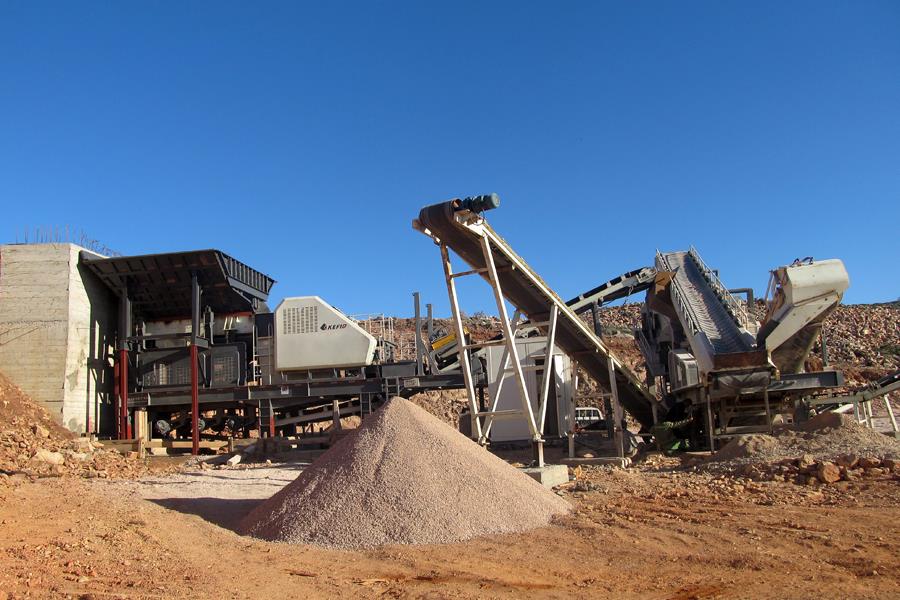
How to Optimize the Configuration of a Basalt Crushing Production Line
-
-
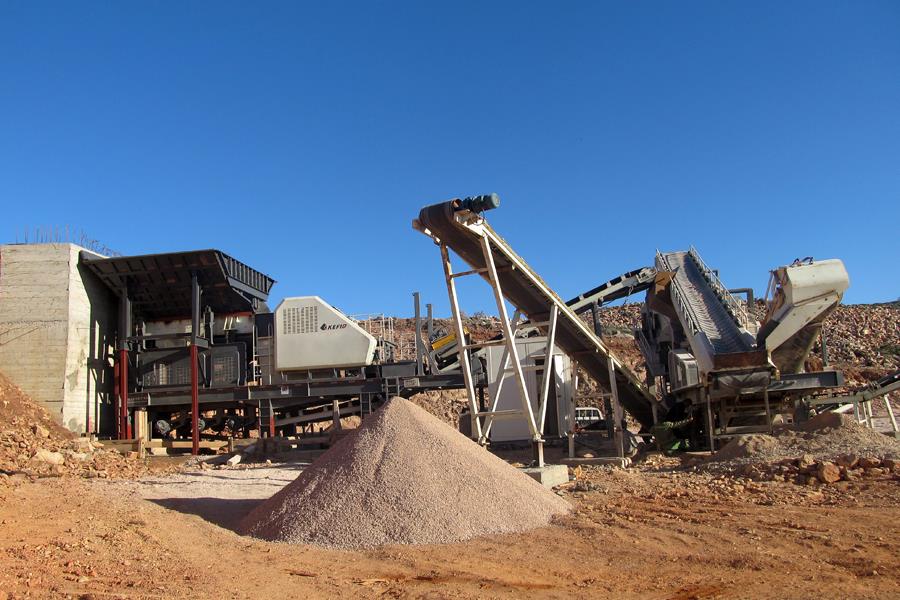
How much does a small-scale activated carbon crushing and sand-making production line cost
-
-
How much stone powder is produced per cubic meter of crushed stone