
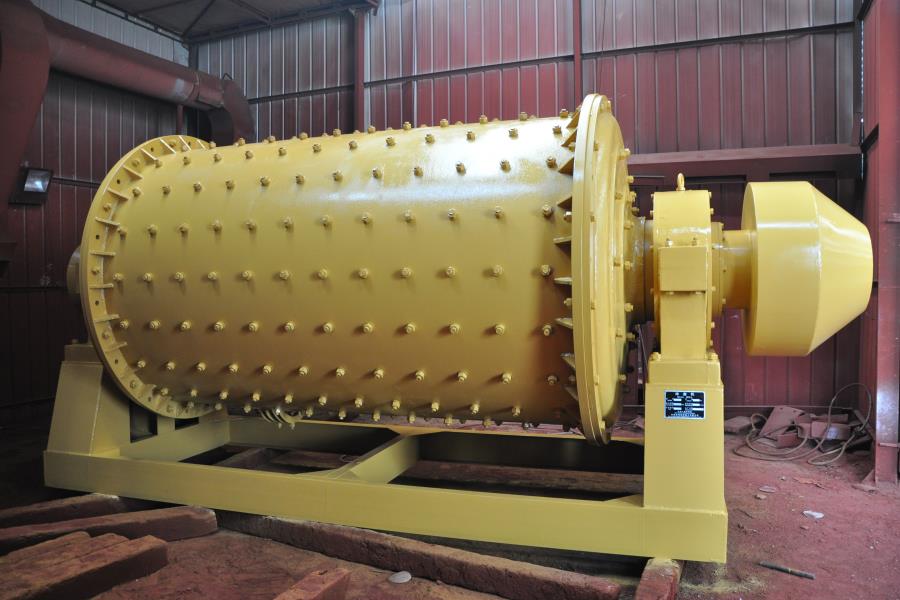
How to select a screen for dry screening of anhydrite 135 tph
For aggregate producers in Saudi Arabia processing anhydrite – a mineral commonly used in cement, plaster, and chemical applications – selecting the right vibrating screen for dry screening at 135 tph is essential to achieve precise particle size separation, maintain product quality, and control operating costs. Anhydrite is a moderately hard, non‑sticky material with a bulk density of approximately 1.28‑1.49 t/m³, making it well‑suited for dry screening with the proper equipment and media selection. Understanding how to select a screen for dry screening of anhydrite 135 tph ensures you invest in a unit that delivers consistent performance, low wear, and high availability in the Gulf region’s hot, dusty environment. OCP Mechanical Company, a factory‑direct manufacturer with over 40 years of experience, supplies Type S vibrating screens designed for industrial mineral applications, backed by local support and 24/7 online assistance.
Note: Product data are constantly updated; the latest specifications should be confirmed with our online customer service.
Understanding Anhydrite Properties for Screen Selection
Anhydrite has a Mohs hardness of 3‑3.5 and is not typically sticky or clay‑bearing, making it a good candidate for dry screening. Its bulk density of around 1.4 t/m³ is lower than that of denser ores like iron ore or barite, which affects screen capacity calculations. The material is free‑flowing when dry, but it can have a large angle of repose, which should be considered when designing feed chutes and hopper angles. For dry screening of anhydrite at 135 tph, the feed top size, desired cut sizes (e.g., 0‑5 mm, 5‑15 mm, 15‑30 mm), and product specifications will determine the screen size, number of decks, and media type.
Screen Type and Motion: Inclined vs. Horizontal
The first major decision in selecting a screen for dry screening of anhydrite 135 tph is the screen type. The two most common types for dry aggregate screening are inclined screens and horizontal screens.
Inclined screens are the most popular for aggregate applications. They are installed at an angle (typically 15‑25 degrees) and use gravity to help convey material down the deck. This reduces the energy required and is suitable for high‑capacity applications. For anhydrite, an inclined screen with a circular or elliptical motion is a practical choice for cut sizes above 5 mm. It provides good stratification and high throughput, making it ideal for 135 tph operation.
Horizontal screens run flat or with a slight downward slope. They rely entirely on vibration to move material and are often used for finer screening or when space is limited. However, they require higher G‑forces and more energy to achieve the same throughput as an inclined screen. For dry screening of anhydrite, an inclined screen is generally more cost‑effective and simpler to operate.
Determining Screen Size and Number of Decks
To select a screen for dry screening of anhydrite 135 tph, you need to calculate the required screen area. A practical rule of thumb for dry screening of free‑flowing material is approximately 0.8‑1.0 m² per tph per deck for fine screening (0‑5 mm) and 0.4‑0.6 m² for coarser screening. For a 135 tph feed with a 5 mm cut, you would need roughly 100‑130 m² of screening area for a single deck, which is not practical. Therefore, multiple decks are used.
A double‑deck screen (e.g., 2,000 x 6,000 mm = 12 m² per deck) provides 24 m² total screening area, which, at typical efficiencies, can handle 135 tph for medium to coarse screening. For producing three fractions (e.g., 0‑5 mm, 5‑15 mm, +15 mm), a double‑deck screen is a widely used choice. For four fractions, a triple‑deck screen may be needed. OCP’s engineers can perform a free screening analysis to recommend the optimal deck configuration based on your feed gradation and target products.
Selecting Screen Media for Dry Anhydrite
Screen media selection is critical when you select a screen for dry screening of anhydrite 135 tph. Anhydrite is moderately abrasive, and the right media balances wear life and cost:
Polyurethane panels – A widely used choice for dry anhydrite. They last 3‑5 times longer than woven wire (2,000‑4,000 hours vs. 500‑1,000 hours) and resist blinding from fine dust. Apertures can be square or slotted. Polyurethane panels cost $120‑$200 per m² but offer lower cost per ton in the long run.
Woven wire (spring steel) – More economical upfront ($25‑$45 per m²). Suitable for clean, dry anhydrite with low fines. Wire life is shorter, and blinding can occur if moisture is present.
Rubber panels – Not typically needed for dry anhydrite; better for wet or sticky materials.
For most Saudi anhydrite operations, polyurethane panels are the most cost‑effective choice due to the abrasive nature of the material and the harsh desert environment.
All price information in this article is for reference only; contact our team for a current, site‑specific quote.
Setting Optimal Slope, Stroke, and Speed
To achieve 135 tph with dry anhydrite, adjust the screen parameters as follows:
Slope – 18‑22° for double‑deck screens. For fine screening (0‑5 mm), use 18‑20° to increase retention time. For coarse screening (>15 mm), use 20‑22° for faster material movement.
Stroke – 6‑10 mm. A higher stroke (8‑10 mm) improves stratification but increases bearing wear. Start at 8 mm.
Speed – 850‑950 rpm for twin‑motor exciters. Use a variable frequency drive (VFD) to fine‑tune speed; lower speed reduces wear, higher speed increases throughput.
A well‑tuned screen can process 135 tph with less than 5% oversize in the undersize fraction and less than 10% undersize in the oversize fraction.
Dust Control and Maintenance
Dry anhydrite screening generates fine dust. When you select a screen for dry screening of anhydrite 135 tph, incorporate these practical measures:
Dust enclosures – Bolt‑on covers with gaskets reduce dust escape and help meet Saudi environmental standards.
Optional water sprays – Light mist can suppress dust without causing material to stick; use 1‑2 bar pressure and fine nozzles. For strictly dry product, a dust collector (bag filter) is an alternative.
Quick‑change panel system – Reduces downtime for media replacement from hours to minutes.
Keep a spare set of polyurethane panels for the fine deck (0‑5 mm) as it wears faster than coarse decks. Inspect screen panels weekly for wear or damage; replace when apertures enlarge by 20% or when panels show cracks.
How to Get the Right Screen for Your Anhydrite Operation
To apply how to select a screen for dry screening of anhydrite 135 tph, provide OCP’s engineers with your feed gradation, desired product sizes, and operating hours. We will recommend the screen size, deck configuration, and media type. OCP offers a free screening test on your anhydrite sample to verify capacity and efficiency. We also provide remote commissioning and operator training via video call. Our local warehouses in Jeddah and Dammam stock common polyurethane panels, vibrator motors, and springs for fast delivery.
Why OCP Is Your Trusted Screen Supplier for Anhydrite in Saudi
Understanding how to select a screen for dry screening of anhydrite 135 tph is only the first step – you also need a partner who delivers factory‑direct equipment and responsive support. OCP Mechanical Company has four decades of experience in screening equipment for Gulf hard rock and industrial minerals. Our 24/7 online team helps with slope adjustment, media selection, and troubleshooting. We invite you to request a no‑obligation quote and free screening test.
For a no‑obligation consultation on how to select a screen for dry screening of anhydrite 135 tph, simply click the live chat icon on this page. Our online customer service team is available 24 hours a day, 7 days a week, to provide free price quotes, equipment recommendations, and installation advice – helping you screen anhydrite more efficiently and profitably.
-
Get quotation for sand washing plant 65 tph for oil contaminated soil in Kuwait
-
-
Cost of mobile cone crusher for quartzite 155 tph in Tanzania
-
-
Price list of vibrating screen for aggregates 265 tph in Ras Al Khaimah UAE