How to reduce water usage in sand screw washer with hydrocyclone – A practical guide for Saudi aggregate producers
Why reducing water usage in sand screw washer with hydrocyclone is essential for Saudi operations
Saudi Arabia's construction sector is booming under Vision 2030, with mega‑projects driving unprecedented demand for aggregates and manufactured sand. Yet water scarcity remains one of the Kingdom's most pressing challenges. Traditional sand screw washers are notoriously water‑intensive: a standard sand screw requires approximately 12.5 cubic metres of water per hour for every tonne of minus 75 micron material processed. For a typical operation, this can translate to hundreds of cubic metres of water per hour – a cost that is both financially and environmentally unsustainable in the desert climate. Understanding how to reduce water usage in sand screw washer with hydrocyclone is therefore not just an operational improvement; it is a strategic necessity for Saudi aggregate producers. At OCP Mechanical Company, with over 40 years of manufacturing expertise, we engineer integrated washing solutions that combine sand screws with hydrocyclone technology to dramatically cut water consumption, recover valuable fines, and ensure compliance with the Kingdom's environmental standards.
How hydrocyclone technology reduces water usage in sand washing
The core principle behind how to reduce water usage in sand screw washer with hydrocyclone lies in the hydrocyclone's ability to separate fines from the wash water and return clean water to the system. In a conventional sand screw washer, water is used to carry away silt, clay, and ultrafine particles. This water, now laden with solids, is typically discharged as waste, requiring continuous makeup water. A hydrocyclone, however, uses centrifugal force to separate the solids from the liquid. The underflow, containing the recovered fines (often 50‑150 microns), can be dewatered and blended with the final sand product, while the overflow – now clarified water – is returned to the screw washer for reuse. This closed‑loop recirculation system can reduce fresh water intake by up to 80 per cent, based on our field data from similar installations. When you implement how to reduce water usage in sand screw washer with hydrocyclone, you not only cut water costs but also recover valuable material that would otherwise be lost to the settling pond, improving your overall yield and profitability.
Designing an integrated sand screw and hydrocyclone system
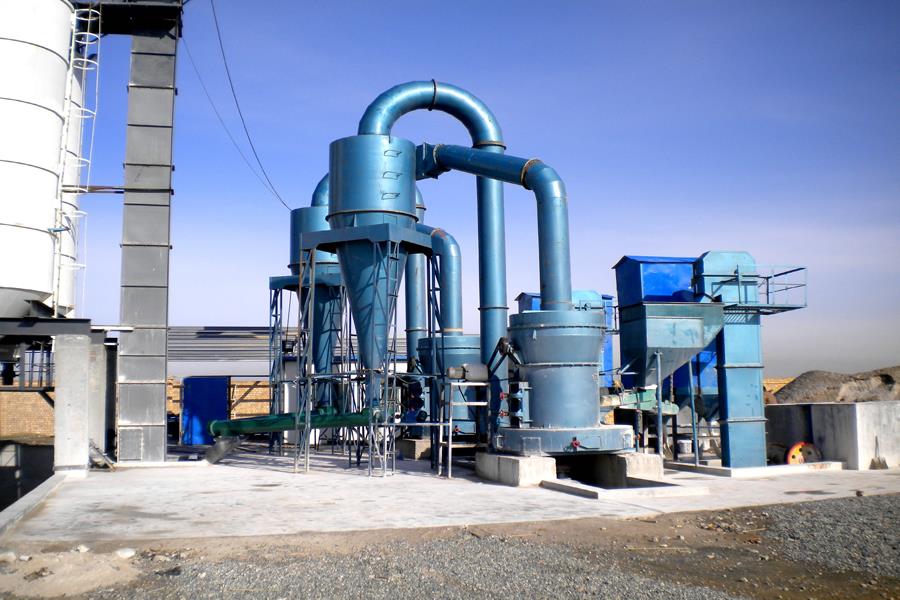
To effectively apply how to reduce water usage in sand screw washer with hydrocyclone, the system must be carefully designed. The hydrocyclone is typically installed after the sand screw's overflow discharge. The slurry from the screw's weir – which contains water and fines – is pumped to the hydrocyclone at a controlled pressure (usually 10‑25 psi). The hydrocyclone's diameter and cone angle determine the cut point; for sand applications, a cyclone of 10‑20 inches with a cut point of 50‑75 microns is common. The underflow, which is a dewatered fines stream, is discharged onto a dewatering screen or directly onto the sand product conveyor. The overflow, which is clarified water, flows back to the screw washer's feed box or water tank. Our Type W sand washing plant is designed with an integrated hydrocyclone cluster, a variable speed pump, and a water management system that maximises recirculation. All product specifications are continuously updated; for the latest parameters, please consult our online customer service. When you implement how to reduce water usage in sand screw washer with hydrocyclone, we also recommend installing a water meter to monitor makeup water and track the savings achieved.
Benefits beyond water savings – fines recovery and product quality
While the primary goal is how to reduce water usage in sand screw washer with hydrocyclone, the benefits extend well beyond water conservation. The hydrocyclone captures fines that would otherwise be lost, typically recovering 70‑90 per cent of the material below 75 microns. This recovered fines material can be blended back into the sand product, increasing your saleable tonnage and reducing waste. In many Saudi operations, this recovered fraction can add 5‑10 per cent to the overall production volume, significantly boosting revenue. Additionally, by removing the ultrafine particles from the wash water, the hydrocyclone reduces the solids loading on the settling pond or thickener, prolonging their service life and reducing the frequency of pond cleaning. The water returned to the screw is also cleaner, which improves the washing efficiency of the screw itself, as the recirculated water carries fewer solids. When you master how to reduce water usage in sand screw washer with hydrocyclone, you achieve a triple win: lower water bills, higher sand yield, and a more sustainable operation that aligns with Saudi Arabia's environmental goals.
Saudi-specific considerations – climate, water quality, and regulations
Saudi Arabia's harsh desert climate, with temperatures exceeding 45°C and very low rainfall, means that water is an extremely precious resource. The use of hydrocyclones to reduce water consumption is not just an economic decision; it is an environmental imperative. The Saudi government has implemented strict water management regulations, and industrial facilities are increasingly required to demonstrate water efficiency. When you apply how to reduce water usage in sand screw washer with hydrocyclone, you are proactively addressing these regulatory requirements. Additionally, the quality of makeup water in Saudi Arabia can vary, with some sources having high total dissolved solids (TDS) that can cause scaling and corrosion. Our Type W system includes water treatment options, including pH adjustment and scale inhibitors, to protect the equipment and ensure reliable operation. The hydrocyclone itself is made from wear‑resistant polyurethane or ceramic materials that can handle abrasive slurries and high temperatures. We also offer a cooling system for the recirculated water, as the closed‑loop system can cause water temperatures to rise, which may affect washing efficiency.
Cost analysis – investment, savings, and payback period
The investment in a hydrocyclone‑based water recirculation system typically ranges from $25,000 to $55,000 for a 45‑75 TPH sand screw upgrade, depending on the cyclone size, pump, and piping. This price is for reference only – final quotations depend on your specific configuration and site conditions. The payback period is often remarkably short, especially in Saudi Arabia where water costs are rising. Based on our internal analysis, an operation processing 45 TPH of sand can save approximately 30‑40 cubic metres of water per hour. With industrial water tariffs in Saudi Arabia ranging from SAR 5 to 15 per cubic metre (depending on source), the annual savings can exceed SAR 100,000 (approximately USD 27,000). The recovered fines add further value – at a selling price of SAR 30‑50 per tonne, recovering an additional 3‑5 tonnes per hour can yield significant extra revenue. When you factor in the reduced need for settling pond maintenance and the extended life of the screw's wear parts, the total return on investment for how to reduce water usage in sand screw washer with hydrocyclone is typically achieved within 6‑12 months. We provide a comprehensive cost‑benefit analysis with every proposal, helping you make a data‑driven decision.
Sample parameter table for Type W hydrocyclone system (For reference only)
The table below provides indicative specifications for our Type W hydrocyclone system integrated with a sand screw washer. Actual values depend on feed characteristics and desired cut point; please request the latest data from our customer service, as all parameters are continuously updated.
| Parameter | Value (approximate) |
|---|---|
| Model | Type W |
| Hydrocyclone diameter | 10‑20 in (250‑500 mm) |
| Cut point (D50) | 50‑75 microns |
| Feed pressure | 10‑25 psi (0.7‑1.7 bar) |
| Water recirculation rate | 70‑85% |
| Underflow density | 65‑75% solids by weight |
| Pump motor power | 15‑30 kW |
| Material | Polyurethane / ceramic lined |
| Typical water saving vs. conventional | 60‑80% |
This table is for illustrative purposes only. For precise engineering data and process guarantees, please consult our technical team with your specific feed material.
Maintenance and operational best practices
To maintain the benefits of how to reduce water usage in sand screw washer with hydrocyclone, regular maintenance is essential. The hydrocyclone's apex (the bottom opening) and vortex finder (the top opening) should be inspected weekly for wear; these components are the most critical for separation efficiency. A worn apex can lead to a wetter underflow and reduced fines recovery, while a worn vortex finder can cause a coarser cut point. The feed pump should be monitored for pressure fluctuations, and the piping should be checked for blockages, especially if the slurry contains high clay content. We recommend using a variable speed drive on the pump to maintain constant pressure as the cyclone's feed conditions change. The sand screw itself also benefits from the cleaner recirculated water, as it reduces the build‑up of clay on the screw flights. Our maintenance manual provides a detailed schedule, and we offer on‑site training for your operators. When you master how to reduce water usage in sand screw washer with hydrocyclone, consistent maintenance ensures long‑term performance and savings.
Why OCP Mechanical is your trusted partner for sustainable sand washing in Saudi Arabia
With over 40 years of manufacturing experience, OCP Mechanical combines engineering excellence with a deep understanding of the Saudi market. We are a factory‑direct supplier, offering competitive pricing and customised solutions. Our Type W sand washing system is designed for the region's harsh conditions, with robust components and a proven track record of performance. We provide comprehensive after‑sales support, including spare parts availability, remote diagnostics, and on‑site service. Our local service network ensures rapid response to any technical issues. When you seek to implement how to reduce water usage in sand screw washer with hydrocyclone, we are your ideal partner, offering not just equipment but a complete water management solution that enhances your sustainability and profitability.
Conclusion – Contact OCP Mechanical today to reduce your water usage and boost efficiency
In Saudi Arabia's arid environment, every drop of water counts. By integrating a hydrocyclone with your sand screw washer, you can dramatically reduce water consumption, recover valuable fines, and improve your bottom line. OCP Mechanical offers the expertise, equipment, and factory‑direct pricing you need to implement this proven technology. Our online customer service team is available 24/7 to discuss your operation and provide a customised quote for how to reduce water usage in sand screw washer with hydrocyclone. Click the chat button now – let us help you build a more sustainable and profitable sand washing operation in Saudi Arabia.