
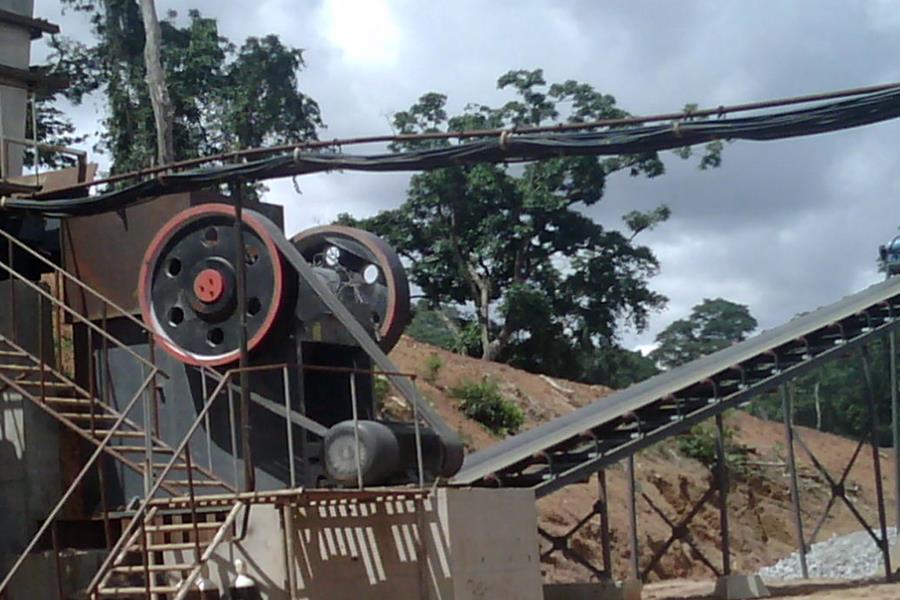
How to Reduce Sand Production Line Dust in Australia
For Australian quarry operators, managing dust is not only an environmental obligation but also a productivity issue. How to reduce sand production line dust in Australia involves a combination of engineering controls, operational practices, and dust collection systems. With strict EPA regulations (e.g., 50 µg/m³ PM10 in residential areas), effective dust suppression is essential. Below we outline practical methods and how OCP Mechanical Company helps you achieve compliance without sacrificing output.
1. Identify Key Dust Generation Points
Understanding how to reduce sand production line dust in Australia starts with locating the sources. The main dust points are:
Crusher feed and discharge (jaw, cone, VSI)
Screen decks (especially dry screening of fine sand)
Transfer chutes and conveyor drop points
Stockpile filling and reclaiming
Each point releases fine particulate matter (PM10 and PM2.5) that can drift off‑site. A systematic approach targets the highest‑emission areas first.
OCP offers a dust control audit service to identify your line’s specific hotspots. Note: Product data are constantly updated; for the latest specifications of dust control equipment, please contact our online customer service.
Typical solutions for how to reduce sand production line dust in Australia (for illustration only; actual data subject to continuous improvement):
| Dust Source | Recommended Control |
|---|---|
| Jaw crusher feed | Water spray bars + enclosed hopper |
| Cone crusher discharge | Bag filter (dry) or spray mist (wet) |
| VSI outlet | Enclosed chute + vacuum extraction |
| Screen decks | Polyurethane covers + water spray (or dry fog) |
| Transfer points | Rubber skirts + central dust collector |
The above values are for illustration only. OCP continuously improves its products. Contact our online team for the most current data sheet.
Many Australian quarries in NSW, Queensland, and WA have reduced visible dust by 70‑90% by addressing these key points systematically.
2. Choose Between Wet and Dry Suppression
A critical decision in how to reduce sand production line dust in Australia is whether to use water sprays (wet) or bag filters (dry). Each has advantages:
Wet suppression (water sprays) – Lower capital cost, easy to install. Effective at crusher feeds and screens. However, adding water increases product moisture (can cause handling issues in screens and stockpiles). Water usage may be restricted in drought‑prone areas.
Dry collection (bag filters) – Higher upfront cost but removes dust without adding moisture. Captured dust can be sold as filler or safely disposed. Better for fine sand (0‑1 mm) where water causes blinding.
For most Australian sand lines, a hybrid approach works well: water sprays at primary crushing and dry filters at the VSI and final screening stages.
OCP’s Type D dust system includes modular bag filters with pulse‑jet cleaning. Many operators find that filter bag life exceeds 2,000 hours in dry, hard rock applications. Actual performance depends on dust loading – please ask our engineers for a site‑specific design.
To optimize how to reduce sand production line dust in Australia, we recommend:
Using low‑pressure, high‑volume water nozzles (0.5‑1 bar) to create fine mist, not flooding.
Installing wind fences around stockpiles to prevent dust lift‑off.
Scheduling weekly filter bag inspections and nozzle cleaning.
As a direct‑selling manufacturer, OCP provides factory pricing on dust collectors and spray systems, with delivery to major Australian ports (Fremantle, Brisbane, Sydney) within 20‑25 days.
3. Operational Practices That Make a Difference
Beyond equipment, how to reduce sand production line dust in Australia involves daily habits:
Maintain choke‑fed crushers – Reduces dust generation by keeping material beds intact.
Minimize drop heights – Install stepped chutes or rock boxes at transfer points.
Pave haul roads – Apply water or dust suppressant on unpaved surfaces.
Train operators – Shut down conveyors before screens to avoid empty running.
OCP’s technical team can provide a site‑specific dust management plan. Many Australian quarries have achieved EPA compliance and reduced water use by 30‑50% after implementing these practices.
Note: Actual emission levels depend on local conditions and enforcement. We recommend baseline testing before and after implementing controls.
For a no‑obligation quotation and a customized solution on how to reduce sand production line dust in Australia, simply click the live chat icon on this page. Our online customer service team is available 24 hours a day, 7 days a week, to answer your technical questions, provide free advice on dust control, and help you operate a cleaner, compliant sand production line.
-
-
-
-
After Sales Service for Manufactured Sand Production Line in Ghana
-
24/7 Online Support for 500 tph Aggregate and Sand Plant in Canada