
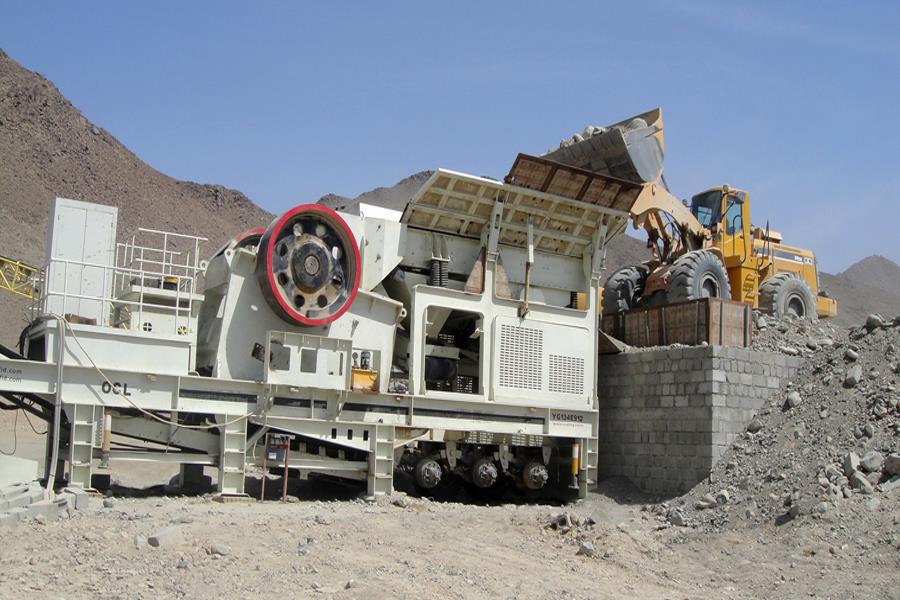
How to Reduce Recirculating Load in a 200 TPH 3-Stage Crushing Circuit
Why Recirculating Load Matters for Brazilian Aggregate Operations
Brazil‘s aggregates industry is expanding steadily, with the mineral processing equipment market projected to grow at a CAGR of 2.5% through 2032 and the broader mining machinery market at 5.9% during the same period. For quarry operators running a 200 TPH three-stage crushing circuit—typically a primary jaw crusher, secondary cone crusher, and tertiary cone crusher in closed circuit—recirculating load is one of the most persistent and costly operational challenges. In a closed-circuit crushing system, material that fails to meet size specifications is returned to the crusher via a return conveyor for further crushing. A moderate recirculating load helps ensure uniform product size and prevents oversized rock from passing to downstream processes. However, excessive recirculating load occurs when material that already meets size specifications is mistakenly returned to the crusher. This unnecessarily occupies volume within the crushing chamber, leads to over-crushing of already acceptable material, and impairs screening efficiency for new feed material. Circuits with high recirculating loads consume more crusher capacity and horsepower while also increasing wear—and unnecessary recirculating loads send saleable material back to the crusher rather than to the finished product stockpile. For a 200 TPH operation in Brazil, reducing recirculating load is one of the highest-impact optimisation opportunities available.
Understanding the Root Causes of Excessive Recirculating Load
Before implementing solutions, operators must diagnose the specific causes of high recirculating load in their circuit. There are two main reasons for an excessively high recirculating load: first, the crusher discharge is too coarse; and second, the screening equipment fails to promptly separate out material that meets specifications. Additional factors include changes in feed characteristics—such as moisture content, clay content, or particle size distribution—which can further exacerbate system instability. In a three-stage circuit, the tertiary crusher is often the source of the problem. The tertiary stage operates with the finest closed-side setting and is most sensitive to liner wear, feed distribution, and cavity condition. When the tertiary crusher discharges material that is coarser than target, more material is returned to the circuit, creating a compounding effect: the crusher works harder, the screen receives more recirculated material, and overall plant throughput declines. Brazilian basalt and granite operations, which process hard, abrasive rock, are particularly susceptible to this cycle because liner wear rates are higher and the window for maintaining optimal CSS is narrower.
Optimising Crusher Settings and Cavity Configuration
The most direct lever for reducing recirculating load is optimising the tertiary crusher‘s closed-side setting and cavity configuration. A tight CSS increases the proportion of finished material produced in a single pass, reducing the volume of oversize returned to the circuit. However, this must be balanced against throughput and liner wear. Field data from a RiverStone Group quarry in the United States demonstrates the achievable results: after installing a new tertiary cone crusher with a one-inch closed-side setting, the crusher processed finished product with a productivity of 78%; at a half-inch setting, the percentage of finished product rose to 83%. The operation reported averaging 80% of crushed material going directly to the finished product stockpile, with minimal recirculating load. Critically, cavity selection also plays a decisive role. Finer chamber profiles restrict feed openings but increase single-pass reduction ratios, while coarse profiles maximise throughput but may require extensive closed-circuit recirculation. Selecting a chamber profile capable of hitting your reduction ratio targets in a single pass is essential for minimising recirculating loads. For Brazilian operations, matching the cavity to the specific rock hardness and feed gradation—rather than defaulting to a standard configuration—can deliver immediate improvements in circuit efficiency.
Improving Screening Efficiency to Reduce Recirculation
Screening efficiency is the second major factor influencing recirculating load, and it is often overlooked. If the vibrating screen fails to promptly separate material that meets specifications, that saleable material is returned to the crusher, increasing load and reducing plant output. Sampling the oversize material conveyor is a crucial diagnostic step: if the recirculated material contains more than 15–20% of acceptable, undersize material, simply optimising screening efficiency can immediately reduce the recirculation load without requiring crusher modifications. Common screening bottlenecks include excessive material bed depth, where an excessive feed rate prevents fine material from making contact with the screen surface; screen blinding and pegging, where near-size particles become wedged in the apertures or wet, sticky fines adhere to the screen mesh; and uneven material distribution, where material shifts to one side of the screen surface, causing the effective screening area on the other side to go to waste. High-vibration wire screens allow wires to vibrate independently at a high frequency of 6,000 to 10,000 strokes per minute for faster material stratification, which reduces both material recirculation and wear on the crushers. For a 200 TPH circuit in Brazil, ensuring the screen deck is correctly tensioned, the media is appropriate for the material, and the feed is evenly distributed across the full width can deliver measurable reductions in recirculating load with minimal capital investment.
The Role of Liner Wear and Adaptive Control
Liner wear is a silent driver of escalating recirculating load. Enlargement of the discharge opening induced by wear of liners produces a drift in product size which, if unchecked, can lead to high volumes of recirculating load. In a three-stage circuit, the tertiary crusher‘s liners wear fastest because they operate at the finest setting and highest reduction ratio. As liners wear, the effective CSS increases, product size coarsens, and more material is returned to the crusher. Research has shown that poor control over system parameters and drift in crusher setting due to liner wear can cause considerable inconsistency in product quality, while the benefits of proper automation—improved crusher efficiency, enhanced quality, and reduced recirculating load—can result in estimated savings of around 10%. Modern cone crushers equipped with hydraulic adjustment and automation systems enable operators to compensate for liner wear in real time, maintaining consistent CSS and product size without extended downtime. For Brazilian operations processing hard basalt or granite, investing in automated CSS control is one of the most effective long-term strategies for keeping recirculating load under control.
Advanced Solutions: HPGR and High-Reduction Concave Technology
For operations seeking a step-change in circuit efficiency, advanced comminution technologies offer significant potential. High Pressure Grinding Rolls (HPGR) have demonstrated the ability to reduce circulating load by up to 24% while improving energy efficiency by up to 15%. In a Brazilian case study, Ciplan—a major cement and concrete producer in the Federal District—replaced conventional VSI crushers with Metso‘s HRC HPGR technology and achieved remarkable results: sand production surged by approximately 60 tons per hour, energy consumption dropped from 11 kWh per ton to just 3.8 kWh per ton, and fine material generation fell from around 20% to just 8%. The company was able to retire three high-maintenance hammer mills, reducing downtime and operating costs. High-reduction concave designs for cone crushers represent another targeted solution. These designs increase pressure in the crushing chamber, offering up to 10% more final product compared to conventional designs and up to 19% less recirculating load, specifically in tertiary or final crushing stages where the chamber is designed for finer applications.
Operational Discipline and System Thinking
Ultimately, reducing recirculating load in a 200 TPH three-stage crushing circuit requires treating the crusher, vibrating screen, and return belt conveyor as a unified system rather than as individual machines. Operators should establish a routine diagnostic programme that includes regular sampling of the oversize conveyor to measure the percentage of undersize material in the recirculating stream, monitoring of crusher CSS and liner wear, and evaluation of screen media condition and aperture integrity. Feed rate control is equally important: overfeeding the tertiary crusher causes chamber overloading, coarser discharge, and higher recirculating load, while underfeeding reduces efficiency and increases wear on individual components. A variable-frequency drive on the feeder allows precise adjustment to match crusher load, optimising throughput and energy consumption. For Brazilian quarry operators, these operational disciplines—combined with the right equipment configuration—can transform a struggling circuit into a consistently efficient operation.
OCP Mechanical Company: Factory-Direct Crushing Solutions for Brazilian Operations
With over 40 years of manufacturing experience and exports to more than 180 countries and regions worldwide, OCP Mechanical Company brings proven expertise to Brazil‘s expanding aggregates sector. Our product range includes jaw crushers, cone crushers, impact crushers, VSI crushers, vibrating screens, feeders, and complete crushing and screening plants—all brand-new and built to rigorous quality standards. Our cone crushers feature hydraulic adjustment systems that enable precise CSS control and compensation for liner wear, while our vibrating screens are available in single, double, and triple-deck configurations with high-efficiency media options that maximise screening efficiency and minimise blinding. Our engineering team works closely with each customer to design custom crushing plants that match specific site conditions, feed characteristics, and production targets, ensuring that every component—crusher, screen, and conveyor—is matched to the others to prevent bottlenecks and minimise recirculating load. As a direct factory manufacturer, we eliminate distributor margins, passing the savings directly to you. All price information provided is for reference only; final quotes depend on equipment configuration, shipping terms, optional features, and current exchange rates. Product specifications are continuously updated; please consult our online customer service for the latest technical parameters tailored to your application.
Your Next Step: Get a Custom Quote for Your Crushing Circuit
Reducing recirculating load in a 200 TPH three-stage crushing circuit is achievable through a combination of optimised crusher settings, improved screening efficiency, proactive liner management, and—where justified—investment in advanced comminution technology. For Brazilian operators seeking a reliable, cost-effective equipment partner, OCP Mechanical Company offers factory-direct crushing and screening solutions engineered for durability, efficiency, and low total cost of ownership. Our online customer service is available 24 hours a day, seven days a week, to provide free consultations, updated price references, and equipment selection guidance. Click the chat button now to discuss your project with a specialist—we are ready to help you build a more efficient and profitable processing operation.
-
170 TPH Andesite Mobile Crushing Plant for Sale in Arequipa Peru
-
100 TPH Quartz Sand Screw Classifier Investment in Ahmedabad India
-
Which Mobile Crusher Is Best for Oil Sands 130 TPH in Alberta Canada
-
Sandvik Future of Mining 2026 Showcases AI and Digital Twin for Surface Operations
-
Metso Launches Next-Generation HPe Cone Crushers and All-Electric Lokotrack LT220D



