How to Reduce Recirculating Load in 3-Stage Crushing Circuit
The Hidden Cost of Excessive Recirculation
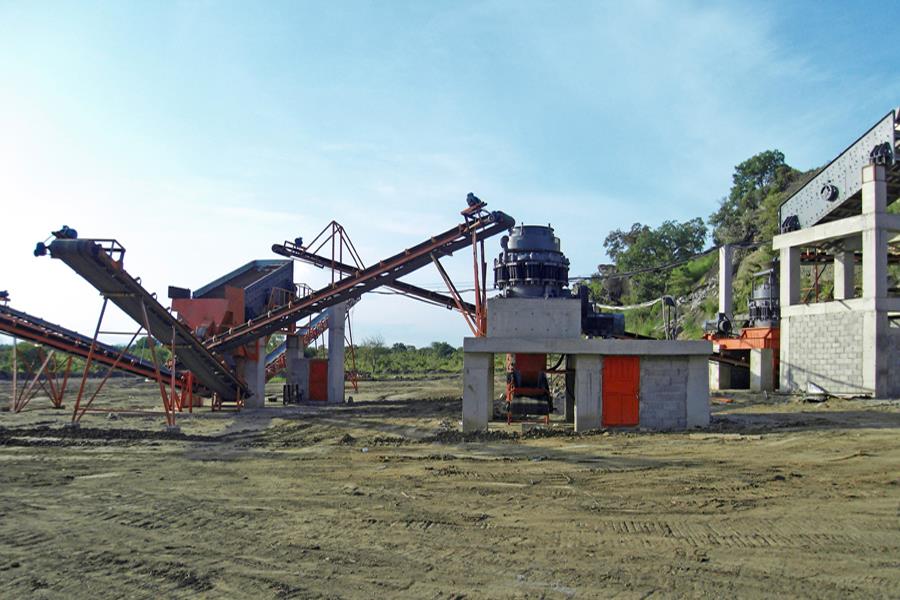
In any three-stage crushing circuit, material that passes through the crushers multiple times without meeting product specifications represents wasted energy, accelerated wear, and reduced plant capacity. High recirculating loads are one of the most common efficiency killers in mineral processing, yet many operators accept them as inevitable. Reducing the recirculating load in a 3-stage crushing circuit not only boosts throughput but also lowers power consumption per tonne and extends the life of crusher liners and screen media. For Brazilian operations processing iron ore, granite, or other hard rocks, this issue is particularly acute due to variable moisture and feed characteristics. This article provides practical, field-tested strategies to bring circulating loads under control, improving your bottom line without major capital expenditure.
What Is Recirculating Load and Why Does It Matter?
Recirculating load is the material that returns to a crusher after passing through a screening stage, typically because it is too coarse for the next process step. Expressed as a percentage of fresh feed, a typical target for a well-tuned 3-stage circuit is between 100% and 200%, but many plants run far higher—sometimes exceeding 300%. Every extra pass through the crusher adds crushing cost, increases fines generation, and places unnecessary stress on downstream equipment. When you learn how to reduce recirculating load in 3-stage crushing circuit, you directly improve overall plant efficiency, reduce energy bills, and increase the availability of your crushing equipment for productive work.
Common Causes of High Recirculating Load
Before applying fixes, identify the root sources. The main culprits include:
Inefficient screening – worn or incorrectly sized screens allow oversize material to pass through, sending it back to the crusher.
Imbalanced reduction ratios – if one stage does too much work, its product becomes finer, but the downstream screen may not separate effectively.
Feed variability – changes in feed gradation or moisture alter screen performance and crusher output.
Incorrect crusher settings – a closed-side setting that is too tight creates excess fines but also increases recirculation if the screen cannot handle the fines load.
A systematic audit of these factors is the first step toward effective reduction.
Strategy 1: Optimize Screen Efficiency and Aperture Selection
Screens are the gatekeepers of any crushing circuit. Upgrading screen media to match your target product size can dramatically cut recirculation.
Choose screen panels with the right opening shape and size for your ore type.
Consider high-frequency screens or flip-flow screens for sticky or moist Brazilian ores, which tend to blind standard woven wire.
Regularly inspect and replace worn panels—a 5% drop in screening efficiency can increase recirculating load by 10–15%.
Proper screen angle and feed distribution also matter. Ensure material spreads evenly across the full screen width to maximize utilisation.
Strategy 2: Balance Reduction Ratios Across Stages
A well-designed 3-stage circuit distributes the total reduction evenly. For example, if your overall reduction is 20:1, aim for roughly 3–4:1 in the primary, 2.5–3:1 in the secondary, and 2–2.5:1 in the tertiary. When one stage takes too large a share, it produces a wider particle size range, making screening less selective and increasing recirculation. Adjust crusher closed-side settings or rotor speeds to achieve balanced loads. Monitoring the power draw of each crusher helps you see where the bottleneck lies—an overworked stage will consume disproportionately high power and generate more oversize.
Strategy 3: Install Pre-Screening Before Primary Crushing
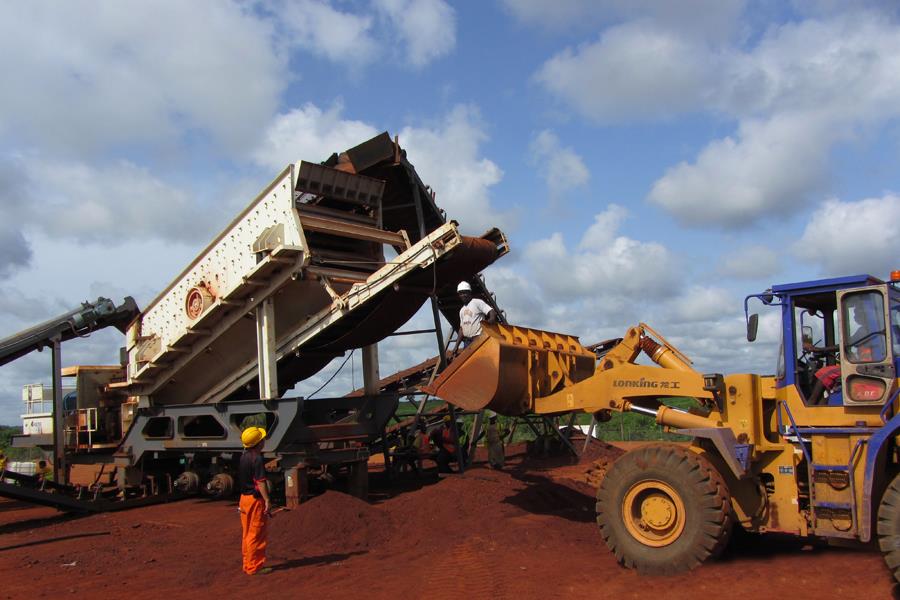
Removing fines before they enter the primary crusher reduces the overall recirculating load in your 3-stage circuit. Pre-screening with a grizzly or vibrating screen ahead of the primary crusher scalps out material already below your final product size, preventing it from travelling through unnecessary crushing stages. In Brazilian operations where run-of-mine ore often contains significant clay or wet fines, this step also reduces moisture-related clogging in primary crushers. Consider a modular pre-screening unit that can be easily added to existing plants with minimal disruption.
Strategy 4: Control Feed Gradation and Moisture
Moisture is a major challenge in tropical climates like Brazil. High moisture causes fine particles to agglomerate, blinding screens and altering crusher performance.
Manage stockpiles to allow natural drying where possible.
Use water spray systems judiciously—excess water may help dust control but worsens screen blinding if not properly drained.
Select anti-blinding screen media such as polyurethane or rubber panels, which shed sticky material more effectively than steel wire.
By stabilising feed moisture, you make screening more predictable, directly reducing the recirculating load.
Strategy 5: Use Appropriate Crusher Types for Each Stage
Not all crushers are equal for every stage. For a 3-stage circuit:
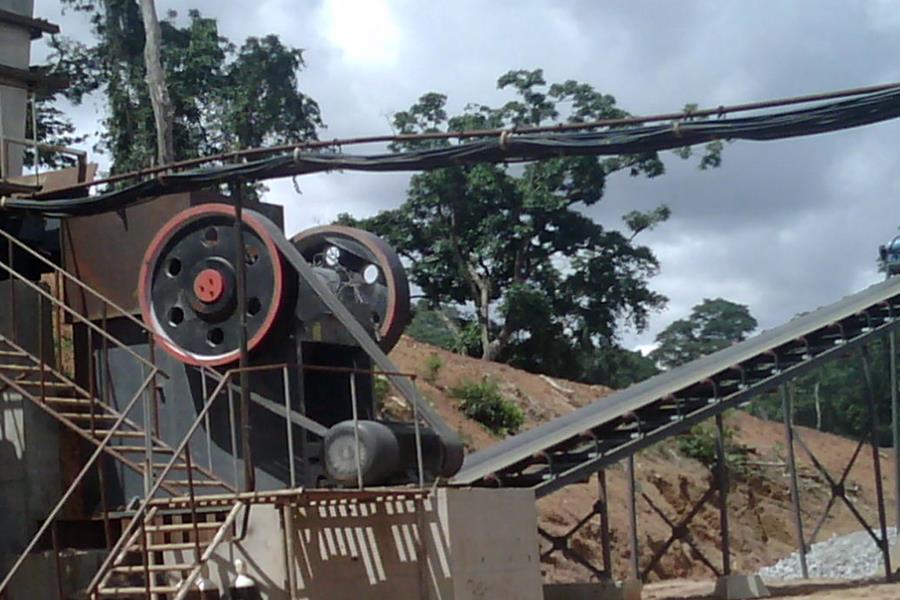
Primary – jaw or gyratory crusher for coarse feed.
Secondary – cone crusher (standard) or impact crusher for medium reduction.
Tertiary – short-head cone or vertical shaft impactor for fine shaping.
Mismatched crusher types can produce excessive fines or too much oversize. For example, using an impact crusher in secondary duty may generate more elongated particles that are difficult to screen, increasing recirculation. Consult your equipment supplier to confirm the optimal crusher family and chamber design for your ore characteristics.
Monitoring and Continuous Improvement
Reducing circulating load is not a one-time task. Implement a routine monitoring program:
Measure screen feed, oversize, and undersize regularly.
Calculate circulating load weekly and track trends.
Adjust crusher settings or screen panels as wear progresses.
Train operators to recognise early signs of inefficient screening, such as visible oversize on conveyor belts.
Use these data to refine your strategies over time, adapting to changes in feed source or product specifications.
Partner with an Experienced Manufacturer
Achieving consistent results requires reliable equipment and knowledgeable support. OCP Mechanical Company brings over 40 years of manufacturing experience in crushers, screens, feeders, and complete processing plants. As a direct manufacturer, we offer cost-effective solutions tailored to your specific ore type and climate conditions—whether you are crushing iron ore in Minas Gerais or granite in São Paulo. Our engineers can conduct a circuit audit, recommend screen media upgrades, and advise on crusher settings to minimise recirculation. We also provide remote monitoring and troubleshooting to keep your plant operating at peak efficiency.
Get Expert Help – Available 24/7
If you are serious about lowering your recirculating load and boosting plant throughput, take advantage of our free consultation service. Our application engineers are available 24 hours a day to discuss your circuit layout, feed characteristics, and production targets. We can provide detailed recommendations, performance projections, and cost-benefit analyses at no charge.
Click the live chat button on our website to connect with a knowledgeable representative immediately, or submit your inquiry for a response within 24 hours. We offer free sizing and quotation services, along with spare parts support to keep your screens and crushers running reliably. Let us help you turn your three-stage circuit into a model of efficiency and profitability.
Performance figures and technical parameters are for reference only—the latest data and quotations are available from our customer service team. OCP Mechanical Company continuously improves its products; specifications are subject to change. Actual results depend on feed characteristics, operating conditions, and maintenance practices. Please confirm all details with our engineers before finalising your order.