
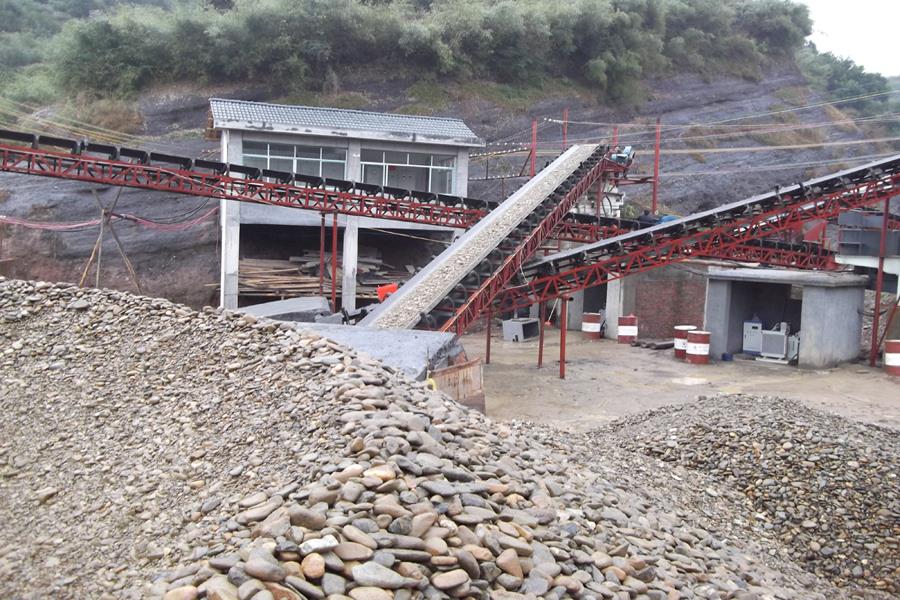
How to Reduce Dust from a 130 TPH Limestone Crusher Plant in Kenya
Kenya‘s Infrastructure Boom: A Market Driving Unprecedented Aggregate Demand
Kenya is experiencing one of the most ambitious infrastructure expansions in East Africa. The Kenya Construction Aggregates Market is projected to witness growth accelerating to 10.47% in 2027, driven by ongoing urbanization, infrastructure development initiatives, and government investments in construction projects. Major developments including the Sh45 billion clinker plant inaugurated in West Pokot, massive lime processing facilities planned in Kitui and Nyeri, and the proposed Dangote Lamu Refinery are creating unprecedented demand for limestone aggregates across the country. For quarry operators and contractors supplying limestone to these projects, efficient crushing and screening plants are essential infrastructure. However, with Kenya‘s mining sector under increasing regulatory scrutiny, operators must also address the environmental impact of their operations—particularly dust emissions from crushing activities. Understanding how to reduce dust from a 130 TPH limestone crusher plant in Kenya is no longer optional; it is a compliance and operational necessity that directly impacts project viability and community relations.
The Regulatory Landscape: NEMA and the Mining Act 2026
Kenya’s regulatory environment for mining and quarrying has undergone a significant transformation in 2026. The Mine Health, Safety and Environment Regulations, 2026 set strict environmental protection obligations for all license holders, including requirements for land rehabilitation and mine closure. The National Environment Management Authority (NEMA) enforces regulations to control dust and debris, protecting communities and ecosystems. Contractors who ignore these rules risk fines, stop-work orders, or closure of construction sites. The Environment and Land Court has affirmed that claims alleging dust pollution, contamination of water sources, excessive noise and other environmental impacts arising from mining activities fall squarely within its jurisdiction. This means operators remain accountable for the environmental consequences of their activities throughout the life of a project. For a 130 TPH limestone crusher plant in Kenya, implementing effective dust control measures is not merely a best practice—it is a legal requirement that can determine whether operations continue or face shutdown.
Understanding Limestone Dust: Why It Matters
Limestone crushing generates significant amounts of respirable dust that poses health hazards to workers and nearby communities. Prolonged exposure can lead to respiratory diseases, including silicosis, an incurable and sometimes fatal disease. Beyond health concerns, dust emissions can contaminate water bodies and vegetation, strain community relations, and interfere with machinery operation. For a 130 TPH limestone crusher plant, the primary dust generation points typically include the crusher feed and discharge areas, screening operations, conveyor transfer points, and material stockpiles. Effective dust control requires a systematic approach that addresses each of these sources. The good news is that proven technologies and methods exist to significantly reduce dust emissions—often achieving control efficiencies of better than 90% with a well-designed system. All performance data is based on industry experience and may vary by site conditions; please consult our online customer service for specific recommendations tailored to your operation.
Water Spray Systems: The First Line of Defence
Wet dust suppression is one of the most common and cost-effective methods for controlling dust at limestone crusher plants. Water spray systems deliver water to the crushing surface, where it combines with particles and reduces airborne dust levels. Adding moisture to the material also reduces the amount of dust produced downstream from the crushing operation. For a 130 TPH limestone crusher plant in Kenya, a well-designed water spray system typically includes spray headers fitted with pressure spray nozzles at the crusher inlet and outlet, conveyor transfer points, and screening operations. The use of fine mist or spray nozzles rather than large water streams is recommended to avoid flooding belts and screens. Portable suppression units with special atomising nozzles that create a fine mist of water droplets—optimised for dust control—can effectively cover the area immediately surrounding the primary crusher. Water sprinkling of unpaved access roads and excavation areas also helps suppress fugitive dust. All price information provided is for reference only; final quotes depend on system configuration, site conditions, and optional features.
Enclosures and Baghouse Filters: Containing Dust at the Source
While water spray systems are effective for many applications, baghouse filters and enclosures offer a more reliable solution for containing dust at critical points. Baghouse dust collectors use fabric filters to separate dust from air, achieving high collection efficiencies. Modern baghouse systems can achieve over 99% dust removal efficiency, significantly improving air quality around the crusher. For a 130 TPH limestone crusher plant, a combination approach is often most effective: enclosed crusher housings and covered conveyor systems prevent dust from escaping, while bag filters or cartridge collectors capture dust generated during crushing and screening. An effective dust control system typically combines “spray dust suppression + enclosed equipment + baghouse dust collection + personal protective equipment”. This multi-layered approach ensures compliance with NEMA regulations and provides a safer working environment for operators. For limestone operations in Kenya’s quarries along the Mombasa-Nairobi corridor and in Kitui and Kwale, such systems are increasingly becoming standard practice.
Mist Fog Systems: Advanced Technology for Superior Control
For operators seeking advanced dust control solutions, mist fog dust suppression systems offer superior performance. These systems use medium-pressure water mist spray through carefully designed hollow cone nozzles to control dust generated at hoppers, crushers, storage yards, and conveyors. The ultra-fine mist instantly agglomerates dust particles, causing them to settle before they become airborne. Some systems use two-component nozzles with an air-stream to create water droplets of 5 to 20 µm in size, optimising dust capture efficiency. For a 130 TPH limestone crusher plant in Kenya, a properly designed mist fog system can significantly reduce visible emissions and improve air quality around the plant. The application of non-toxic dust suppressants—such as calcium magnesium acetate and synthetic organic polymers—has been shown to achieve up to 48% reduction in PM10 levels when combined with targeted suppression strategies. These advanced systems, while representing a higher initial investment, can deliver substantial returns through improved regulatory compliance, reduced community complaints, and enhanced operator safety.
Operational Practices That Make a Difference
Beyond equipment and technology, operational practices play a crucial role in dust control. Regular maintenance of spray nozzles and dust collection systems ensures they operate at peak efficiency. Adjusting blasting techniques and optimising truck movement patterns can reduce dust generation at the source. Covering material stockpiles with netting or tarpaulins prevents dust escape during storage. Water sprinkling of driveways and the use of biodegradable hydrants can reduce dust emissions during material transport. For operators learning how to reduce dust from a 130 TPH limestone crusher plant in Kenya, implementing these operational best practices alongside equipment-based controls delivers the most effective results. NEMA requires that construction sites maintain dust barriers along the perimeter in urban areas, with high-quality scaffolding debris nets capable of reducing airborne dust by 80%–90% around active sites. For quarry operations near Nairobi, Mombasa, and Kisumu, where urban density amplifies the impact of dust emissions, these measures are particularly critical.
OCP Mechanical Company: Factory-Dust Solutions for Kenya‘s Limestone Sector
With over 40 years of manufacturing experience and exports to more than 180 countries and regions worldwide, OCP Mechanical Company brings proven expertise to Kenya’s growing limestone processing sector. Our product range includes jaw crushers, impact crushers, cone crushers, VSI crushers, vibrating screens, feeders, and complete crushing and screening plants—all brand-new and built to rigorous quality standards. We understand the specific requirements of limestone operations in East Africa: equipment must be durable, easy to maintain, and capable of delivering consistent throughput while meeting environmental compliance standards. As a direct factory manufacturer, we eliminate distributor margins, passing the savings directly to you. This is particularly valuable in the Kenyan market, where import costs and logistics can add significant expense to capital equipment purchases. All price information provided is for reference only; final quotes depend on equipment configuration, shipping terms, optional features, and current exchange rates. Our engineering team can recommend the optimal dust control configuration for your 130 TPH limestone crusher plant in Kenya, whether you require water spray systems, baghouse filters, or integrated mist fog solutions.
Your Next Step: Get Expert Dust Control Guidance and a Custom Quote
Kenya‘s limestone sector is entering a period of unprecedented growth, driven by infrastructure projects, cement plant expansions, and rising demand for construction aggregates. For operators in Nairobi, Kitui, Nyeri, and across the Mombasa-Nairobi corridor, effective dust control at your 130 TPH limestone crusher plant is fundamental to maintaining production, ensuring regulatory compliance, and building positive community relations. OCP Mechanical Company offers factory-direct, high-quality crushing equipment and dust control solutions engineered for durability, energy efficiency, and low total cost of ownership—all at competitive prices. Our online customer service is available 24 hours a day, seven days a week, to provide free consultations, updated price references, and equipment selection guidance. Click the chat button now to discuss your project with a specialist—we are ready to help you build a more efficient, compliant, and profitable limestone processing operation in Kenya.
-
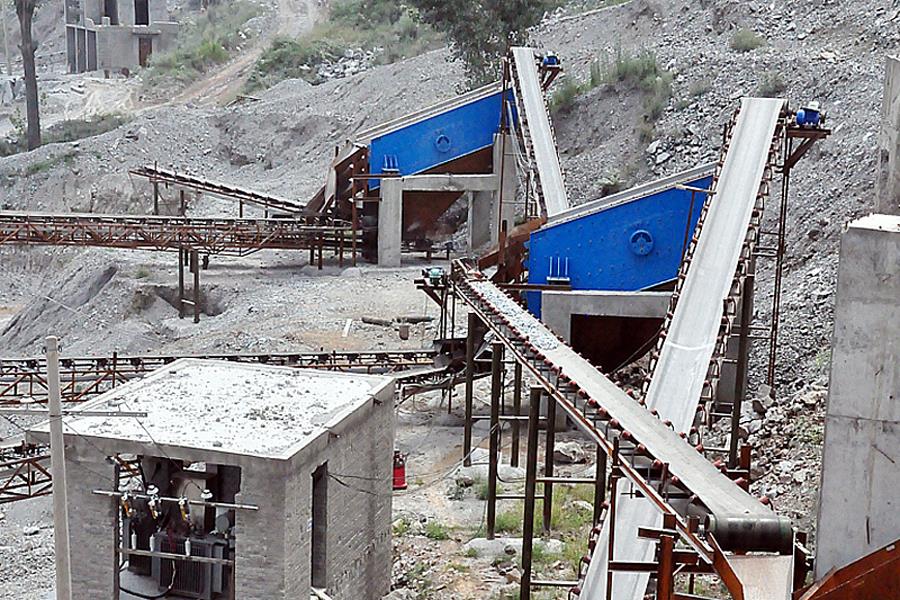
70-90 TPH Construction Waste Mobile Impact Crusher in Bangkok Thailand
-
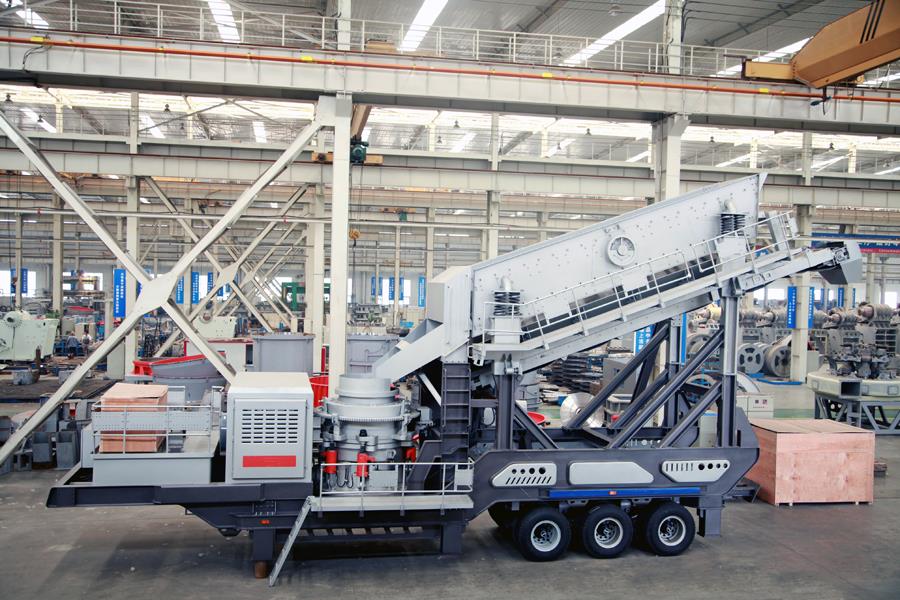
Stone Crushing Equipment Market Forecast to USD 15.62 Billion by 2035
-
220 TPH Iron Ore Cone Crusher Liner Replacement Guide for Minas Gerais Operations
-
-
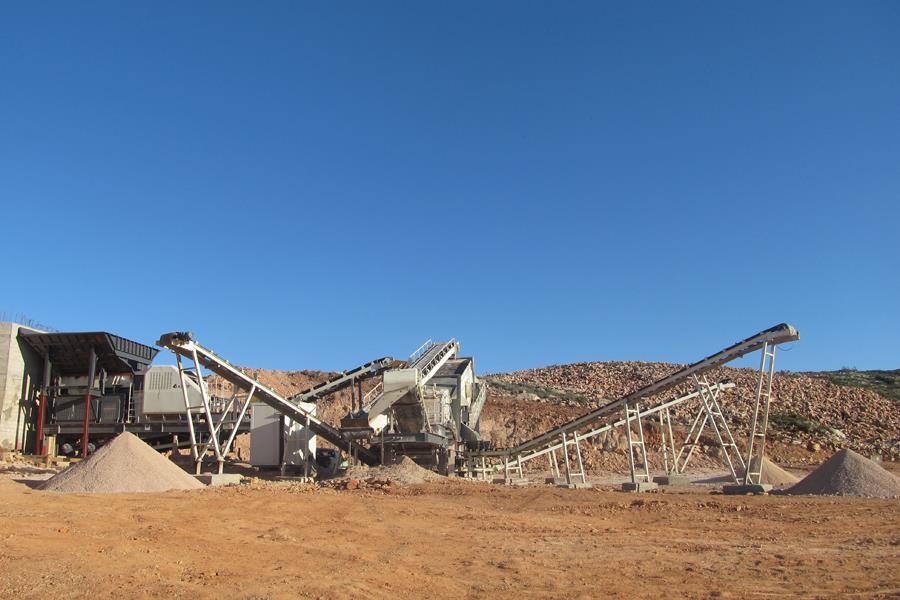
Sandvik Completes Jaw Crusher Range Upgrade with ACS-j Smart Monitoring



