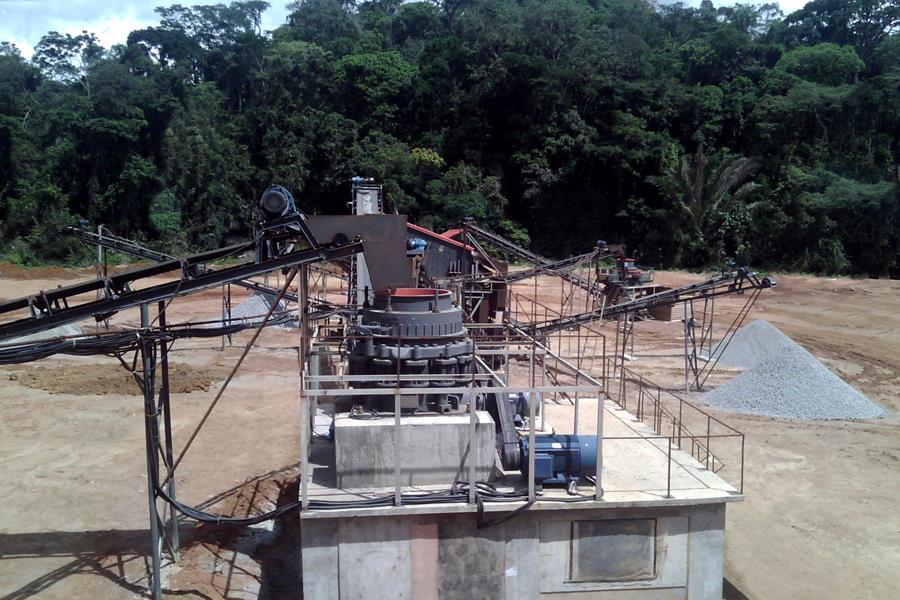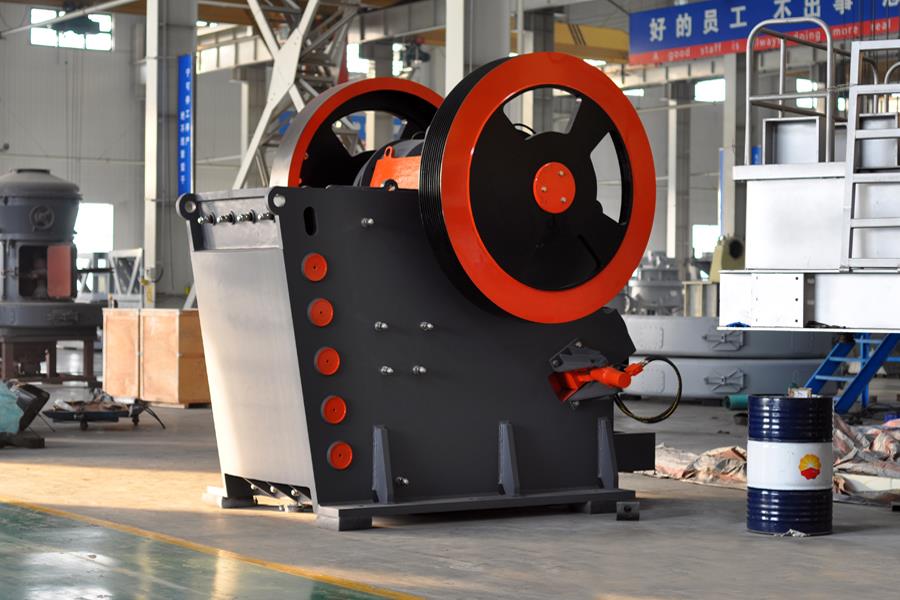
How to Reduce Downtime During Jaw Crusher Liner Change in Hard Rock
Why Liner Change Downtime Matters in Hard Rock Applications
Hard rock is unforgiving. For operations processing granite, basalt, or high-silica ores, jaw crusher liners wear at an accelerated rate, with some operations reporting the need for a liner change every third day. In hard rock applications, jaw crusher liners typically last between 800 and 1,200 hours, compared to 2,500 to 3,500 hours in softer limestone applications. This means more frequent changeouts, more downtime, and higher operating costs. A typical liner change can take 6.5 hours or more—and in a 200 TPH operation, every hour of downtime represents hundreds of tons of lost production. Reducing this downtime is not just a maintenance priority; it is a strategic imperative that directly impacts throughput, profitability, and competitiveness.
Pre-Planning and Preparation: The Foundation of a Fast Changeout
The most effective way to reduce downtime is to ensure that nothing slows the process once the crusher is stopped. Pre-planning begins with a comprehensive tool and material checklist. Essential tools include a 50-ton capacity hydraulic jack, a torque wrench with a 300–800 N·m range, and a liner lifting clamp with a safe working load of at least 2,000 kg. High-quality wear-resistant parts can reduce crusher downtime for maintenance by more than 40% and cut annual operation and maintenance costs by 30% to 35%. All wear parts should be stocked on site to eliminate waiting time for deliveries. The replacement team should be briefed on the specific procedure, and a risk assessment should be conducted to identify potential hazards.
Safety First: Lockout/Tagout and Risk Assessment
Safety is non-negotiable during liner changes, and proper safety procedures also contribute to efficiency by preventing accidents that cause extended delays. Before any work begins, the crusher must be shut down, de-energised, and isolated with a mechanical lockout. Hydraulic pressure must be relieved with a bleed time of more than five minutes. All personnel must follow the manufacturer‘s lockout/tagout rules to ensure that nobody can restart the equipment by mistake. Liners can weigh 1–2 tons or more, so a hoist or crane must be used for safe handling. A full risk assessment should be conducted prior to performing maintenance tasks, and procedures to safely complete the task should be established and followed.
Efficient Removal: Breaking the Corrosion Bond and Diagonal Torque Sequence
Once the crusher is locked out, the next step is removing the worn liners as quickly and safely as possible. Loosen the wedge bolts in a diagonal pattern with a 30% torque reduction to prevent binding. Use liner removal tools to break the corrosion bond that often forms between the liner and the jaw bed. Remove upper wedges first, then side plates. If bolts are rusted, penetrating oil may be needed. After the liners are removed, use a pneumatic chisel to remove debris from the mounting surface. Cleaning the surface thoroughly ensures that new liners seat properly and reduces the risk of premature wear.
Surface Preparation and Inspection: Catching Problems Before They Cost Time
A clean mounting surface is critical for a fast, reliable installation. After debris removal, inspect the crusher frame for cracks using dye penetrant testing. Verify flatness to a tolerance of less than 0.5 mm per metre. Check for corrosion or cracks in the frame, and clean the mounting surfaces thoroughly before installation. This inspection step may add a few minutes to the process, but it prevents much longer delays caused by frame damage or improper seating of new liners.
Correct Installation: Torque Specifications and Alignment Verification
Installing new liners correctly the first time eliminates the need for rework. For the fixed jaw, apply a torque of 650 N·m in a centre-out sequence. For the movable jaw, apply 720 N·m in a cross pattern. Use a calibrated torque wrench to ensure proper fastening; improper torque can cause liner movement and premature wear. After installation, use laser alignment tools to verify parallelism of less than 0.2 mm per metre and vertical runout of less than 0.3 mm. Proper alignment ensures even wear distribution and maximises liner life.
Run-in Procedure: The Critical First Hours
New liners require a careful run-in process to ensure proper work hardening and to prevent premature failure. For one-piece jaw liners, rotate the liner when 30% of the tooth profile is worn, and rotate a second time when the tooth profile at the bottom is completely worn. For two-piece liners, worn liners are removed from the bottom of the crushing chamber, work-hardened upper liners are installed at the bottom, and new liners are installed at the top. This procedure allows for good work hardening of the manganese jaw liners and maintains the best nip angle for maximum throughput. After installation, start with 50% feed rate for 6 hours, then operate at 75% rated power (80% amps) with a full cavity for 2 hours, before ramping up to full production. Monitor vibration, keeping it below 4.5 mm/s RMS, and retorque after 8 hours of operation.
Predictive Monitoring: Replacing Liners at the Optimal Time
One of the most effective ways to reduce total downtime is to replace liners only when they actually need replacement—neither too early nor too late. Fixed replacement schedules often result in premature replacement, wasting 20–35% of liner life, or delayed replacement, causing throughput loss and risking catastrophic failure. Predictive monitoring uses ultrasonic thickness gauging, vibration sensors, and production logs to track actual wear rates. By replacing liners at the optimal time, operators can reduce liner costs by 30–40% while preventing unplanned shutdowns. For a jaw crusher processing granite, moving from a fixed 800-hour schedule to predictive monitoring that extends life to 1,000 hours can significantly reduce annual downtime and maintenance costs.
OCP Mechanical Company: Factory-Direct Solutions for Hard Rock Operations
While proper procedures and predictive monitoring can significantly reduce liner change downtime, the quality of the liners themselves is equally important. With over 40 years of manufacturing experience and exports to more than 180 countries and regions worldwide, OCP Mechanical Company supplies high-quality jaw crusher liners engineered for the most demanding hard rock applications. Our liners are available in multiple manganese grades—Mn13Cr2, Mn18Cr2, and 22% manganese—with 22% manganese offering longer wear life in highly abrasive conditions. As a direct factory manufacturer, we eliminate distributor margins, passing the savings directly to you. All price information provided is for reference only; final quotes depend on liner specifications, quantity, shipping terms, and current exchange rates. Our engineering team can recommend the optimal manganese grade, liner profile, and replacement interval based on your specific ore characteristics and production targets. Product specifications are continuously updated; please consult our online customer service for the latest technical parameters tailored to your application.
Your Next Step: Get Expert Guidance and a Custom Quote
Reducing downtime during jaw crusher liner changes in hard rock requires a systematic approach: pre-planning and preparation, rigorous safety procedures, efficient removal techniques, thorough surface preparation, correct installation with verified alignment, a careful run-in process, and predictive monitoring to optimise replacement timing. OCP Mechanical Company offers factory-direct, high-quality jaw crusher liners and complete crushing solutions engineered for durability and low total cost of ownership—all at competitive prices. Our online customer service is available 24 hours a day, seven days a week, to provide free consultations, updated price references, and equipment selection guidance. Click the chat button now to discuss your project with a specialist—we are ready to help you build a more efficient and profitable hard rock processing operation.
-
-
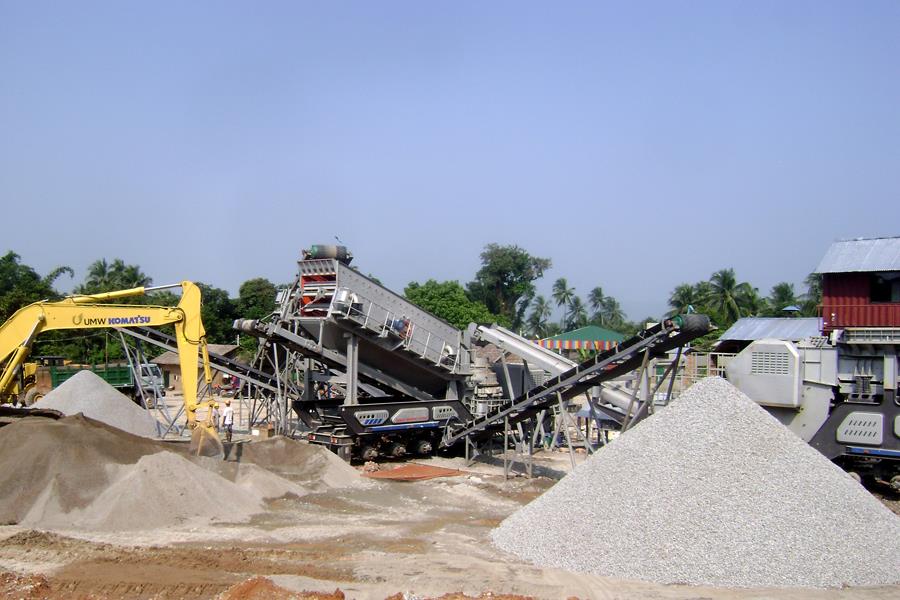
Huawei Launches Intelligent Open-Pit Mine Solution with Unmanned Crusher Station
-
-
210 TPH Iron Ore Mobile Crusher Rental Cost in Carajás Brazil
-