How to Prevent Crushers from Malfunctioning in Hot Weather
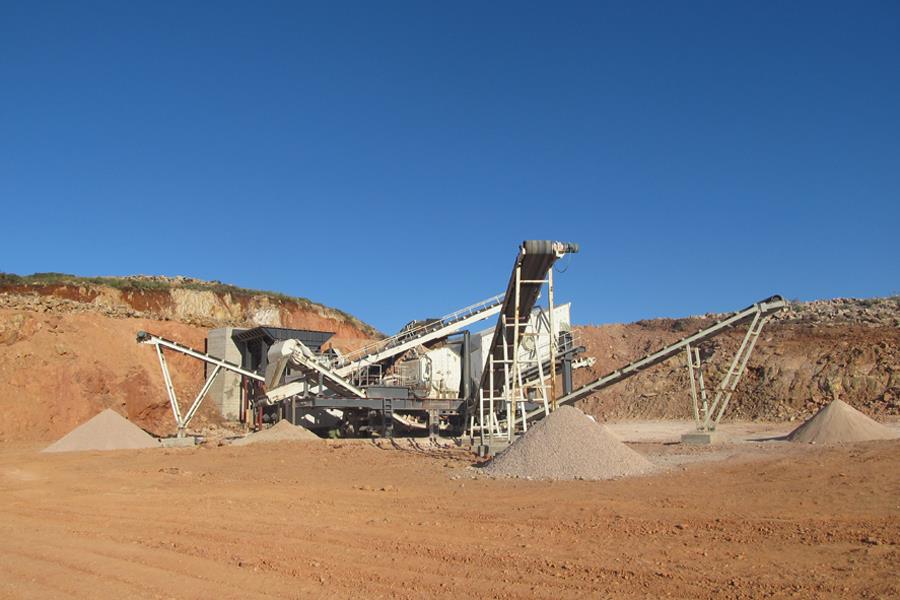
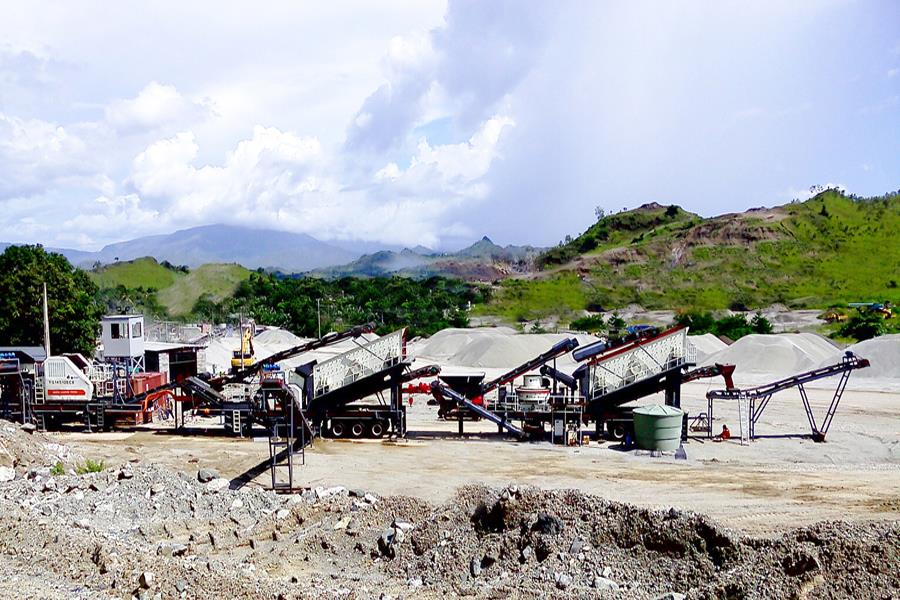
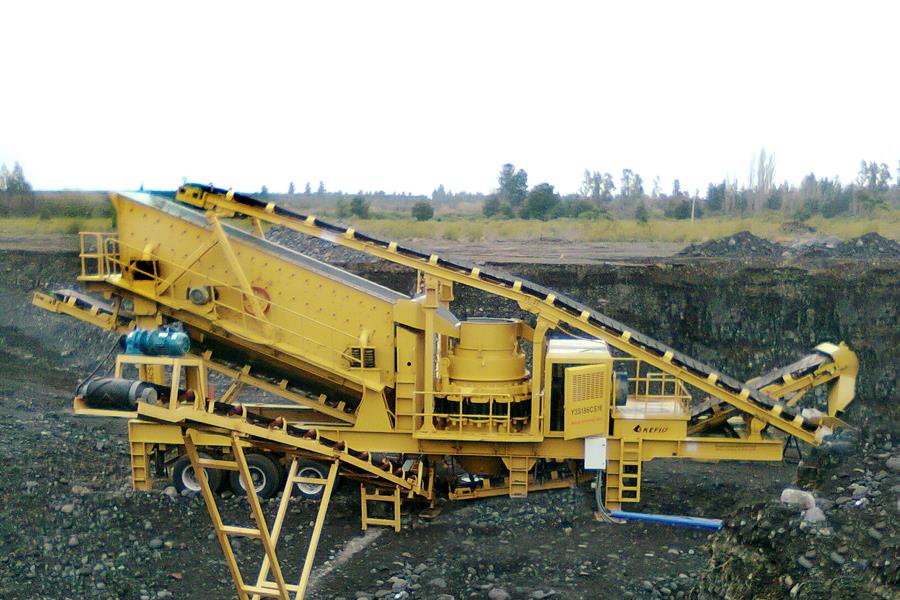
When facing scorching heat, people can seek refuge in air-conditioned rooms. However, crushers are typically installed outdoors in open areas, operating in relatively harsh environments significantly affected by weather conditions. Temperature fluctuations, prolonged exposure to sunlight, or rain can all impact crusher performance. High temperatures pose a particularly severe threat, compounded not only by external heat but also by the substantial heat generated during the crusher's own operation.
The crusher itself generates heat during operation. When operating in high temperatures, the internal chamber temperature rises further. Sustained high temperatures can cause machine failures, disrupting production. In hot conditions, thermal expansion and contraction affect certain machine components, leading to misalignment at joint points. This increases friction, causing severe wear on parts and hindering smooth equipment operation. Under high temperatures, the lubricating oil inside the crusher heats up. This elevated temperature degrades the oil's performance, reducing its viscosity and disrupting the oil film, which diminishes lubrication effectiveness between components.
What measures should be taken to prevent machine failures?
1. Before normal operation, manually rotate the pulley to verify smooth machine movement. Only proceed with feeding once confirmed, ensuring consistent and moderate material supply to prevent overload.
2. During operation, continuously monitor bearing temperatures, maintain proper lubrication, and listen for abnormal sounds. Immediately stop the machine for inspection and repairs upon detecting irregularities.
3. Monitor motor load during operation to prevent motor burnout from high summer temperatures.
4. Perform regular maintenance. During high-speed operation, friction in crusher components converts all consumed power into heat, raising friction part temperatures. Lubricating oil helps dissipate heat from friction surfaces and reduces temperatures by supplying oil volume.
V. Select appropriate oil viscosity grades for the crusher. Generally, higher viscosity grades are recommended for summer use. Replace engine oil and all lubricants with summer-grade oils at proper levels, and regularly inspect for leaks.
VI. Implement effective dust control measures. Although modern crushers feature upgraded dust suppression systems to reduce downtime caused by dust, summer conditions—marked by high temperatures and dry air—can exacerbate dust-related issues.
VII. Elevated summer temperatures increase equipment failure rates and fire risks across industries. To prevent disasters, equip each crusher with 1-2 fire extinguishers for immediate response to mitigate damage.
OCP specializes in developing and manufacturing complete sets of equipment for crushing, screening, grinding, washing, feeding, conveying, environmental protection, dust removal, as well as steel, metallurgy, and steel slag processing and recycling. Our products are widely used in the crushing and processing of metals, non-metallic minerals, energy raw materials, and metallurgical waste residues within the steel and metallurgy sectors. Click the website customer service for immediate free consultation, available 24/7.
-
-
What Advantages Does the Vertical Impact Crusher Offer in the Sand and Gravel Industry
-
What is the difference between single-cylinder and multi-cylinder cone crushers
-
-