How to optimally configure an open-pit rock crushing production line
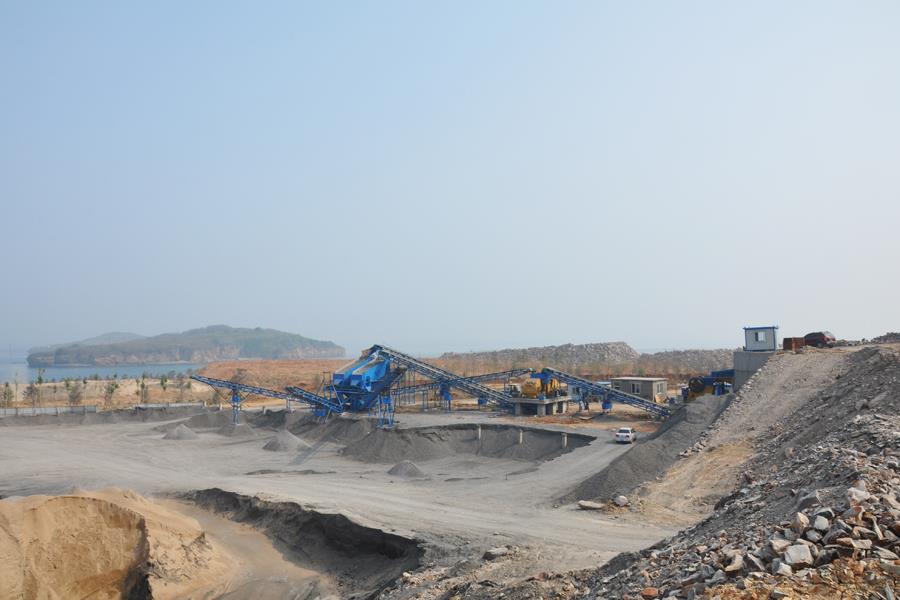
The production efficiency of an open-pit aggregate quarry hinges upon the productivity of its processing line. Such lines are not assembled arbitrarily but are typically configured based on aggregate type, hourly output, and desired final particle size (coarse, medium, fine). This involves integrating primary crushers, secondary crushers, sand-making equipment, screening units, and conveyor systems. So, how can one achieve higher operational efficiency in practical implementation?
Common rock crushing production line configurations
1. Feeder + Jaw Crusher + Impact Crusher + Vibrating Screen + Conveyor Belt
This configuration is commonly employed for crushing soft materials such as limestone, coal gangue, and magu stone. The jaw crusher serves as the primary breaker, processing larger feedstock before transferring it to the impact crusher for finer processing. The impact crusher also performs shaping functions, resulting in more uniform and aesthetically pleasing aggregates. Should sand production be required, a sand maker can be integrated as appropriate.
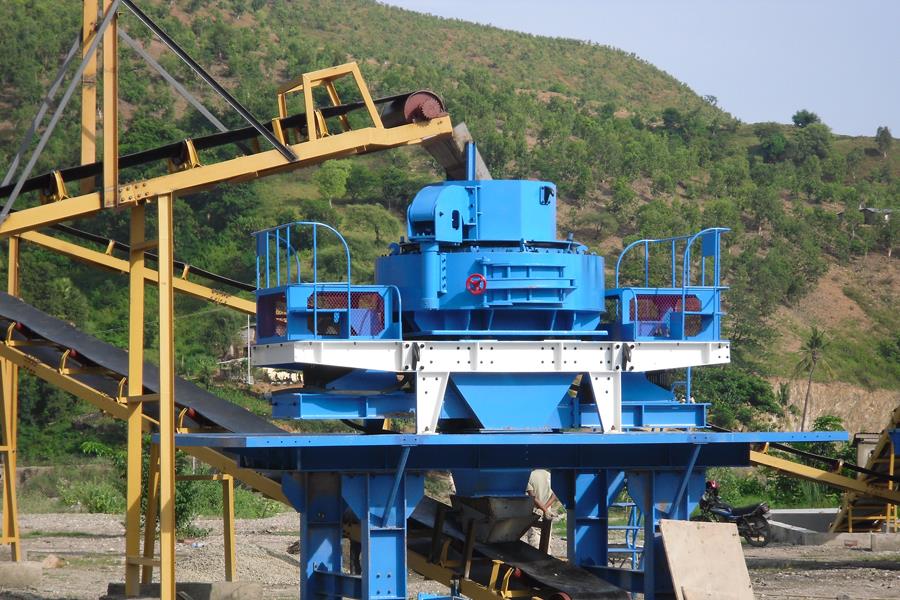
2. Feeder + Jaw Crusher + Cone Crusher + Sand Maker + Vibrating Screen + Conveyor Belt
This configuration is suitable for processing harder materials such as granite, river pebbles, and iron ore. The classic pairing of cone crusher and jaw crusher ensures comprehensive crushing capability, meeting customer requirements for high output and high crushing ratio.
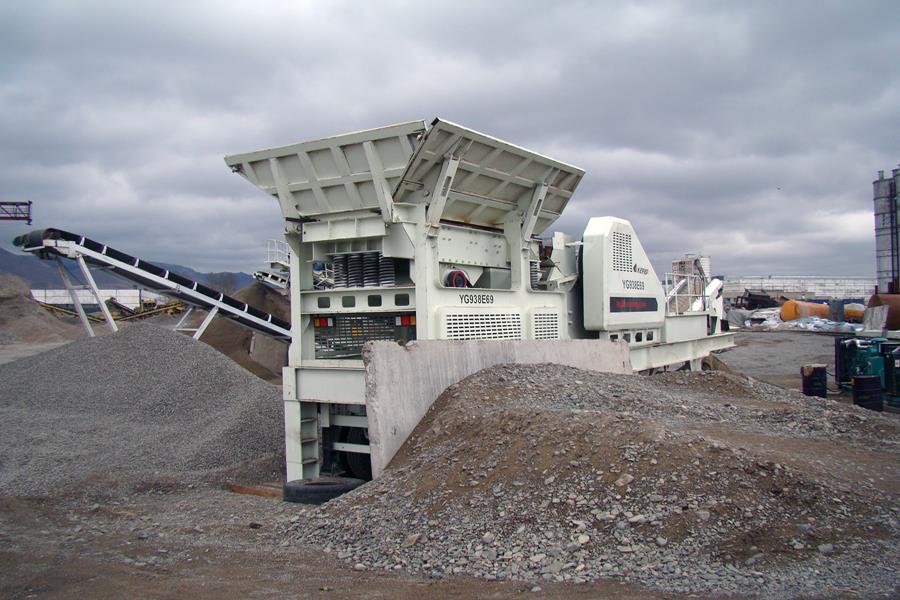
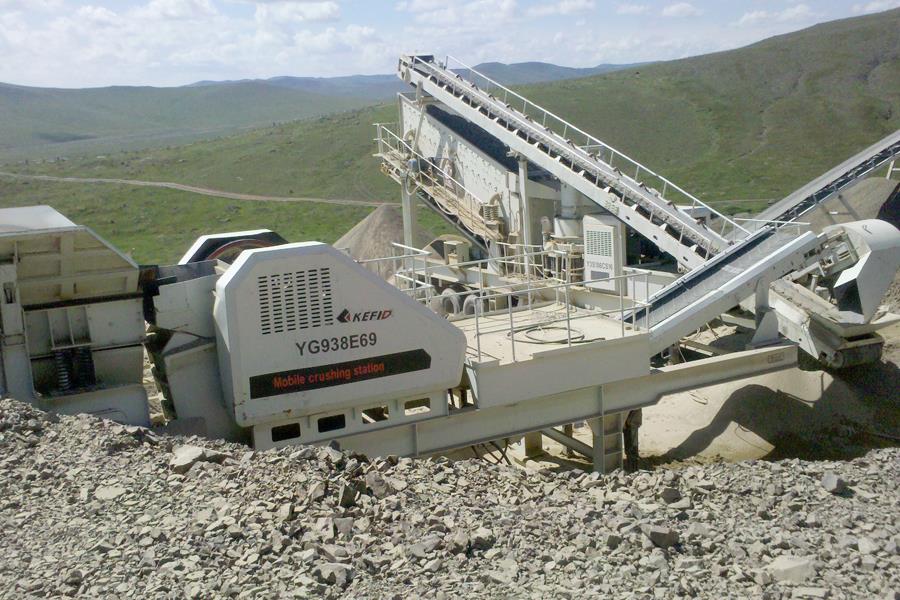
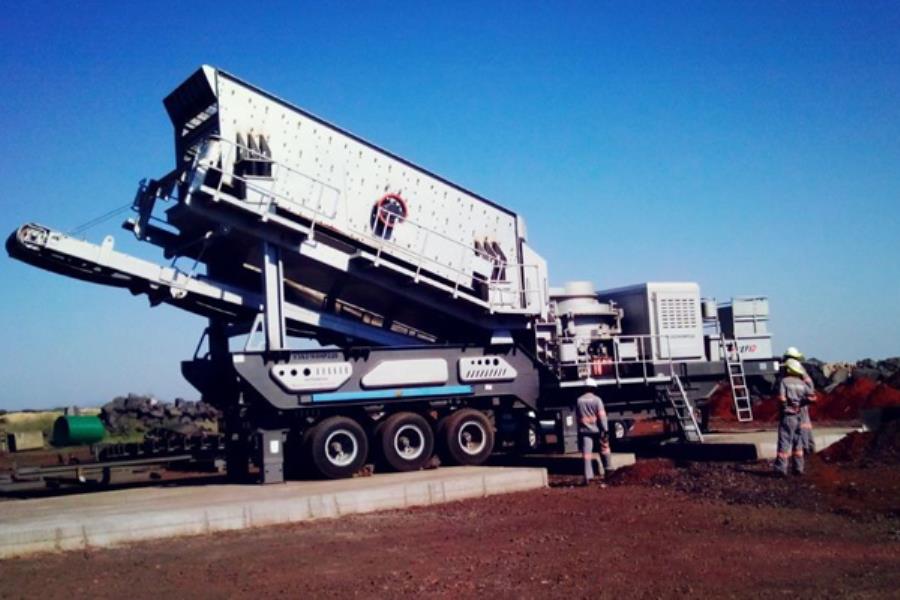
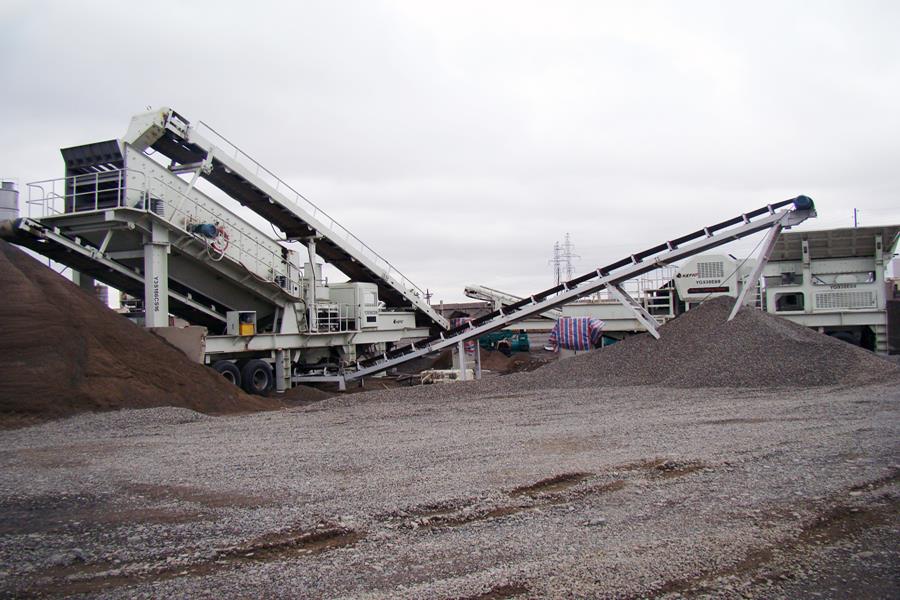
3. Mobile Stone Crushing Production Line Configuration
In recent years, mobile crushing production lines have gained significant popularity among users. Both tracked and wheeled mobile units meet production requirements across diverse terrains. Mobile crushing lines allow flexible reconfiguration of equipment combinations based on actual production needs. Common configurations include jaw crushers, impact crushers, cone crushers, impact crushers, and heavy hammer crushers, enabling customers to select equipment according to their specific requirements.
Each of the above three solutions possesses distinct advantages and represents frequently selected configurations in practical production scenarios. No single solution is inherently superior to another. The optimal choice depends entirely on your specific production requirements and the equipment needed to establish a suitable production line. Click to contact our website customer service for a professional engineer to tailor a production line to your specifications. Free consultation available 24 hours a day.