
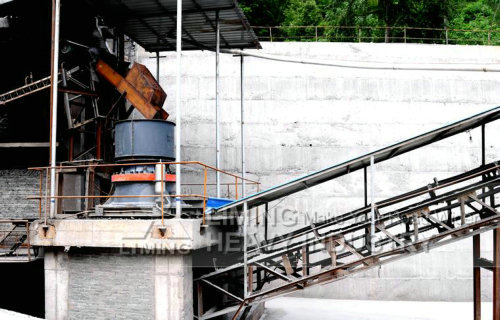
How to install a grizzly feeder for travertine 108 tph in Turkey
For travertine quarry operations in Turkey’s Denizli, Burdur, and Afyonkarahisar regions, a vibrating grizzly feeder (VGF) is essential to feed a jaw crusher evenly and scalp out fines. Travertine is a soft to medium‑hard limestone (Mohs 3‑4) that can contain clay, voids, and occasional hard chert nodules. Proper installation of a 108 tph grizzly feeder ensures consistent material flow, reduces crusher wear, and minimizes downtime. Knowing how to install a grizzly feeder for travertine 108 tph in Turkey helps you avoid common pitfalls and achieve reliable performance. OCP Mechanical Company, a factory‑direct manufacturer with over 40 years of experience, supplies Type F grizzly feeders designed for soft to medium‑hard rock, backed by 24/7 online support.
Note: Product data are constantly updated; the latest specifications should be confirmed with our online customer service.
Pre‑installation planning and site preparation
Before installing a grizzly feeder for travertine, survey the site and prepare the foundation. Travertine quarries often have uneven terrain, so choose a level area at least 2 meters larger than the feeder footprint. The feeder should be positioned so that its discharge aligns with the jaw crusher feed opening. A slope of 10‑12° is recommended for travertine – steeper angles may cause material to slide too quickly, shallower angles may reduce flow. Clear the area of loose rock and debris. For a 108 tph feeder, a reinforced concrete foundation (20‑30 m³) with embedded anchor bolts is highly recommended. Steel skids may settle in soft travertine dust. Ensure adequate drainage around the foundation to prevent water accumulation. Many Turkish travertine operators have reduced feeder‑related downtime by 50% after switching from steel skids to concrete foundations.
Positioning and leveling the feeder
Once the foundation is cured, position the feeder using a crane rated for the feeder’s weight (typically 4‑8 tonnes). Lower the feeder onto the anchor bolts. Use steel shims under the mounting feet to level the feeder in both directions. Check level with a spirit level or laser; acceptable tolerance is ±2 mm per meter. Tighten the anchor nuts to 70% of final torque. The feeder must be square to the crusher – misalignment causes uneven material distribution and premature grizzly bar wear. For travertine, center the discharge chute so that material falls evenly onto the crusher feed opening. Many Turkish quarries have improved crusher liner life by 15‑20% after properly leveling the feeder.
Assembling grizzly bars and installing liners
Bolt the adjustable grizzly bars into place. For travertine with typical fines content, set the bar spacing to 80‑100 mm – this allows fine material to bypass the crusher, reducing jaw plate wear. If your travertine contains clay or moisture, increase spacing to 100‑120 mm to prevent packing. Ensure bars are parallel and evenly spaced; use a template or tape measure. Install Hardox or manganese liners in the feed box and under the grizzly section to protect the feeder pan from abrasion. Tighten all bolts to the manufacturer’s torque specifications. For sticky travertine, consider adding rubber impact panels on the feeder pan to reduce adhesion. OCP provides pre‑drilled liners for easy replacement.
Connecting the drive and testing
Install the two unbalanced vibrator motors (or single exciter) according to the wiring diagram. Ensure motors rotate in opposite directions to produce linear throw. For a 108 tph feeder, motor power is typically 5.5‑11 kW each. Wire the motors to the control panel with a variable frequency drive (VFD) option for speed control. Before starting, check that all guards are in place. Run the feeder empty for 15 minutes, listening for unusual noise. Measure amplitude with a strobe light or vibration meter – target 5‑8 mm. Adjust eccentric weights if amplitude is too low or high. Then feed travertine at 50% rate, gradually increasing to 108 tph. Verify even material flow across the crusher width. Many Turkish operators have reduced feeder‑related startup issues by performing a full 2‑hour test run before production.
Operational tips for travertine feeding
Travertine can be dusty. Use water sprays at the feeder inlet to suppress dust without soaking the material. Inspect grizzly bars weekly for wear or bending – replace when bar height is reduced by 30%. For travertine with clay, clean the bars with a water lance at the end of each shift. Keep a spare set of grizzly bars and vibrator motor bearings on site. Adjust feeder speed with the VFD to maintain a choke‑fed condition in the jaw crusher (crusher power draw at 75‑85%). If travertine is wet, reduce feed rate by 10‑15% to prevent packing.
Why OCP is your trusted partner for grizzly feeder installation in Turkey
Mastering how to install a grizzly feeder for travertine 108 tph in Turkey ensures your crushing line starts efficiently. OCP Mechanical Company has four decades of experience in feeding equipment for the Turkish natural stone industry. Our 24/7 online team provides remote installation guidance, torque specifications, and troubleshooting. We keep genuine spare parts in our regional warehouse for fast delivery across Turkey. We invite you to request a no‑obligation quote and installation consultation.
For a no‑obligation consultation on how to install a grizzly feeder for travertine 108 tph in Turkey, simply click the live chat icon on this page. Our online customer service team is available 24 hours a day, 7 days a week, to provide free technical advice, equipment recommendations, and installation support – helping you feed your travertine crusher more efficiently.
-
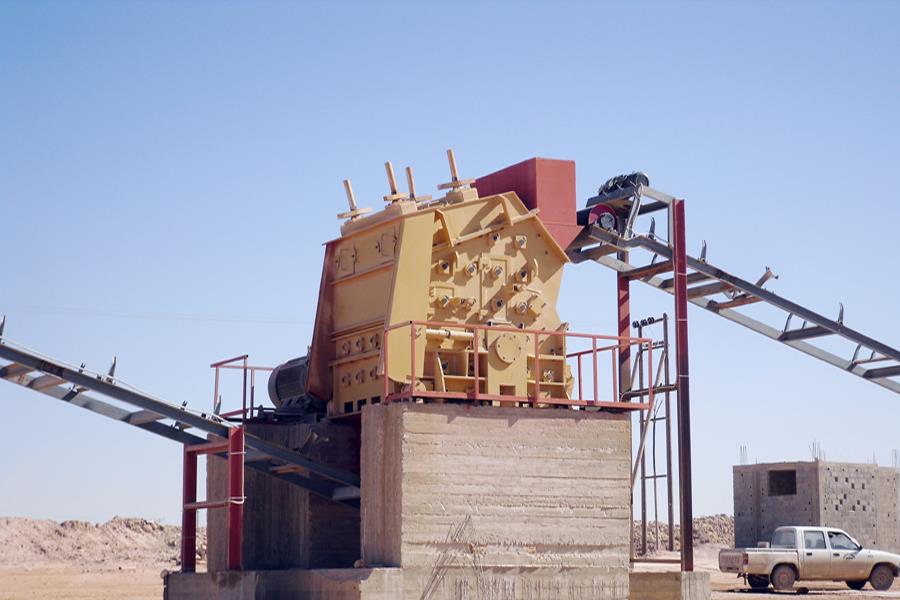
Purchase a secondary cone crusher for brucite 58 tph in Russia
-
-
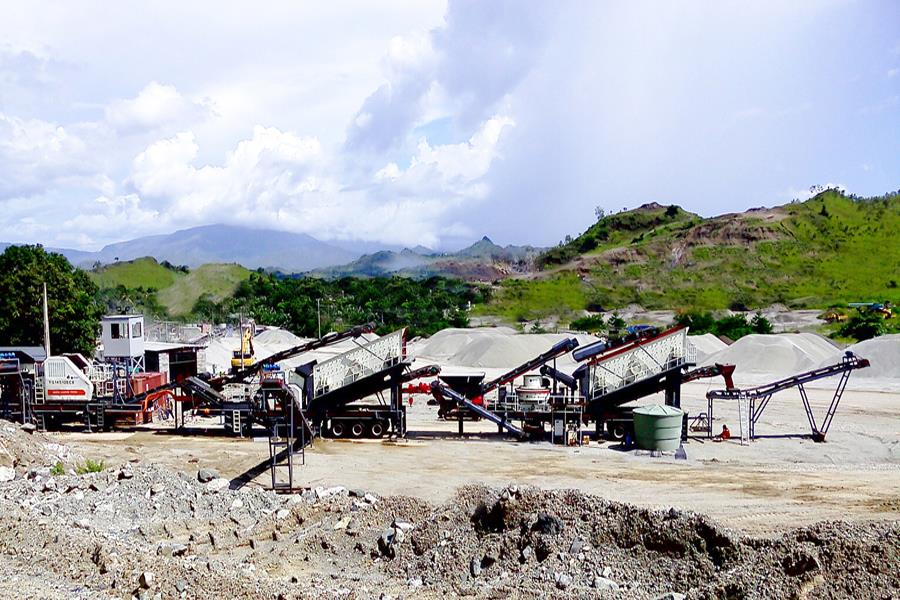
Tips to increase cone crusher throughput for hornfels 208 tph
-
Where to buy a used impact crusher for rubble 78 tph in Kuwait
-
How to select a vibrating screen deck for wet phosphate 188 tph in Morocco