

How to install a grizzly feeder for boulder clay 175 tph in Kenya
For mining and quarry operations in Kenya – particularly in the coastal region around Mombasa, the Rift Valley, and parts of Eastern Province – boulder clay is a challenging material. It contains large, sticky clay lumps mixed with cobbles and occasional boulders, making feeding a primary crusher difficult. A vibrating grizzly feeder (VGF) is essential to scalp oversize, break clay agglomerates, and feed uniformly. Knowing how to install a grizzly feeder for boulder clay 175 tph in Kenya ensures your plant achieves reliable throughput with minimal downtime. OCP Mechanical Company, a factory‑direct manufacturer with over 40 years of experience, supplies Type F heavy‑duty grizzly feeders designed for sticky, abrasive materials, backed by 24/7 online support.
Note: Product data are constantly updated; the latest specifications should be confirmed with our online customer service.
Pre‑installation planning: site preparation and foundation design
Before installing a grizzly feeder for boulder clay, proper site preparation is critical. The feeder processes 175 tph of sticky material, so the foundation must handle dynamic loads. Prepare a compacted, level area about 2 meters larger than the feeder footprint. For boulder clay, a reinforced concrete foundation with anchor bolts is highly recommended – steel skids may settle in soft ground. Ensure the foundation height allows discharge directly into the jaw crusher with a minimum drop height (to reduce dust and impact). Slope the feeder 8‑12° to assist material flow; steeper angles may cause sticky clay to slide too quickly. Note: Product data are constantly updated; the latest specifications should be confirmed with our online customer service.
Many Kenyan clay operations have reduced feeder‑related downtime by 50% after installing proper concrete foundations instead of temporary skids.
Step‑by‑step installation procedure for a grizzly feeder
Follow this sequence for how to install a grizzly feeder for boulder clay 175 tph in Kenya:
Set the feeder on foundation bolts – Align the mounting holes with anchor bolts. Use steel shims to level the feeder in both directions. Tighten nuts to half torque initially.
Check feeder slope – Measure the angle from the feed end to discharge. For boulder clay, a slope of 10‑12° is recommended. Adjust shims as needed.
Install the grizzly bars – Bolt the adjustable grizzly bars at the desired spacing (typically 100‑150 mm for clay). Ensure bars are parallel and evenly spaced to prevent uneven scalping.
Connect the vibrating motors – Mount the two unbalanced motors (if separate) or the single exciter unit. Wire the motors to rotate in opposite directions (inward rotation for forward material flow). Check electrical phase.
Install feed box liner – Bolt Hardox or manganese liners to the feed box to resist abrasion from clay and cobbles.
Connect the discharge chute – Ensure a smooth transition from feeder to crusher. Use a rubber skirt to prevent spillage.
Tighten all bolts to torque specifications – Re‑tighten anchor bolts to full torque. Double‑check motor mounting bolts.
Test run – Run the feeder empty for 15 minutes, listening for unusual noise. Then run with a small amount of boulder clay to verify flow.
All price information in this article is for reference only; contact our team for a current, site‑specific quote.
Critical adjustments for boulder clay material
When installing a feeder for sticky clay, certain modifications improve performance. How to install a grizzly feeder for boulder clay 175 tph in Kenya includes adjusting grizzly bar spacing wider than usual – 150‑200 mm – to allow clay lumps to pass while retaining only true oversize boulders. For extremely sticky clay, install rubber impact panels on the feeder pan to reduce adhesion. Use a variable frequency drive (VFD) to start the feeder slowly, preventing sudden shock loads. Set the VFD to run at 70‑80% speed initially, then increase to achieve the desired feed rate. Many Kenyan clay plants have improved feeder reliability by 60% after these adjustments.
Post‑installation checks and operator training
After completing the installation, perform these final checks. Verify that the feeder amplitude is 6‑10 mm peak‑to‑peak (for clay, higher amplitude helps break agglomerates). Ensure the crusher’s feed hopper does not “drown” the feeder – maintain at least 500 mm of free space below the feeder discharge. Train operators to recognize signs of plugging (low amplitude, material backing up) and to clear blockages safely using a water lance or pneumatic hammer – never hands. Provide a written checklist for daily inspection of grizzly bars, springs, and motor bolts.
OCP offers remote video support for installation guidance. Our engineers can walk your team through the process step‑by‑step via live chat or video call.
Why OCP is your trusted grizzly feeder supplier for boulder clay in Kenya
Understanding how to install a grizzly feeder for boulder clay 175 tph in Kenya ensures your crushing line starts efficiently. OCP Mechanical Company has four decades of experience in feeding equipment for difficult, sticky materials. We keep common spare parts – grizzly bars, vibrator motors, springs, and rubber liners – in our Nairobi warehouse for fast delivery across Kenya. Our 24/7 online team helps with installation support, amplitude tuning, and troubleshooting.
For a no‑obligation quote or installation guidance for your boulder clay feeder, simply click the live chat icon on this page. Our online customer service team is available 24 hours a day, 7 days a week, to provide free price quotes, equipment recommendations, and technical support – helping you process boulder clay more efficiently and profitably.
-
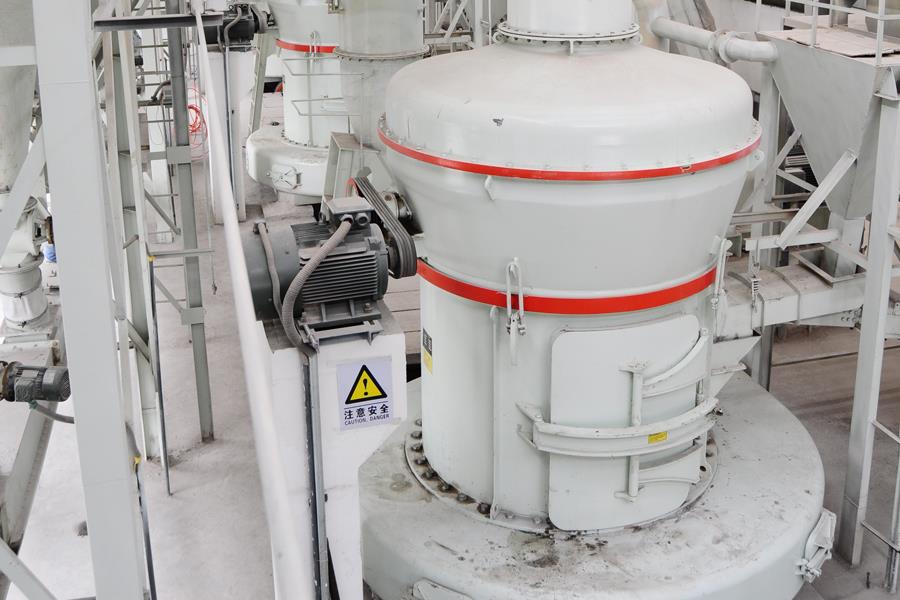
Purchase a secondary cone crusher for calcite 115 tph in Egypt
-
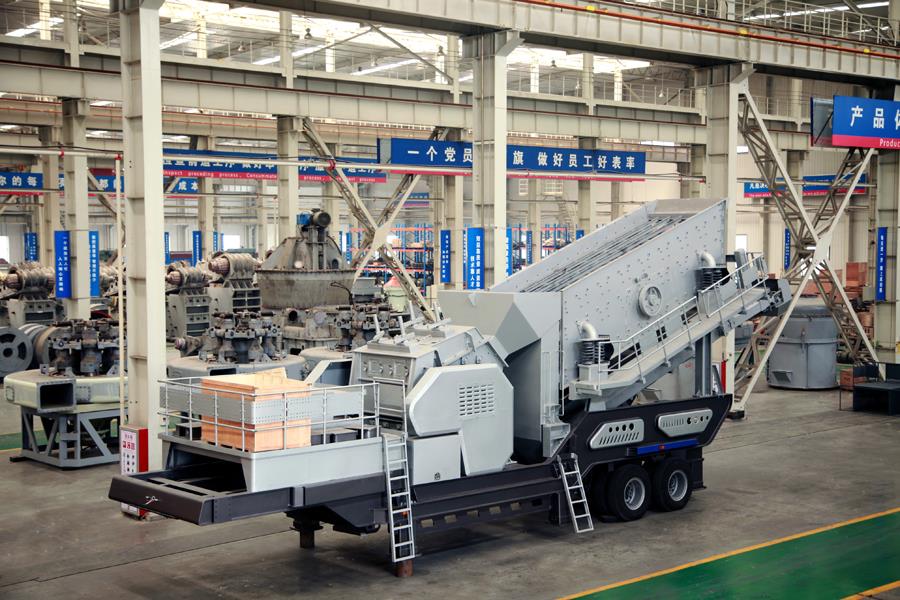
Price of sand making machine for quartzite 55 tph in Saudi Arabia
-
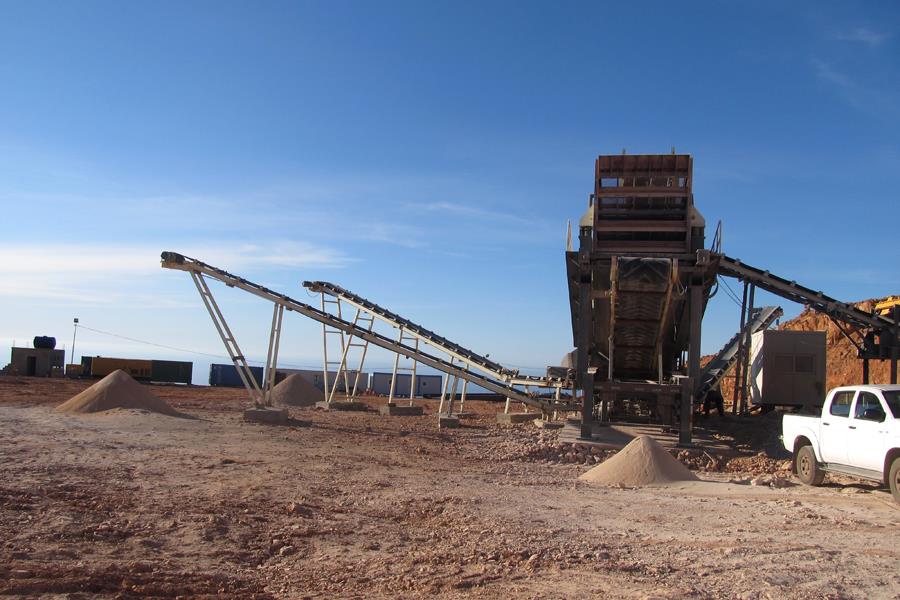
Tips to increase cone crusher throughput for porphyry copper 225 tph
-
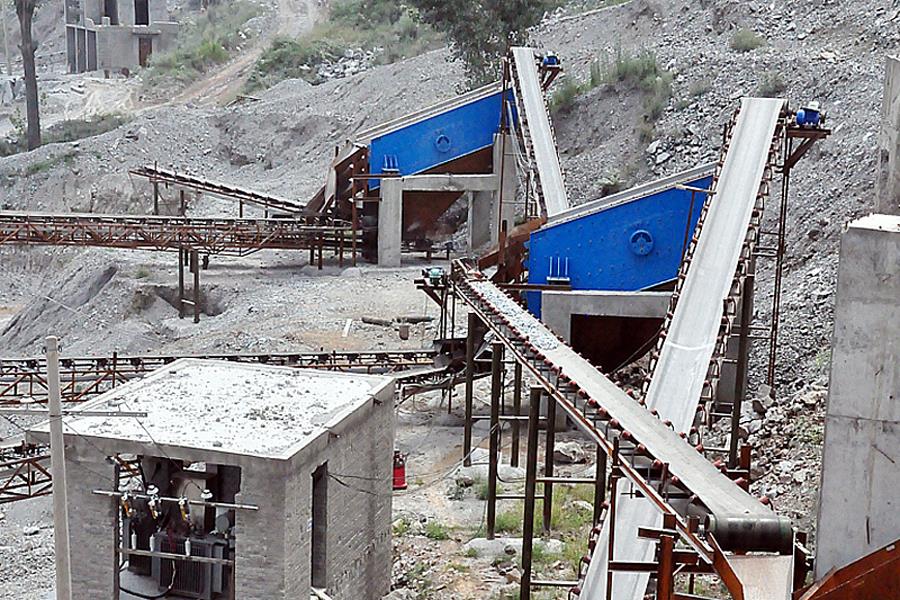
Where to buy a used impact crusher for construction waste 95 tph in UAE
-
How to select a vibrating screen deck for wet bauxite 275 tph in Guinea