How to improve sand shape using rock-on-iron crushing on VSI – A practical guide for better aggregate quality
Why sand shape matters and how rock-on-iron crushing can help
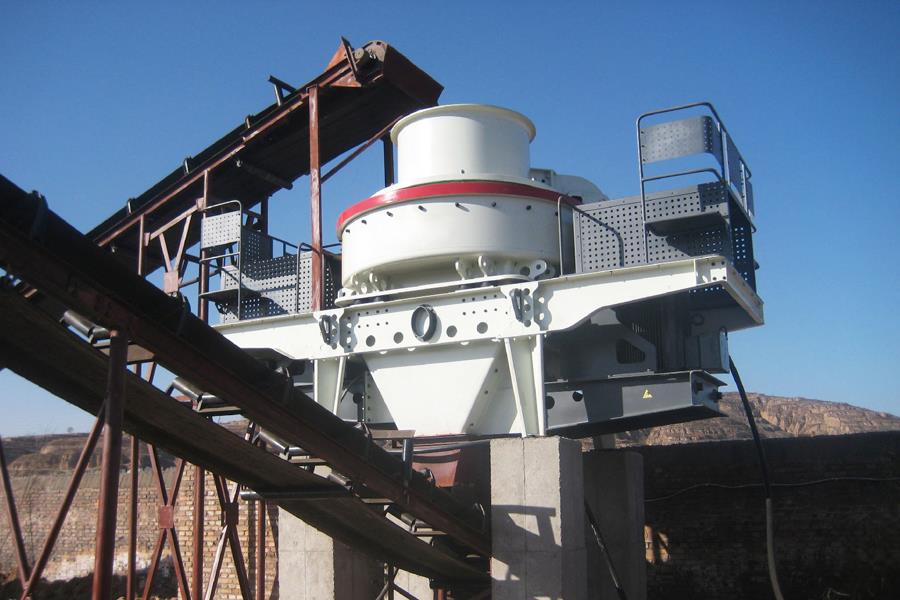
In modern concrete and asphalt production, particle shape directly affects workability, strength, and binder consumption. Flaky or elongated particles increase void content, requiring more cement paste and reducing the durability of the final mix. That is why many producers ask how to improve sand shape using rock-on-iron crushing on VSI. This method, also known as “rock-on-iron” or “anvil” crushing, involves feeding material into a vertical shaft impact crusher where it is accelerated by a high‑speed rotor and thrown against stationary anvils (iron surfaces). The impact shatters the feed, producing more cubical particles with a lower flakiness index. Compared to rock‑on‑rock crushing, which uses a bed of material as the target, rock‑on‑iron provides a more aggressive and controlled breakage environment, especially for medium‑hard and abrasive ores. At OCP Mechanical Company, with over 40 years of manufacturing experience, we have helped customers worldwide optimise their VSI operations to achieve superior sand shape, and we are ready to share key insights on how to improve sand shape using rock-on-iron crushing on VSI.
Understanding the mechanism – rock-on-iron vs. rock-on-rock
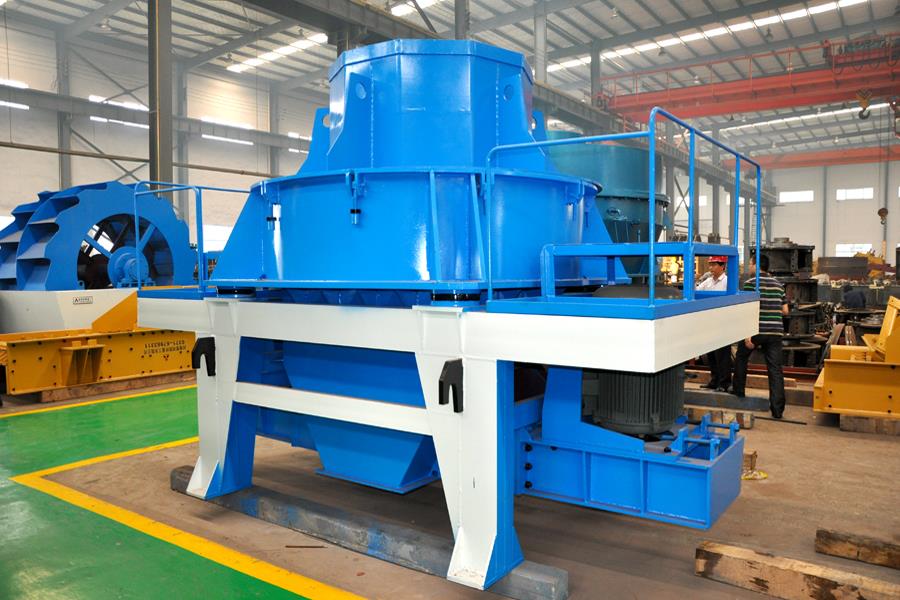
The fundamental difference lies in the target surface. In rock‑on‑rock (autogenous) crushing, the rotor throws particles into a densely packed layer of material that builds up on the crusher housing. This is suitable for soft to medium rocks and offers low wear costs, but the shaping effect is less intense because the impact energy is partially absorbed by the rock bed. In contrast, rock‑on‑iron uses fixed or replaceable anvils made of wear‑resistant steel or cast iron. The particles strike these hard surfaces with high velocity, creating a more violent and directed impact that breaks grains along cleavage planes, resulting in a more cubical product. When considering how to improve sand shape using rock-on-iron crushing on VSI, you should evaluate the abrasiveness of your feed. For materials with a silica content above 70% or high quartz content, rock‑on‑rock may be preferred to limit wear, but for materials like limestone, dolomite, tonalite, or clinker, rock‑on‑iron can dramatically enhance shape while maintaining acceptable wear life. Our Type R VSI is designed with interchangeable anvil configurations, allowing you to switch between rock‑on‑rock and rock‑on‑iron modes easily. All product specifications are continuously updated; for the latest details on anvil materials and rotor designs, please consult our online customer service.
Key operational parameters that influence sand shape
To successfully apply how to improve sand shape using rock-on-iron crushing on VSI, you need to control several variables. Rotor tip speed is the most critical: higher speeds generate greater impact energy, producing finer and more cubical particles, but also increase wear and power consumption. For typical manufactured sand applications, a tip speed of 50‑60 m/s is a common starting point. The feed size distribution and moisture content also play roles: a well‑graded feed with a maximum size of about 2‑3 inches (50‑75 mm) yields the best shaping efficiency. Too many fines in the feed can cushion the impact, reducing shape improvement. Additionally, the cascade feed ratio (the amount of material bypassing the rotor and falling directly onto the anvils) affects product gradation – a higher cascade percentage generates coarser sand with less fines. Our engineers recommend running trials to determine the optimal cascade setting for your material. We also advise installing a variable frequency drive (VFD) to adjust rotor speed on the fly, enabling you to respond to feed variations and product specification changes. By fine‑tuning these parameters, you can consistently achieve sand with a flakiness index below 15% and a high cubic content, which is widely recognised as premium aggregate.
Energy consumption and cost implications of rock-on-iron crushing
One common concern when exploring how to improve sand shape using rock-on-iron crushing on VSI is the additional energy and wear cost. Rock‑on‑iron generally consumes slightly more power per tonne than rock‑on‑rock because of the more intense impact, but the gain in product quality often justifies the expense. Our field data indicate that the specific energy requirement for rock‑on‑iron shaping of medium‑hard rocks ranges between 1.5 and 2.5 kWh per tonne, whereas rock‑on‑rock may consume 1.2‑2.0 kWh per tonne. However, the improved shape can reduce cement demand by 5‑8% in concrete mixes, offsetting the additional crushing cost. Furthermore, iron anvils have a predictable wear pattern and can be rotated or replaced in scheduled maintenance intervals, unlike the variable build‑up in rock‑on‑rock chambers. Over a year of production, the total operating cost (energy + wear parts) of a well‑tuned rock‑on‑iron VSI is often comparable to or even lower than that of a cone crusher plus a vertical shaft combination. When you evaluate how to improve sand shape using rock-on-iron crushing on VSI, we provide a comprehensive cost‑benefit analysis based on your specific feed and target product, helping you make an informed investment decision.
Maintenance and wear part strategies for rock-on-iron operation
To sustain the benefits of rock‑on‑iron crushing, a proactive maintenance plan is essential. The anvils, rotor tips, and distributor plates are the primary wear components. Our Type R VSI features quick‑change anvil cassettes that reduce downtime during replacements. We recommend inspecting anvils every 40‑80 operating hours, depending on the abrasiveness of your feed, and rotating them to maximise utilisation. Rotor tips should be replaced when they lose more than 30% of their original thickness. To simplify your inventory, we stock a full range of wear parts for all our VSI models and can ship them globally within 48 hours. We also offer condition monitoring systems that track vibration, temperature, and power draw, alerting you to imbalance or excessive wear before breakdowns occur. Proper maintenance not only ensures consistent sand shape but also extends the service life of the crusher. When adopting how to improve sand shape using rock-on-iron crushing on VSI, consider partnering with a manufacturer who provides detailed maintenance documentation and training. OCP Mechanical offers on‑site operator training and remote technical support, so your team can confidently handle daily adjustments and routine servicing.
Feed material suitability – where rock-on-iron works best
While rock‑on‑iron can improve shape for many materials, it is particularly effective for rocks with a Mohs hardness between 3 and 7, such as limestone, dolomite, marble, tuff, and some igneous rocks like tonalite. For extremely hard and abrasive materials like granite or basalt, rock‑on‑rock may be more economical despite the lower shape improvement. However, even for hard rocks, a hybrid approach – using rock‑on‑iron for the final shaping stage after a primary cone crushing – can yield excellent results with acceptable wear costs. We have seen successful implementations in Europe, North America, and Southeast Asia where producers have achieved sand shape comparable to natural river sand. The key is to conduct a small‑scale test with your actual feed, which we can facilitate either at our lab or through a mobile test unit. Our engineering team analyses the product size distribution, shape indices, and wear rates to recommend the optimal configuration. So when you ask how to improve sand shape using rock-on-iron crushing on VSI, the answer begins with understanding your material – and we are here to guide you through that process.
Sample parameter table for Type R VSI in rock-on-iron mode
The following table provides indicative figures for our recommended VSI in rock‑on‑iron configuration. Actual values depend on feed gradation, moisture, and anvil selection; please request the latest data from our customer service, as all parameters are continuously updated.
| Parameter | Value (approximate) |
|---|---|
| Model | Type R |
| Capacity (sand) | 80‑150 TPH |
| Rotor tip speed | 50‑60 m/s (adjustable) |
| Motor power | 250‑400 HP |
| Max feed size | 3 in (75 mm) |
| Anvil material | High‑chrome cast iron |
| Typical flakiness index reduction | 20‑30% improvement vs. cone crusher |
| Recommended cascade ratio | 15‑35% (depending on feed) |
This table is for reference only. For precise engineering calculations and process guarantees, please consult our technical team with your specific sample.
As for pricing, a new Type R VSI with rock‑on‑iron anvils and VFD typically ranges from $180,000 to $280,000, depending on capacity and options. This price is for reference only – final quotations are based on your exact requirements and shipping destination.
Why choose OCP Mechanical for your sand shaping needs
OCP Mechanical has been designing and manufacturing crushing equipment for over four decades. We offer factory‑direct pricing, eliminating middlemen, and we can customise our VSI with special anvil alloys, rotor profiles, and automation systems to suit your unique application. We also supply complete sand making plants, including screens, conveyors, and washers, providing a one‑stop solution. Our global service network ensures that technical support is never far away, and our online customer service is available 24/7 for free consultation, updated technical documents, and fast quotes. We believe that how to improve sand shape using rock-on-iron crushing on VSI is not a one‑size‑fits‑all formula; it requires partnership with an experienced manufacturer who values your production goals.
Conclusion – Start producing superior sand with rock-on-iron technology
Improving sand shape is a competitive advantage in the aggregate industry. By adopting rock‑on‑iron crushing on a well‑designed VSI, you can produce more cubical particles, reduce cement consumption in concrete, and command premium prices for your product. Whether you are processing limestone, tonalite, clinker, or other medium‑hard rocks, the principles we have discussed will help you achieve consistent quality. We invite you to contact our online team to discuss your feed material and production targets – they will provide tailored advice on how to improve sand shape using rock-on-iron crushing on VSI and supply a customised quote. Click the chat button now and let us help you elevate your sand quality to the next level.