
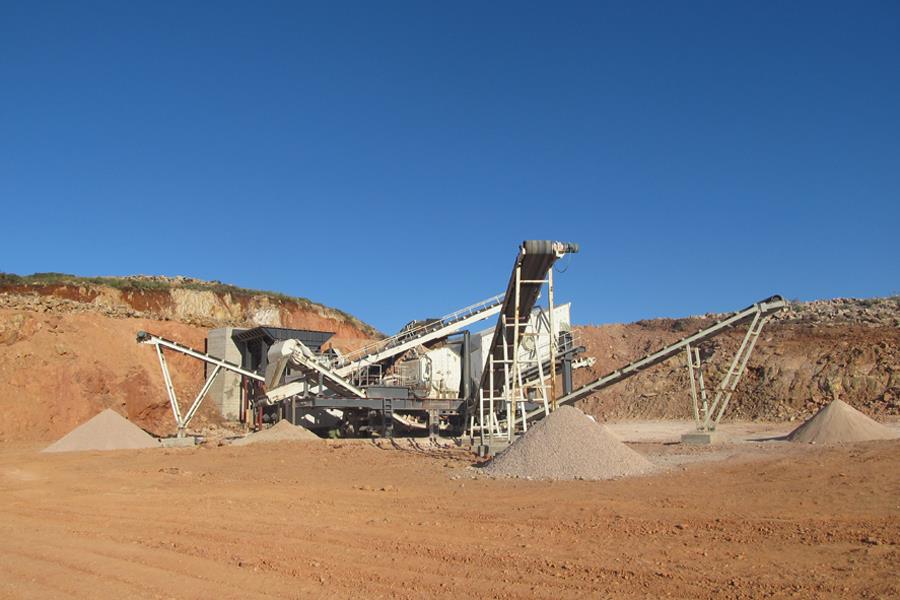
How to Improve Sand Shape from VSI for Concrete Sand 150 TPH
Why Sand Shape Matters for Concrete Performance in the UAE
The UAE construction sector is experiencing robust growth, with the concrete aggregate market estimated at USD 479 million in 2025 and projected to reach USD 675 million by 2032, growing at a CAGR of 5.0% . The ready-mix concrete market is forecast to grow from USD 3.7 billion in 2025 to USD 5.4 billion by 2032 at a CAGR of 5.6% . Mega-projects like the Dubai Urban Master Plan 2040 and extensive infrastructure upgrades across Abu Dhabi and the Northern Emirates are driving unprecedented demand for high-quality manufactured sand .
Yet the UAE faces a unique challenge: desert sand, despite its abundance, is unsuitable for concrete production due to its rounded, fine particles that lack the angularity needed for proper cement bonding . This is why the UAE imports construction sand from overseas and increasingly turns to manufactured sand produced by VSI crushers . For operators running a 150 TPH VSI sand making plant supplying concrete sand, improving particle shape is not merely a technical exercise—it is a competitive necessity that directly affects concrete workability, cement consumption, and ultimately, your bottom line.
Understanding How VSI Crushers Improve Particle Shape
A VSI crusher improves cubical shape in manufactured sand by accelerating rock through a high-speed rotor and forcing particle-on-particle or particle-on-anvil impact. This breaks weak edges, reduces flat and elongated particles, and improves the final shape of 0–5 mm sand . The VSI is most effective as a final-stage shaping machine after jaw, cone, or impact crushing has already reduced the material to a suitable feed size .
Cubical aggregate has a more balanced particle shape than flaky or elongated aggregate. In concrete, better shape can improve packing density, workability, strength stability, and finish quality . Poor particle shape, by contrast, creates higher cement consumption, lower concrete workability, poor asphalt compaction, and unstable gradation . For a 150 TPH VSI sand making plant supplying concrete sand in the UAE, achieving superior particle shape translates directly to lower cement costs for your customers and higher prices for your product.
Feed Size Control: The Foundation of Good Sand Shape
The VSI crusher should not receive oversized feed. Oversized material increases rotor wear, vibration risk, and power load, while reducing shaping efficiency because large particles do not move through the chamber evenly . For manufactured sand, many plants use jaw and cone crushers before the VSI to reduce raw stone into a controlled feed size .
To optimise sand shape for your 150 TPH VSI crusher in the UAE:
Keep maximum feed size within the VSI model limit
Avoid sudden oversized lumps from the upstream crusher
Use a screen before the VSI when feed size is unstable
Keep feed grading consistent, not only maximum size
Remove clay or sticky fines if they block normal flow
If a plant sends mixed oversized rock directly into the VSI, the result is often high wear cost and poor shape consistency . Product specifications are continuously updated; please consult our online customer service for the latest technical parameters tailored to your application.
Rotor Speed: The Key to Balancing Fines and Shape
The rotor speed controls final particle size and shape quality . Speeding up the rotor will produce more fines; slowing it down will produce fewer fines . Research shows that grain shape improves at higher speed settings on the VSI crusher, and filler content in manufactured concrete sand is lower .
For a 150 TPH VSI crusher producing concrete sand, operators should experiment with rotor speed to find the optimal balance between throughput, fines generation, and particle shape. Higher speeds improve shape but may increase wear and energy consumption. The key is to find the sweet spot that delivers specification-grade sand with acceptable wear costs. Best grain shape is typically achieved with dry material , so managing feed moisture is equally important.
Cascade Feed Ratio: Manipulating Product Grading and Shape
The cascade feed system introduces a second stream of material, in a controlled quantity, into the crushing chamber turbulence. This causes a supercharging of the particle population within the chamber, improving energy transfer between particles . The cascade feature enables the operator to make optimal use of the power available and to manipulate the product grading and shape to best suit their requirements .
Benefits of cascade feed control include:
Higher crusher throughputs for the same power consumption
Maximum use of available power without motor overload
Gradation control to optimise product fractions
‘Free’ crushing at no extra expense to the operator
Users can quickly change product size by changing rotor speed or cascade ratio . For a 150 TPH VSI sand making plant in the UAE, adjusting the cascade ratio allows you to fine-tune product shape without changing rotor speed—giving you greater flexibility to meet varying customer specifications.
Chamber Type Selection: Rock-on-Rock vs. Rock-on-Anvil
The chamber type has a strong effect on shape, wear cost, and sand grading . In a rock-on-rock chamber, material impacts a rock bed. This design is commonly used for hard and abrasive rock such as granite, basalt, and river stone, and typically gives good particle shape with lower metal wear . The rock-on-rock crushing principle minimises metallic wear, resulting in low maintenance and wear costs .
In a rock-on-anvil chamber, material impacts metal anvils, which can produce more consistent shape but with higher wear costs. For UAE operations processing hard, abrasive materials, the rock-on-rock chamber is generally preferred for its lower operating costs and good shape improvement. VSI crushers have been shown to improve the shape of all materials down to 0.036 mm , making them highly effective for concrete sand production.
Closed-Circuit Screening: The Final Step for Consistent Quality
For high-quality manufactured sand, closed-circuit screening is essential . By recirculating oversize material back to the VSI for additional shaping, you can achieve more consistent gradation and better particle shape. This is particularly important for concrete sand, where the critical fraction to get cubical is the 4–8 mm or 5–8 mm size range .
A well-designed closed-circuit system ensures that:
Oversize material is returned to the VSI for re-shaping
Final product meets specification for concrete sand
First-pass yield is maximised
Product quality remains stable over time
For a 150 TPH VSI crusher producing concrete sand in the UAE, implementing closed-circuit screening is one of the most effective ways to ensure consistent product quality and maximise the value of your manufactured sand.
OCP Mechanical Company: Factory-Direct VSI Solutions for UAE Operations
With over 40 years of manufacturing experience and exports to more than 180 countries and regions worldwide, OCP Mechanical Company brings proven expertise to the UAE‘s expanding manufactured sand sector. Our VSI crushers are engineered with adjustable rotor speed controls, cascade feed systems, and multiple chamber options to deliver superior particle shape for concrete sand production. As a direct factory manufacturer, we eliminate distributor margins, passing the savings directly to you. This is particularly valuable in the UAE market, where import costs and logistics can add significant expense to capital equipment purchases. All price information provided is for reference only; final quotes depend on equipment configuration, shipping terms, optional features, and current exchange rates.
Our engineering team works closely with each customer to design custom sand making plants that match specific site conditions, feed characteristics, and production targets. Whether you are processing limestone, granite, or other materials for the UAE‘s booming construction market, we have the equipment and expertise to help you achieve superior sand shape and consistent product quality. Product specifications are continuously updated; please consult our online customer service for the latest technical parameters tailored to your application.
Your Next Step: Get Expert Guidance and a Custom Quote
Improving sand shape from a VSI crusher for concrete sand 150 TPH requires a systematic approach: controlling feed size, optimising rotor speed, adjusting cascade ratio, selecting the right chamber type, and implementing closed-circuit screening. With the UAE concrete aggregate market projected to reach USD 675 million by 2032, operators who invest in high-quality VSI technology and proper operational practices will be best positioned to capitalise on this growing market .
OCP Mechanical Company offers factory-direct, high-quality VSI crushers and complete sand making solutions engineered for durability, energy efficiency, and low total cost of ownership—all at competitive prices. Our online customer service is available 24 hours a day, seven days a week, to provide free consultations, updated price references, and equipment selection guidance. Click the chat button now to discuss your project with a specialist—we are ready to help you build a more efficient and profitable sand processing operation in the UAE.
-
-
-
NSSGA to Host AI Computer Vision Webinar for Aggregate Analysis on September 17
-
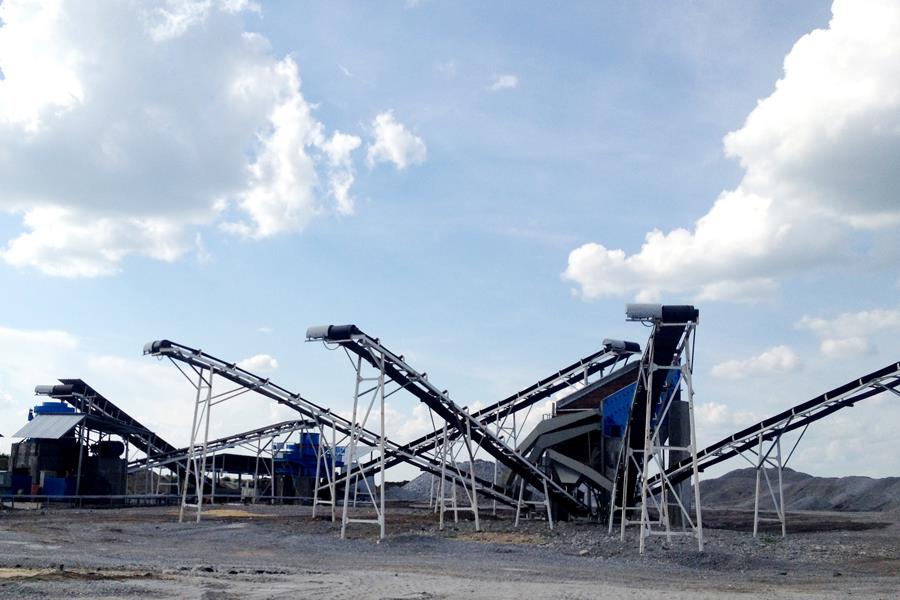
200-220 TPH Granite Mobile Jaw Crusher for Sale in Lagos Nigeria
-
How to Select a Vibrating Screen for Dry Limestone 180 TPH in Oman



