How to Improve Cone Crusher Liner Life for Copper Ore
For copper mines in Zambia and Peru, extending cone crusher liner life directly reduces cost per ton and increases plant availability. The question how to improve cone crusher liner life for copper ore is critical when processing abrasive copper ores such as chalcopyrite or bornite. A well‑maintained Type C cone crusher can achieve significantly longer liner life through proper material selection, operating practices, and regular monitoring. Below we share proven methods based on OCP Mechanical Company’s 40 years of experience.
Choose the Right Liner Alloy
The first step in how to improve cone crusher liner life for copper ore is selecting the optimal manganese alloy. Standard Mn14% liners work for moderately abrasive ore, but upgrading to Mn18%+Cr (18% manganese with 2% chromium) can increase wear life by 30‑50% in high‑silica copper ores. For extremely abrasive conditions (e.g., copper ores with quartz gangue), Mn22% liners offer even greater resistance, though at a higher upfront cost.
OCP offers Type C cone crusher liners in multiple alloys. Note: Product data are constantly updated; for the latest liner specifications, please contact our online customer service.
Many copper mines in the Zambian Copperbelt and the Peruvian Andes have switched from Mn14% to Mn18%+Cr, reducing annual liner replacement frequency from four to two sets per year.
Optimize Crusher Operating Parameters
Operating practices play a major role in how to improve cone crusher liner life for copper ore. Key adjustments include:
Maintain choke‑fed conditions – A full crushing chamber ensures even wear across the liner profile. Starving the crusher leads to localized wear (grooving) and reduces liner life by 20‑30%.
Avoid running at excessively tight CSS – Setting the closed side setting (CSS) too fine increases wear exponentially. For copper ore secondary crushing, a CSS of 16‑25 mm is a practical range. For tertiary crushing, 8‑14 mm is common.
Control feed gradation – Pre‑screening fines (material below CSS) before the cone crusher reduces liner wear from unnecessary crushing. A vibrating screen ahead of the cone can boost liner life by 10‑15%.
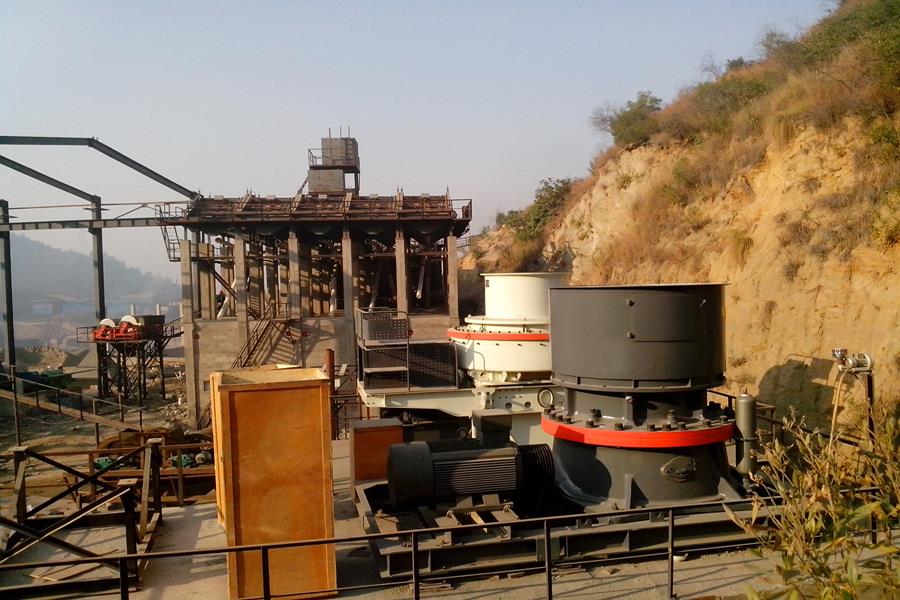
OCP’s Type C cone crusher features hydraulic CSS adjustment, allowing operators to easily maintain the optimal setting as liners wear. Many mines in Peru have reported 15‑20% longer liner life after implementing choke‑fed protocols.
The above values are for illustration only. OCP continuously improves its products. Contact our online team for the most current data sheet.
Monitor Wear Patterns and Rotate Liners
Routine inspection is another key to how to improve cone crusher liner life for copper ore. Measure liner wear every 200‑300 hours using a profile gauge. If one quadrant wears faster than others, check for feed segregation or uneven crusher speed. Some cone crusher designs allow turning of the mantle or bowl liner (if symmetrical) to distribute wear. This practice can add 20‑30% more life to a set of liners.
Also, keep a log of CSS adjustments and tons processed. This data helps predict liner replacement intervals and avoids unexpected downtime. OCP’s technical team can provide wear‑tracking templates and remote analysis.
As a direct‑selling manufacturer, OCP supplies factory‑priced Type C liners and keeps common profiles in local warehouses for copper mining regions.
Why OCP Is Your Partner for Copper Ore Crushing
Understanding how to improve cone crusher liner life for copper ore is essential for profitable mining. OCP Mechanical Company has over 40 years of history in crushing equipment. We offer:
Free pre‑sale liner alloy recommendation based on your copper ore sample.
A customized maintenance schedule and wear tracking support.
24/7 online technical assistance for CSS tuning and liner change procedures.
For a no‑obligation consultation and personalized advice on how to improve cone crusher liner life for copper ore for your mine in Zambia or Peru, simply click the live chat icon on this page. Our online customer service team is available 24 hours a day, 7 days a week, to answer your technical questions, provide free recommendations, and help you lower your cost per ton.