How to Control Dust in Sand Washing Plant
For sand producers in Nigeria and Ghana, controlling dust is essential for worker safety, environmental compliance, and good neighbor relations. Even in a sand washing plant, dust can be generated at feed hoppers, conveyors, stockpiles, and during material transfer. Knowing how to control dust in sand washing plant helps you reduce visible emissions and avoid fines. Below we explain practical measures and how OCP Mechanical Company supports West African operators with cost‑effective dust control solutions.
Identify Dust Sources in a Washing Plant
The first step in how to control dust in sand washing plant is to locate where dust escapes. Common sources include:
Feed hopper – Dumping dry sand or crushed rock into the hopper creates a plume of fine dust.
Conveyor transfer points – Material falling from one belt to another releases dust, especially if the sand is dry.
Screen decks – Vibrating action can throw fine particles into the air, even with water sprays.
Stockpile discharge – Dropping sand from a conveyor onto a pile generates dust as material impacts.
A sand washing plant reduces dust compared to dry screening, but it is not zero‑dust. Many operators overlook the feed area and stockpile, where dry material is still handled.
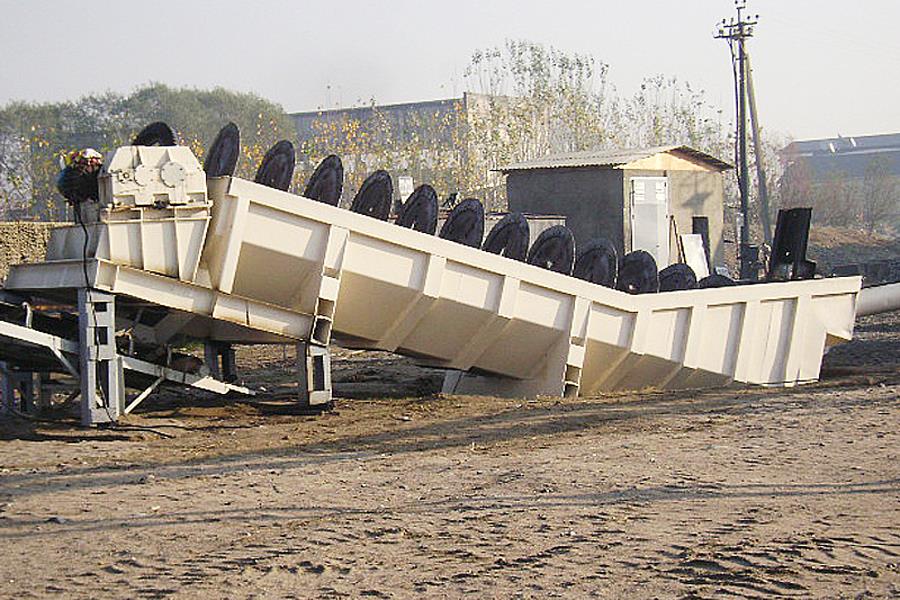
OCP offers dust control accessories for the Type W sand washing system, including water sprays, dust collection hoods, and enclosed conveyors. Note: Product data are constantly updated; for the latest specifications, please contact our online customer service.
Effective Dust Control Methods
There are three proven approaches for how to control dust in sand washing plant:
Water sprays at transfer points – Install fine‑mist nozzles at the feed hopper, screen feed, and conveyor discharge. Low‑pressure, high‑volume nozzles (0.5‑1 bar, 10‑20 L/min per point) can reduce dust by 70‑90% without making the product too wet. For a 150 tph plant, total water addition of 5‑10 m³/h is typical.
Enclose conveyors – Rubber skirts and metal covers on key transfer points prevent dust from escaping. Simple polyurethane curtains at the head and tail pulleys are a low‑cost option.
Dust collection (bag filter) – For dry feed hoppers or when water is scarce, a small bag filter (5,000‑10,000 m³/h) can capture dust at the hopper and screen. This is more expensive but recovers fines that can be sold as filler.
Many sand producers in Lagos and Accra have reduced dust complaints by 80% after adding water sprays at the three main transfer points. The cost of nozzles, piping, and a small pump is typically under $3,000.
The above values are for illustration only. OCP continuously improves its products. Contact our online team for the most current data sheet.
Operational Practices to Minimize Dust
Beyond equipment, how to control dust in sand washing plant includes daily practices:
Keep feed material damp – If your feed is dry stockpiled crushed rock, wet it lightly with a hose before dumping into the hopper. Even 2‑3% moisture dramatically reduces dust.
Minimize drop height – Adjust conveyor discharge chutes to drop sand as close as possible to the stockpile or onto a dead pile (sand‑on‑sand) to absorb impact.
Schedule maintenance – Clean up spilled material promptly; dried sand on walkways becomes a dust source when disturbed.
Train operators – Shut down conveyors before the screen stops to avoid empty belt whipping and dust generation.
OCP’s after‑sales team can provide a simple dust control checklist for your plant. Many quarries in Tema and Takoradi have reduced water usage for dust control by 30‑50% after implementing these operational changes.
As a direct‑selling manufacturer, OCP provides factory pricing on dust control components (nozzles, skirts, bag filters) with no middleman markup. We ship to Lagos, Tema, or Takoradi ports within 15‑20 days.
Why OCP Is Your Partner for Cleaner Sand Washing
Understanding how to control dust in sand washing plant helps you run a responsible, efficient operation. OCP Mechanical Company has over 40 years of history in sand washing and crushing equipment. We offer:
Free pre‑sale dust control assessment based on your plant layout and local climate.
A customized package of water sprays, covers, or bag filters tailored to your budget.
24/7 online technical support for installation and tuning.
Our Type W sand washing plants have been successfully deployed across West Africa, with integrated dust control features. Customers often highlight the cleaner site, lower water usage, and economical price.
For a no‑obligation consultation and personalized advice on how to control dust in sand washing plant for your operation, simply click the live chat icon on this page. Our online customer service team is available 24 hours a day, 7 days a week, to answer your technical questions, provide free recommendations, and help you produce sand responsibly.