How to clean a clogged sand screw washer with organic matter
For sand producers in Nigeria processing river sand or alluvial deposits, organic matter such as roots, algae, leaves, and decaying vegetation can accumulate inside a sand screw washer. Unlike clay or silt, organic debris tends to float, mat together, and wrap around the screw shaft, leading to reduced throughput, motor overload, and even damage to the gearbox. Knowing how to clean a clogged sand screw washer with organic matter helps you restore production quickly and prevent future blockages. OCP Mechanical Company, a factory‑direct manufacturer with over 40 years of experience, supplies Type W sand screw washers with easy‑clean access, backed by local support in Lagos and 24/7 online assistance.
Note: Product data are constantly updated; the latest specifications should be confirmed with our online customer service.
Recognizing the signs of organic clogging
Organic matter behaves differently from mineral fines. Signs that you need to clean a clogged sand screw washer with organic matter include:
Floating debris accumulating on the water surface inside the trough.
Reduced sand discharge despite normal motor current (the screw is turning but not lifting sand effectively).
Foul odor from decomposing vegetation trapped in the screw.
Visible roots or fibrous material wrapped around the screw shaft when inspected.
Intermittent stalling or motor current spikes as the screw struggles to cut through matted debris.
If you notice any of these symptoms, stop the washer immediately. Running with organic clogs can damage the screw flights, shaft seals, and gearbox.
Step‑by‑step cleaning procedure for organic clogs
Follow this practical guide for how to clean a clogged sand screw washer with organic matter safely and effectively:
Step 1 – Shut down and lock out power
Isolate the motor and conveyor feeds. Drain water from the trough by opening the drain plug or lowering the weir. Allow the washer to cool.
Step 2 – Remove large debris manually
Open the inspection doors at the lower end of the trough. Use a rake, a long‑handled hook, or a shovel to pull out floating mats of roots, leaves, and vegetation. Place debris in a container for disposal. Never put your hands inside while the screw could move.
Step 3 – Use a high‑pressure water jet
Direct a pressure washer (100‑150 bar) along the screw shaft and between the flights to dislodge organic fibers that are tightly wrapped. Work from the discharge end toward the feed end. For stubborn roots, a narrow nozzle with a rotating tip can cut through the material.
Step 4 – Reverse the screw (if equipped)
Some Type W screw washers have a reversible drive. Run the screw backward for 10‑15 seconds at low speed to unwind fibrous material. Repeat 2‑3 times, then re‑engage forward direction to flush out loosened debris.
Step 5 – Flush with water only
Restart the washer in forward direction with water only (no feed). Run for 3‑5 minutes to wash out any remaining organic particles. Observe the overflow; it should be free of floating debris.
Step 6 – Resume production
Feed sand at 50% rate for 10 minutes, then gradually increase to full capacity while monitoring motor current and sand discharge.
Many Nigerian sand producers have reduced cleaning time from several hours to under 90 minutes by using a pressure washer and reversing the screw.
Preventive measures to avoid organic clogs
To reduce the frequency of cleaning, follow these practices:
Install a trash screen or vibrating scalper ahead of the screw washer to remove roots, leaves, and vegetation before they enter the screw. A simple static screen with 10‑20 mm openings can catch most organic debris.
Avoid feeding sand from areas with heavy vegetation – stockpile and allow organic matter to decompose or be removed manually.
Run a freshwater flush at the end of each shift – for 2‑3 minutes with no feed to push out any floating debris.
Inspect the feed chute weekly – remove any accumulated plant material.
Use a flocculant – In some cases, a small dose of anionic polymer can help clump organic fines so they overflow instead of wrapping around the screw.
OCP can supply a trash screen attachment for the feed hopper. Many Nigerian sand plants have reduced organic clogging by 80% after installing a simple scalping screen.
Why OCP is your trusted partner for sand screw washer maintenance in Nigeria
Mastering how to clean a clogged sand screw washer with organic matter keeps your sand plant running profitably. OCP Mechanical Company has four decades of experience in sand processing equipment for the African market. Our 24/7 online team helps with cleaning procedures, drive reversal, and troubleshooting. We keep common wear shoes, bearings, and access door seals in our Lagos warehouse for fast delivery. We invite you to request a no‑obligation quote and a clog‑resistant washer design.
For a no‑obligation consultation on how to clean a clogged sand screw washer with organic matter, simply click the live chat icon on this page. Our online customer service team is available 24 hours a day, 7 days a week, to provide free technical advice, equipment recommendations, and cleaning guidance – helping you produce clean sand despite organic contamination.
-
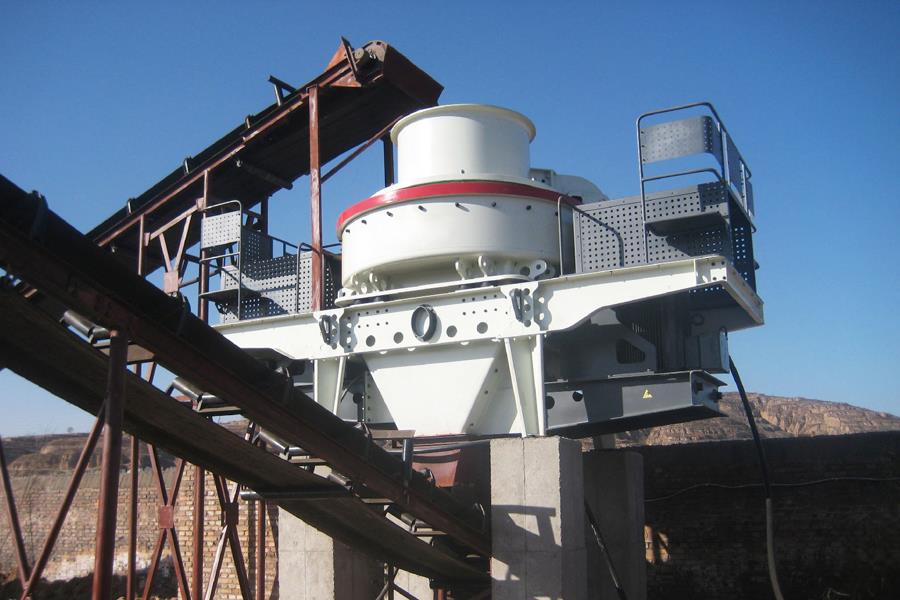
Factory direct price of mobile impact crusher for limestone 148 tph in Tanzania
-
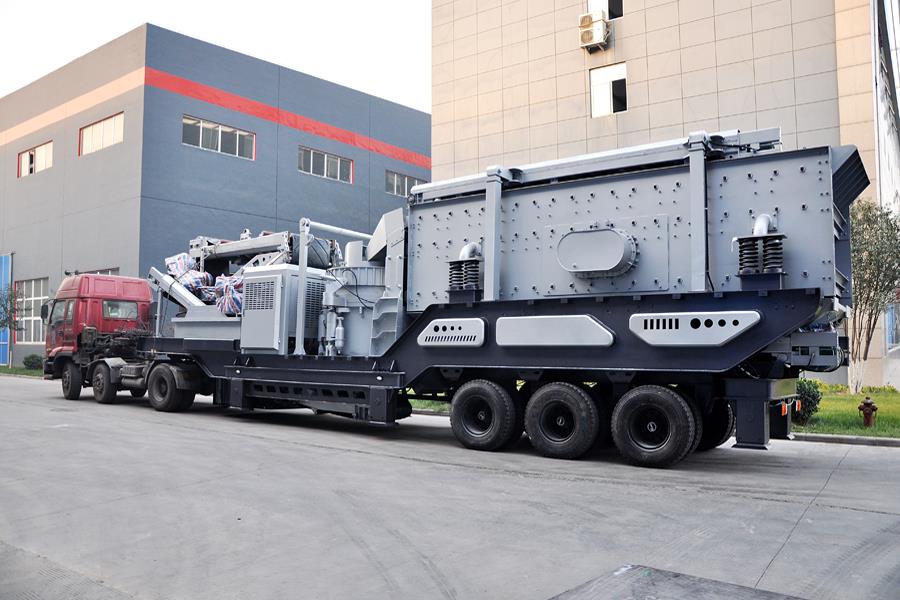
Order VSI rotor assembly for sand from basalt 88 tph in Vietnam
-
Tips for extending blow bar life in impact crusher for abrasive rock
-
-