
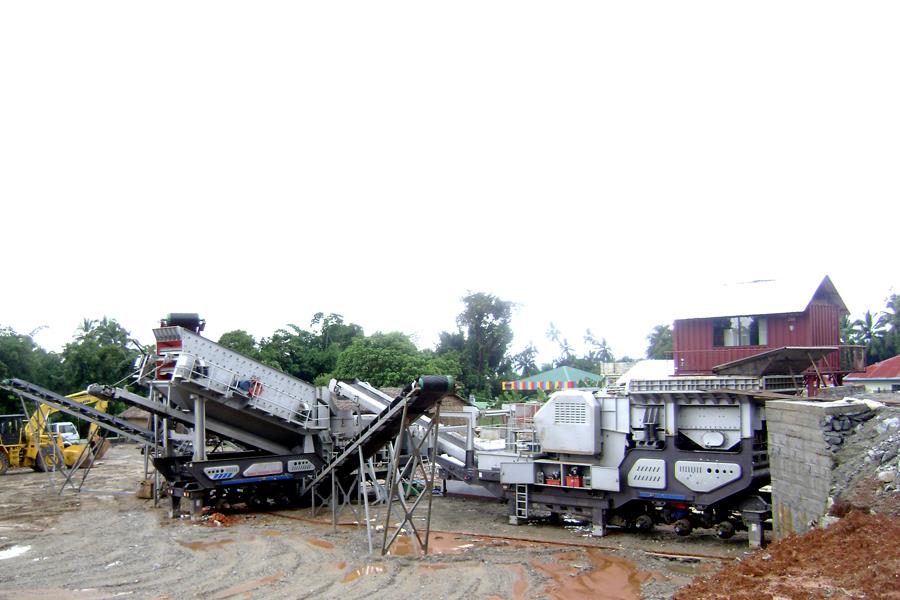
How to clean a clogged sand screw washer with clay
For sand producers in Nigeria and Indonesia, clay contamination is a common challenge. When processing river sand or manufactured sand from soft rock, clay particles can bind together and form sticky deposits inside the screw washer. A clogged sand screw washer reduces throughput, increases motor current, and can damage the gearbox or screw shaft if left uncleared. Knowing how to clean a clogged sand screw washer with clay minimizes downtime and prevents costly repairs. OCP Mechanical Company, a factory‑direct manufacturer with over 40 years of experience, supplies Type W screw washers with easy‑clean access, backed by local support and 24/7 online assistance.
Note: Product data are constantly updated; the latest specifications should be confirmed with our online customer service.
Recognizing the signs of a clay clog
Before you clean, you must identify that clay is the cause. Common indicators include:
Reduced or zero sand discharge at the upper end.
Motor current spikes or the screw stalls.
Water overflowing the weir with little sand movement.
Visible clay buildup on the screw flights or trough walls when inspected.
A drop in production of 30‑50% without any change in feed rate.
If you notice these symptoms, stop the washer immediately. Running a clogged screw can bend the shaft, damage the gearbox, or break the screw flights – repairs that cost far more than a cleaning procedure. Many sand plants in Lagos and Jakarta have prevented major damage by acting as soon as they saw the first sign of reduced discharge.
Step‑by‑step cleaning procedure for clay clogs
Follow this practical guide for how to clean a clogged sand screw washer with clay safely and effectively:
Step 1 – Shut down and lock out power
Isolate the motor and conveyor feeds. Drain water from the trough by opening the drain plug or lowering the weir. Allow the washer to cool if it has been running.
Step 2 – Reverse the screw (if equipped)
Some Type W screw washers have a reversible drive. Run the screw backward for 10‑20 seconds. This can dislodge soft clay clogs. Do not run backward for more than 30 seconds, as it may unscrew the shaft coupling.
Step 3 – Open inspection doors
Most OCP screw washers have access doors at the lower end and along the trough. Open them to expose the clogged area.
Step 4 – Break up the clay using high‑pressure water
Use a pressure washer (100‑200 bar) with a narrow nozzle to cut through clay deposits. Direct the jet at an angle to wash clay toward the overflow weir. For stubborn, dried clay, a long‑handled shovel or digging bar may be needed. Never put your hands inside while the screw could move.
Step 5 – Flush the trough
Restart the washer in forward direction with water only (no feed). Run for 2‑3 minutes to wash out loose debris. Check that water flows freely over the weir and that sand discharges normally.
Step 6 – Resume production gradually
Feed sand at 50% rate for 10 minutes, then increase to full capacity while monitoring motor current.
Many sand producers in Nigeria’s Ogun State and Indonesia’s West Java have reduced cleaning time from hours to under one hour using high‑pressure water and regular access door cleaning.
Preventive measures to avoid clay buildup
Prevention is better than cure. To reduce the frequency of how to clean a clogged sand screw washer with clay, follow these practices:
Install a desliming screen ahead of the washer – A vibrating screen with 0.5‑1.0 mm apertures removes clay and silt before they enter the screw. This single measure can reduce clogs by 70‑80%.
Control feed rate – Do not exceed the screw washer’s rated capacity (e.g., 80 tph for Type W-80). Overloading forces clay against the trough walls, promoting buildup.
Optimize water flow – Maintain a water‑to‑solids ratio of 1.5‑2:1. Insufficient water allows clay to settle and harden.
Clean nozzles weekly – Clogged spray bars reduce washing effectiveness. Use a descaling solution or replace worn nozzles.
Run a freshwater flush at end of shift – Before shutting down, run the washer with only water for 2‑3 minutes to clear residual clay.
OCP’s Type W screw washer is designed with bolt‑on polyurethane wear shoes and easily accessible inspection doors. Regular preventive maintenance extends screw life and reduces cleaning downtime.
Special considerations for high‑clay feeds
In regions where clay content exceeds 20% (common in some Nigerian and Indonesian river deposits), a single screw washer may not be sufficient. Consider these upgrades:
Twin‑shaft screw washer – Two intermeshing screws provide additional scrubbing action, breaking up clay agglomerates more effectively.
Attrition scrubber ahead of the screw – A high‑energy scrubber (with paddles) disperses clay before the sand enters the washer.
Hydrocyclone pre‑classification – Removes clay‑laden fines before the screw, reducing the load on the washer.
OCP offers all these options as part of a complete sand washing line. Our engineers can test your sand sample and recommend the optimal clay removal configuration.
Why OCP is your trusted sand washer supplier for clay‑prone regions in Nigeria and Indonesia
Mastering how to clean a clogged sand screw washer with clay keeps your sand plant running profitably. OCP Mechanical Company has four decades of experience in sand processing equipment for challenging materials. Our 24/7 online team helps with cleaning procedures, weir adjustment, and troubleshooting. We keep common wear shoes, bearings, and access door seals in our Lagos and Jakarta warehouses for fast delivery. We invite you to request a no‑obligation quote and a clay‑resistant washer design.
For a no‑obligation consultation on how to clean a clogged sand screw washer with clay, simply click the live chat icon on this page. Our online customer service team is available 24 hours a day, 7 days a week, to provide free price quotes, equipment recommendations, and cleaning advice – helping you produce clean sand despite high clay content.
-
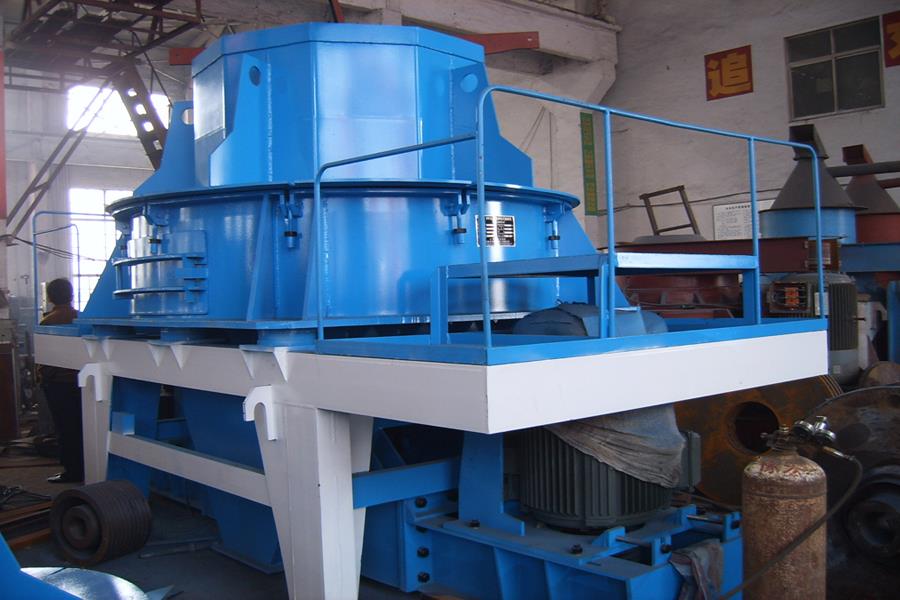
Factory direct price of mobile impact crusher for basalt 155 tph in Kenya
-
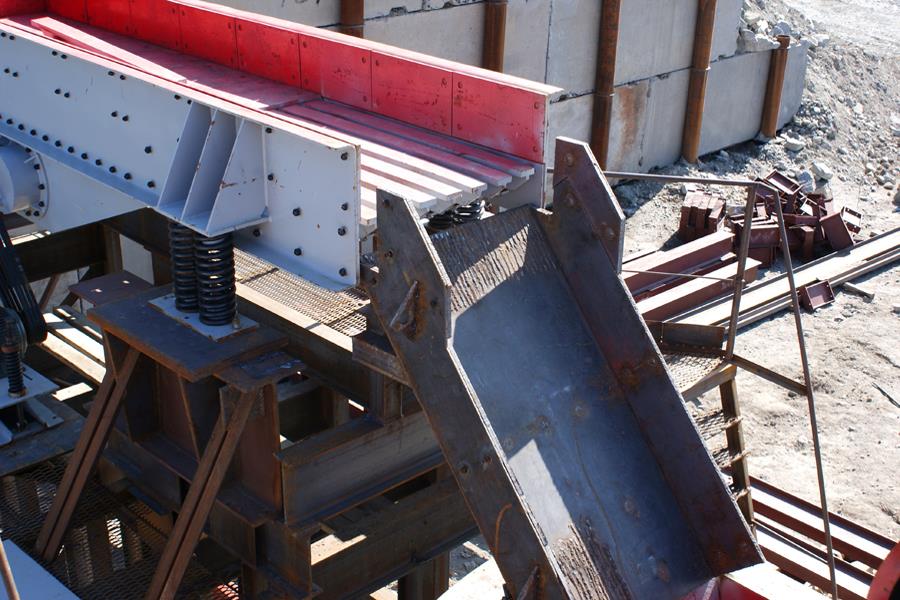
Order VSI rotor assembly for sand from river pebble 95 tph in Vietnam
-
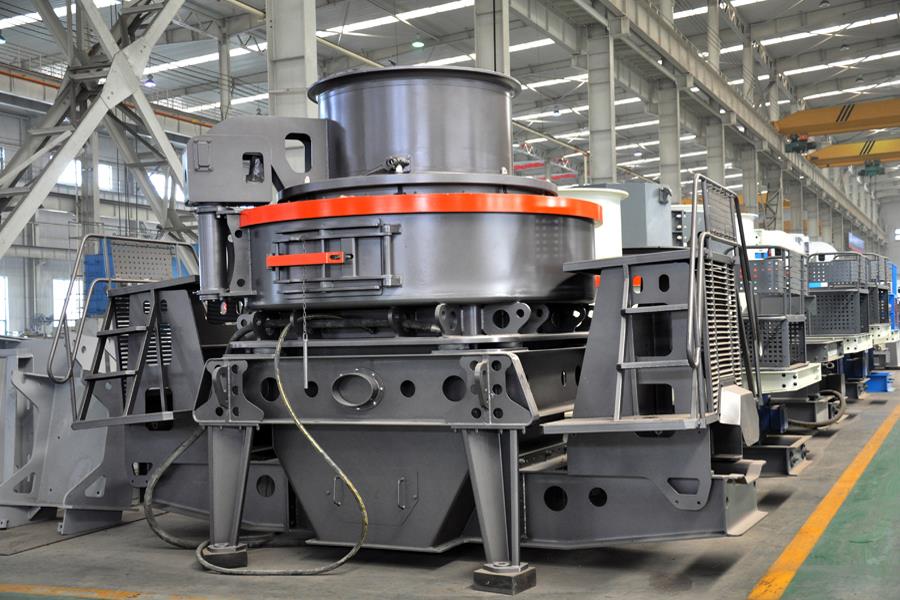
Tips for extending blow bar life in impact crusher for high silica
-
-
Need cone crusher spare parts (mantle and concave) for copper ore in Zambia