
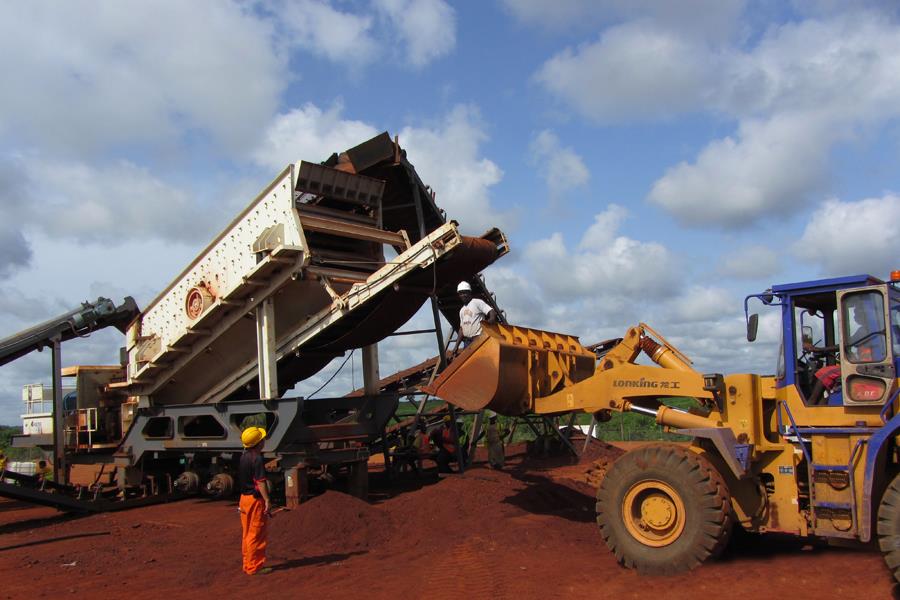
How to Choose the Right Rock Crusher Model Based on Production Requirements
Rock crushers, also known as stone crushers, are primarily used to break down rocks of various sizes into aggregate of different specifications. With a wide variety of equipment available and varying production requirements, output capacity is a critical factor in selecting the right machine. So, how exactly should you choose the appropriate rock crusher model based on your production needs?
Rock pieces are generally quite large, which can lead to material blockages. Given the wide variety and widespread distribution of rock types, the requirements for equipment are higher. Machines capable of handling large feed sizes and high crushing ratios are needed. We recommend jaw crushers, impact crushers, cone crushers, and hammer crushers, which offer hourly capacities ranging from 1 to 3,000 tons. With dozens of models available, the appropriate choice is typically made based on production requirements. Additionally, factors such as material properties, particle size, budget, and site conditions must be considered. For specific rock crusher models and parameter tables, please contact our customer service team.
01 Jaw Crusher
Generally used for primary crushing, this machine is suitable for materials with larger feed sizes. Its core components consist of a pair of movable and fixed jaw plates. An electric motor drives an eccentric shaft, causing the movable jaw to perform periodic reciprocating motion. This action exerts squeezing and splitting forces on the material to complete the crushing process. The deep crushing chamber eliminates dead zones, and optimized motion parameters ensure a large lower stroke and a higher crushing ratio. Additionally, a wedge-type adjustment mechanism is used to control the discharge opening, ensuring adjustable and uniform final product particle size. The integrated structure of the motor base and main unit simplifies installation and saves space.
02 Impact Crusher
A high-speed rotating rotor drives the impact plates to crush the rock fed into the crushing chamber through impact. Subsequently, the material undergoes secondary impact, friction, and fracturing on the impact plate, achieving fine crushing. The equipment’s unique wedge-locking system ensures the stability and reliability of the impact plates during high-speed rotor operation. Additionally, the built-in adjustment mechanism facilitates the adjustment of discharge particle size, ensuring excellent shape and particle size distribution of the finished aggregate.
03 Cone Crusher
Its operating principle is based on the mutual compression between the internal moving cone and the fixed cone. Different chamber types can be selected to better meet user needs. Product particle size is controlled by adjusting the discharge opening. It features high crushing force, high efficiency, strong wear resistance, comprehensive overload protection, and is easy to automate, effectively reducing damage to the equipment caused by non-crushable materials.
04 Hammer Crusher
As an upgraded model, it features a large feed opening and can serve as both a primary crusher and a secondary/tertiary crusher. Its modular design allows for conversion by simply changing the chamber type, streamlining the process flow and minimizing the footprint. The screenless design enables the crushing of wet materials. The finished product contains no flakes or smooth surfaces; its angular and polygonal shape ensures high compressive strength. Furthermore, the self-flow design incorporates adjustable gaps in the impact plates of the shaping zone, allowing materials smaller than the gaps to flow out naturally, thereby avoiding re-crushing. This not only boosts production capacity but also significantly reduces the powder yield.
Prices for rock crushers vary significantly in the current market. When making a selection, factors such as production capacity, model choice, processing technology, brand premium, and configuration level all influence pricing, so careful evaluation is essential.
As a long-established enterprise with four decades of production experience, OCP Machinery has consistently adhered to a direct manufacturing and sales model since its inception, eliminating middlemen to ensure fair, transparent pricing with no hidden fees. Additionally, during the equipment manufacturing process, we strictly control the selection of raw materials and pay meticulous attention to craftsmanship details, thereby providing customers with more reliable products. For inquiries regarding rock crusher prices, please feel free to contact us online. We will assign a manager to assist you and offer multiple discounts!
-
-
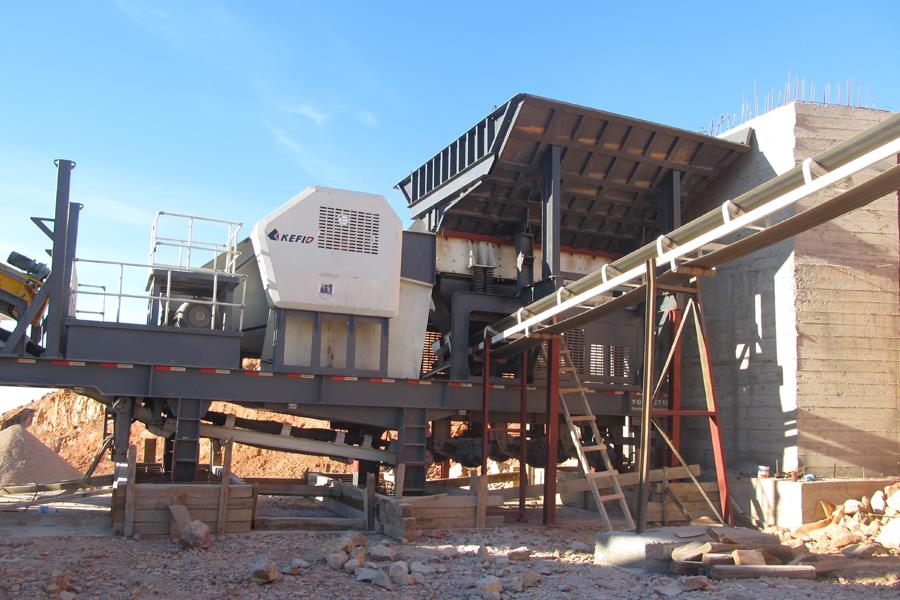
What Types of Sand-Making Machines Are Available for Granite
-
-
-
How Different Are Sand-Making Processes Using Impact Crushers and Cone Crushers