
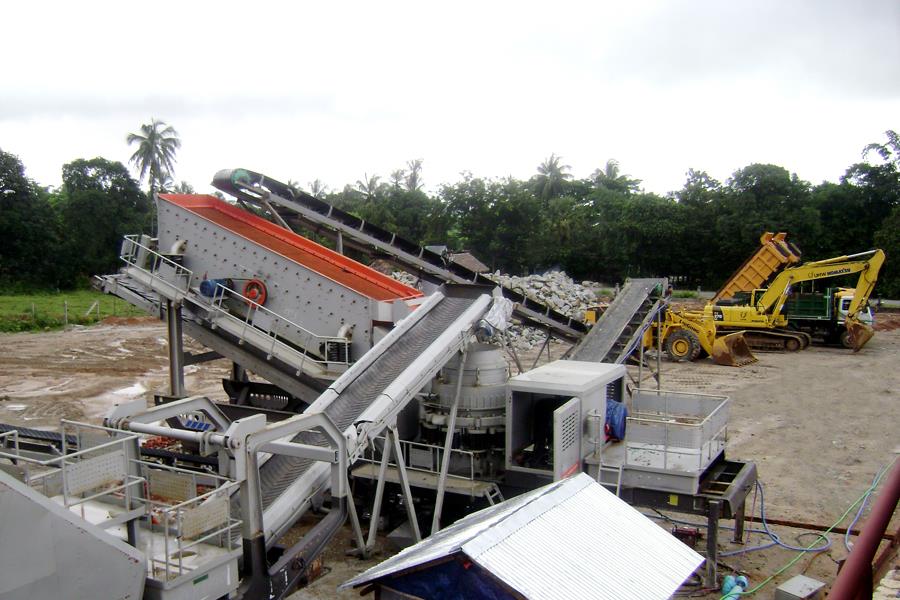
How to automate a sand washing plant for manufactured sand 175 tph
For sand producers in Saudi Arabia and Australia, automating a 175 tph manufactured sand washing plant can significantly reduce labor costs, improve product consistency, and lower water consumption. Manual control of screw washers, hydrocyclones, and dewatering screens often leads to inconsistent fines removal, higher water usage, and unplanned downtime. Knowing how to automate a sand washing plant for manufactured sand 175 tph helps you achieve stable product quality while reducing operator intervention. OCP Mechanical Company, a factory‑direct manufacturer with over 40 years of experience, supplies Type W automated sand washing systems with PLC control, backed by 24/7 online support.
Note: Product data are constantly updated; the latest specifications should be confirmed with our online customer service.
Why automation is essential for high‑capacity manufactured sand washing
Manufactured sand from VSI crushers typically contains 15‑25% fines (below 0.075 mm), which must be reduced to 5‑10% for concrete specifications. Manual adjustment of weir height, screw speed, and water flow cannot keep up with feed variations. Automated washing uses sensors and a PLC to continuously adjust parameters, maintaining target product quality. When you learn how to automate a sand washing plant for manufactured sand 175 tph, you gain: consistent fines content (e.g., 6‑8% with minimal variance), reduced water consumption (by 10‑20% through automated flow control), and lower labor costs (one operator can monitor multiple plants). Many sand plants in Riyadh and Perth have implemented automation, reporting quality improvements and reduced rework.
Key components of an automated sand washing system
To understand how to automate a sand washing plant for manufactured sand 175 tph, start with the essential sensors and actuators:
Density meter (slurry) – Mounted in the feed line to measure solids percentage. Sends signal to PLC.
Flow meter – Measures water addition to the screw washer or hydrocyclone.
Level sensor – In the screw washer trough, monitors sand bed depth.
Motor speed control (VFD) – For screw shaft and pump motors.
Pressure sensors – For hydrocyclone feed pumps.
PLC with HMI (touchscreen) – Central control panel with data logging and remote access.
These components allow the system to automatically adjust water flow, screw speed, and underflow valve position to maintain target fines content. OCP’s Type W-175 automated washer includes all these as standard options.
Step‑by‑step: how automation improves each stage of washing
1. Feed density control – The density meter measures slurry solids. If solids exceed 30%, the PLC increases water addition or slows the feed pump. If solids drop below 20%, water flow reduces, preventing sand loss.
2. Screw washer speed control – The VFD adjusts screw speed based on product moisture sensor readings. Lower speed increases retention time for finer sand; higher speed boosts throughput for coarser sand. Automation maintains optimal speed without operator guesswork.
3. Hydrocyclone pressure regulation – For plants using cyclones, pressure sensors maintain the ideal feed pressure (typically 1‑1.5 bar). The PLC adjusts the pump VFD to keep pressure constant, ensuring a consistent cut size (e.g., 0.045 mm).
4. Weir overflow control – A level sensor in the screw trough adjusts the weir gate position to control the overflow height. Higher weir reduces fines removal; lower weir increases fines removal. The PLC finds the balance point for your target product.
5. Dewatering screen monitoring – Vibration sensors detect screen blinding or uneven material distribution. Alerts trigger before quality degrades.
6. Water recycling management – Pressure and flow sensors on the settling tank return pump ensure consistent wash water quality. The PLC automatically backwashes filters based on differential pressure.
All price information in this article is for reference only; contact our team for a current, site‑specific quote.
A complete automation package for a 175 tph sand washer adds 25,000‑50,000 to the base equipment cost, but often pays back within 6‑12 months through labor savings (reducing operator headcount by 1‑2 per shift) and reduced water consumption.
How to integrate automation into an existing sand washing plant
You can retrofit automation to an existing plant. Follow these steps to implement how to automate a sand washing plant for manufactured sand 175 tph:
Audit your current process – Identify where manual adjustments are most frequent (e.g., weir height, water flow).
Install sensors – Start with a density meter and flow meter on the feed line. Connect them to a basic PLC.
Add VFDs – Install on the screw washer motor and water pump. This allows remote speed control.
Implement closed‑loop control – Program the PLC to adjust water flow based on feed density. This single loop often delivers the largest quality improvement.
Expand to full automation – Add level sensors, weir actuators, and hydrocyclone pressure control over time.
OCP provides remote programming and commissioning support. Many Saudi and Australian plants have phased in automation over 1‑2 months, achieving full control without long shutdowns.
Benefits specific to Saudi and Australian operations
In Saudi Arabia, water is scarce. Automated systems reduce fresh water consumption by precisely matching water flow to solids content – typically saving 10‑20% compared to manual operation. In Australia, remote site monitoring is a valuable advantage. OCP’s PLC can be connected to a secure web portal, allowing plant managers to monitor production from any location and receive alerts for maintenance issues. Both markets benefit from lower labor costs – a single operator can supervise multiple automated washers, reducing wage expenses.
Why OCP is your partner for automated sand washing plants
Mastering how to automate a sand washing plant for manufactured sand 175 tph requires both reliable hardware and responsive support. OCP Mechanical Company has four decades of experience in sand processing equipment and control systems. Our 24/7 online team helps with sensor selection, PLC programming, and troubleshooting. We invite you to request a no‑obligation quote and automation assessment.
For a no‑obligation consultation on how to automate a sand washing plant for manufactured sand 175 tph, simply click the live chat icon on this page. Our online customer service team is available 24 hours a day, 7 days a week, to provide free price quotes, equipment recommendations, and automation advice – helping you wash manufactured sand more efficiently and profitably.
-
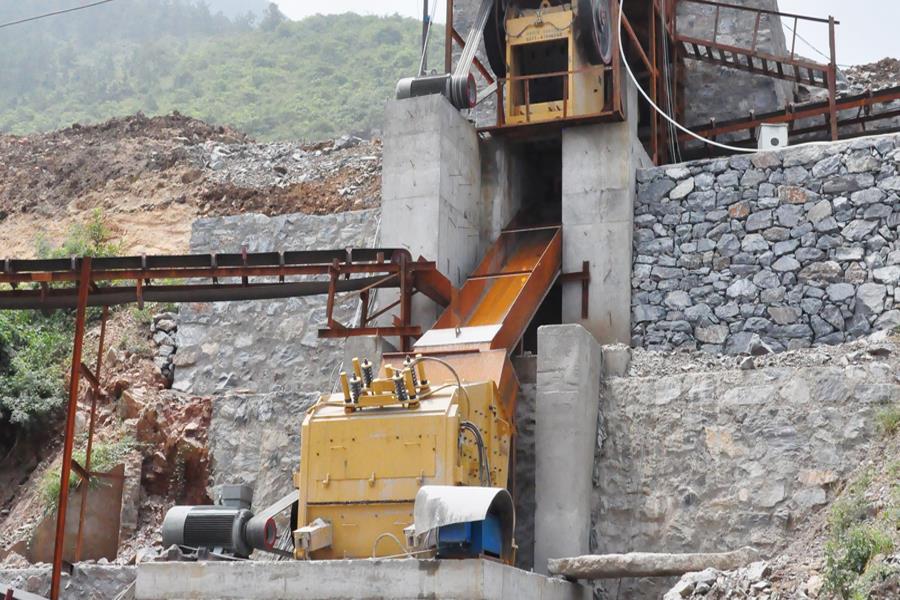
Price of vibrating screen for aggregate 425 tph in Saudi Arabia
-
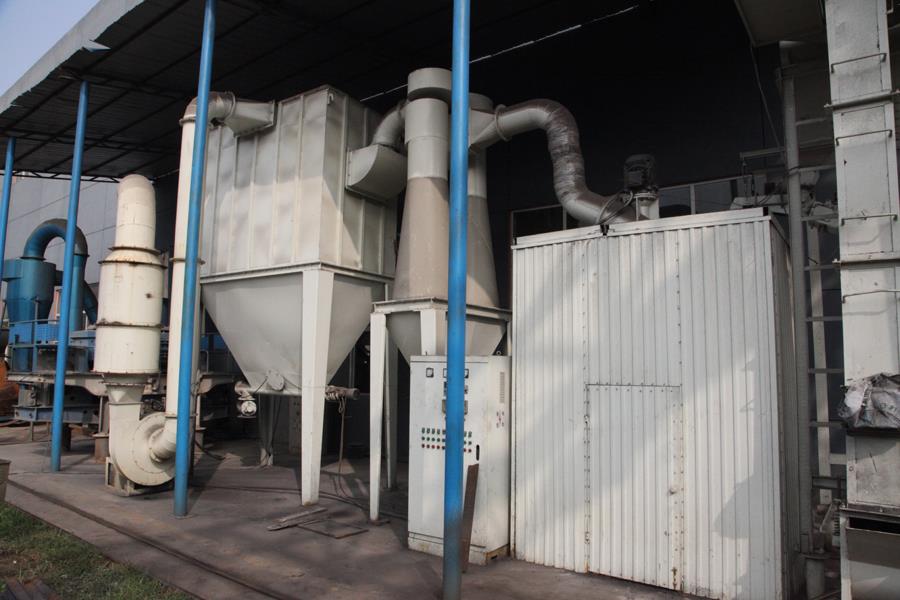
Buy a mobile impact crusher for demolition waste 115 tph in Germany
-
-
-
How to reduce wear on cone crusher concave for nephrite 85 tph