
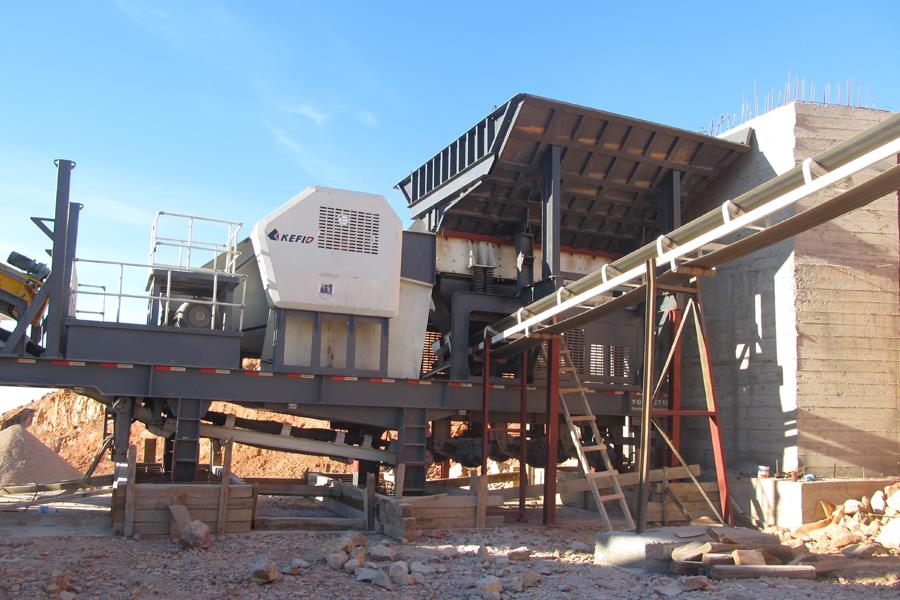
How to automate a jaw crusher with load sensing hydraulics
For crushing plant operators in North America, automating a jaw crusher with load sensing hydraulics is a proven way to improve fuel efficiency, reduce liner wear, and protect the crusher from damage. Traditional jaw crushers rely on manual adjustment and operator intuition to maintain optimal feed rates and closed side settings (CSS). Load sensing hydraulics changes this by using real‑time pressure feedback to automatically adjust feeder speed and crusher settings, keeping the machine operating at its most efficient point. Understanding how to automate a jaw crusher with load sensing hydraulics helps you lower operating costs, extend equipment life, and reduce the risk of costly unplanned downtime.
Note: Product data are constantly updated; the latest specifications should be confirmed with our online customer service.
What is load sensing hydraulics and why it matters for jaw crushers
Load sensing hydraulics is a control system that continuously monitors the hydraulic pressure required to drive the crusher and adjusts pump output to match the actual demand. In a jaw crusher, this means the system detects when the crusher is working hard—such as when crushing hard rock or oversized feed—and automatically increases hydraulic flow to maintain crushing force. When the load decreases, the system reduces flow, saving energy and reducing heat generation. This is a highly reliable approach because it responds in real time to changing feed conditions, preventing both under‑feeding and overload situations. The result is a crusher that runs smoother, uses less fuel, and produces a more consistent product.
How load sensing automation improves crusher performance
When you automate a jaw crusher with load sensing hydraulics, several key functions become automated. First, the feeder speed is regulated based on crusher load. Pressure sensors in the hydraulic system detect the load on the jaw, and the control system adjusts the feeder rate to maintain a choke‑fed condition—keeping the crushing chamber full without overloading the crusher. This is often referred to as a “load sensing jaw” system, where feeder rate can be regulated manually or automatically by the load sensing control.
Second, the closed side setting (CSS) can be adjusted hydraulically with push‑button control. This eliminates the need for manual shim adjustments, significantly reducing safety risks for operators and maintenance teams. The hydraulic power unit allows true push‑button CSS adjustments, removing the need for manual intervention and cutting safety risks for operators and maintenance crews. During operation, the CSS is monitored and automatically adjusted to ensure consistent output quality.
Key benefits for North American operations
For quarries and mines across the United States and Canada, automating a jaw crusher with load sensing hydraulics delivers measurable advantages. Fuel consumption is a major operating cost, and load sensing systems have been shown to reduce energy consumption by an average of 29% compared to non‑load‑sensing systems. This translates directly to lower fuel bills and reduced emissions. Additionally, automatic CSS adjustment eliminates the downtime previously required for manual shim changes, and the system automatically opens the jaws to release uncrushable material, then resets itself to the original setting. This protection reduces the risk of damage from tramp metal and other contaminants, extending crusher life and reducing repair costs.
How to implement load sensing automation on your jaw crusher
Implementing load sensing automation on an existing jaw crusher typically involves retrofitting a hydraulic power unit, pressure sensors, a control valve, and a programmable logic controller (PLC) with a human‑machine interface (HMI). The sensors are installed on the hydraulic lines to monitor pressure, and the PLC is programmed to adjust feeder speed based on load feedback. For new crushers, many manufacturers now offer load sensing hydraulic systems as factory‑installed options. The integration also allows for remote monitoring and fault‑finding, making servicing easier and streamlining control.
OCP Mechanical Company supplies Type J jaw crushers with integrated load sensing hydraulic systems and automation packages designed for North American hard rock conditions. We also offer retrofit kits for existing crushers. All price information in this article is for reference only; contact our team for a current, site‑specific quote.
Why OCP is your partner for jaw crusher automation
Automating a jaw crusher with load sensing hydraulics is a strategic upgrade that reduces operating costs and improves safety. OCP Mechanical Company has four decades of experience in crushing equipment and control systems for the North American market. Our 24/7 online team helps with automation planning, PLC programming, and troubleshooting. We invite you to request a no‑obligation quote and automation assessment.
For a no‑obligation consultation on how to automate a jaw crusher with load sensing hydraulics, simply click the live chat icon on this page. Our online customer service team is available 24 hours a day, 7 days a week, to provide free technical advice, automation recommendations, and retrofit support – helping you modernize your jaw crusher for the digital age.
-
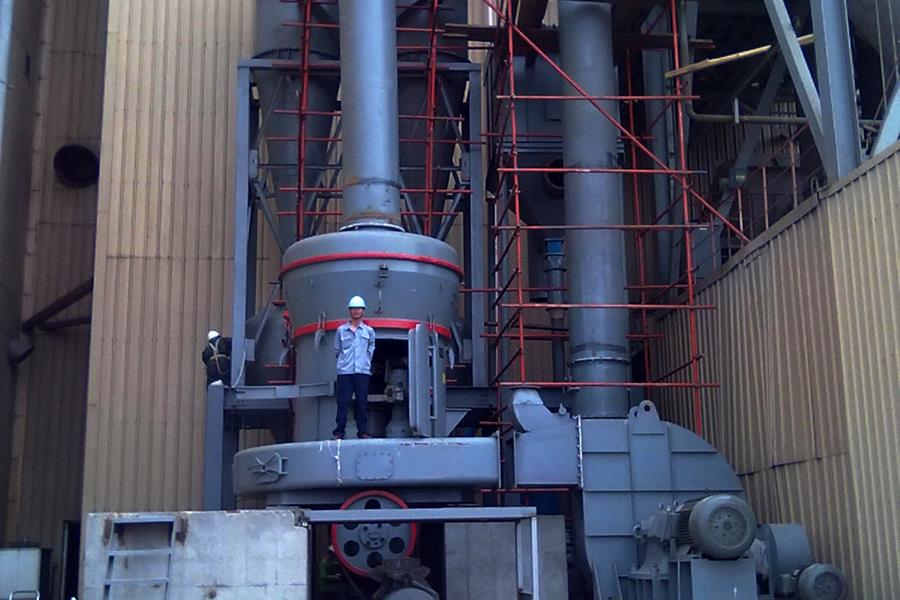
Factory direct price of cone crusher for beryl 75 tph in Minas Gerais Brazil
-
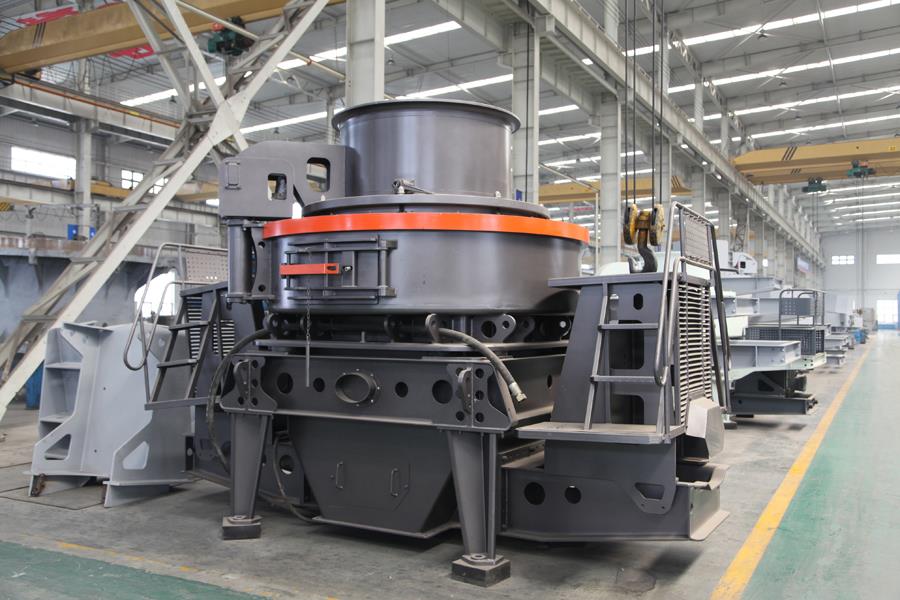
Which mobile crusher for tar sands 125 tph in Alberta Canada
-
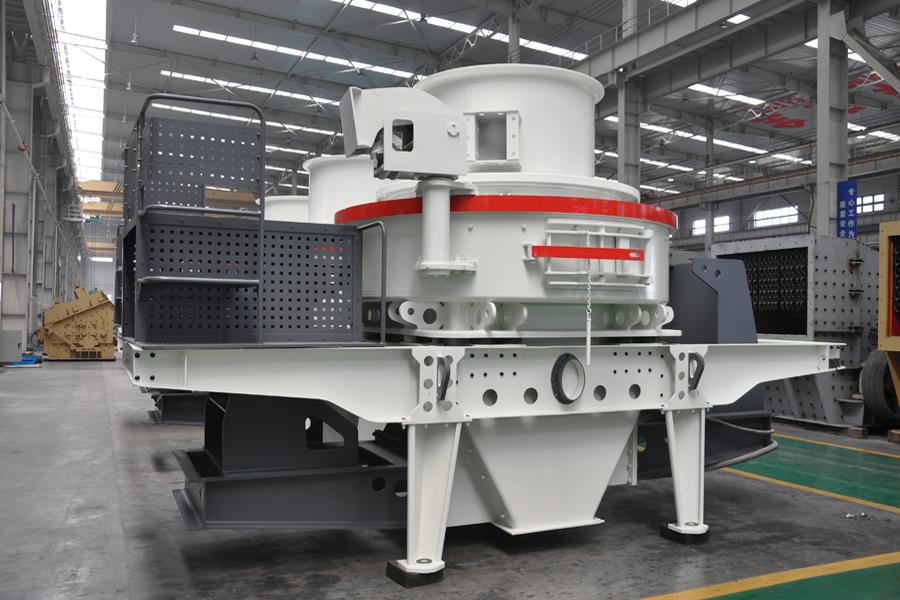
Cost of setting up a VSI sand line for lherzolite 65 tph in UAE
-
Where to buy a used jaw crusher for andesite 170 tph in Peru
-
How to reduce water usage in sand screw washer with hydrocyclone