
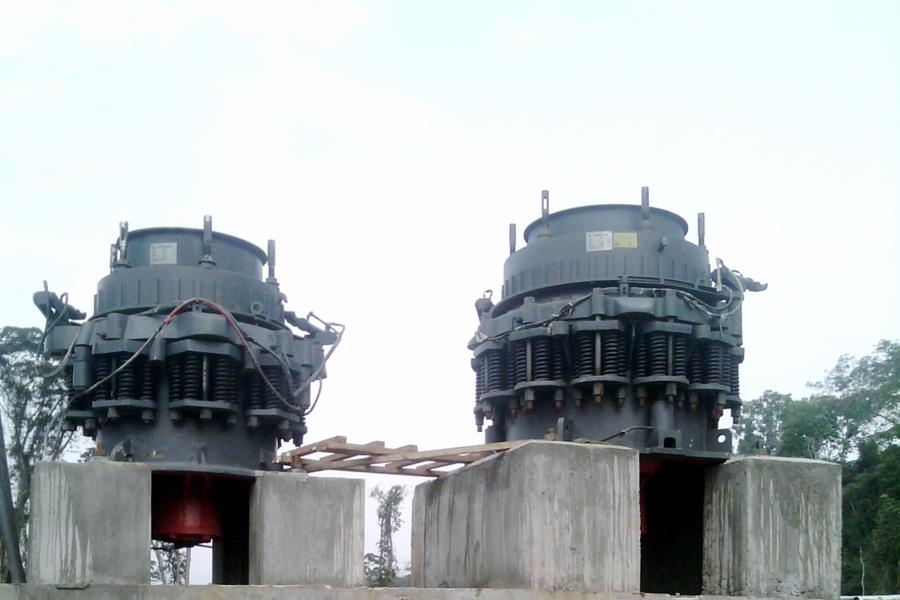
How to Address Elevated Oil Temperature in Cone Crushers
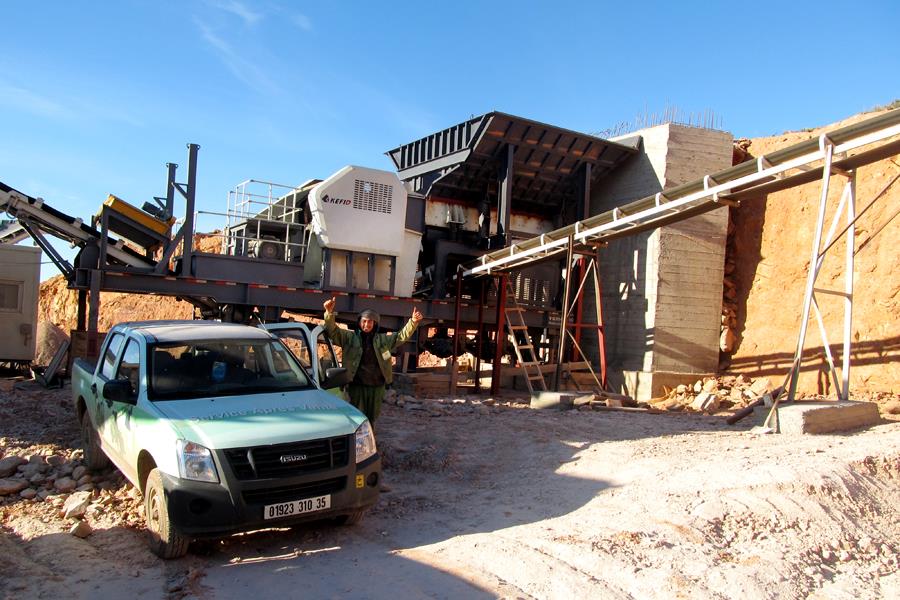
Cone crushers typically operate in open-air environments, making them susceptible to weather conditions, extreme temperatures, and seasonal rains that impact equipment performance. High temperatures pose specific risks to the engines, hydraulic systems, and electrical circuits of crushing machinery in mining operations. Prolonged operation under high temperatures degrades the lubrication system's performance, accelerates oil deterioration, and increases wear on transmission components like the chassis. It also adversely affects exterior paint coatings, braking systems, clutches, throttle controls, and metal structures.
Under normal oil temperatures, the hydraulic oil in crushers maintains optimal performance. Excessive heat, however, induces multiple adverse effects: viscosity decreases, lubricating oil films thin and become prone to disruption, lubrication efficiency declines, volumetric efficiency of the crusher drops, mechanical wear intensifies, rubber seals age rapidly, and sealing integrity diminishes. Therefore, maintaining system oil temperatures within normal ranges is essential during operation. To achieve this, implement the following measures:
1. Regularly clean the system. Lubricating oil for cone crushers is typically replaced every three months. During replacement, thoroughly clean all components of the lubrication system to ensure cleanliness. Additionally, regularly clean the cooling device to maintain its optimal operating condition.
2. Inspect lubricant integrity (normal replacement interval is 2000 operating hours). Analyze oil samples for copper (Cu), iron (Fe), moisture, dust content, and viscosity index. Elevated Cu/Fe levels indicate abnormal internal wear. Excessive moisture or dust requires identifying contamination sources. Replace lubricant immediately if contamination or degradation is detected.
3. Maintain proper oil levels. During operation, regularly inspect the cone crusher's lubrication system for leaks and ensure the oil tank maintains adequate oil volume to sustain sufficient circulating cooling fluid.
4. Enhance the cooling system. Effective cooling is essential to reduce oil temperature rise. Relying solely on operator experience to decide whether to activate heaters or cooling water based on seasonal or climatic changes is unreliable. Therefore, install resistance probes on the cone crusher's temperature control system to transmit oil temperature signals to an AI regulator. This ensures timely cooling when the crusher's oil temperature rises.
5. Inspect the contact between the spherical bearing surface and the main shaft body. If the spherical bearing has a large contact area but poor contact quality, Due to prolonged use of the main shaft body, the outer spherical surface has worn severely, grinding down to the non-contact step of the lower spherical surface. This causes the inner non-contact spherical surface of the shaft body to contact the bowl-shaped bearing, leading to elevated oil temperatures. Immediately replace the main shaft and scrape the bowl-shaped bearing. Machine the inner edge of the bowl-shaped bearing to ensure it does not contact the inner spherical surface of the main shaft body, then scrape the bowl-shaped bearing.
6. Operate equipment correctly. When the cone crusher operates at temperatures exceeding 30°C at the crushing site, avoid prolonged continuous operation. Especially when equipment components malfunction or the machine is overloaded, promptly unload the system to prevent lubricant temperature rise.
OCP Machinery Heavy Industry boasts over 40 years of experience in R&D, manufacturing, and production of crusher equipment. We offer extensive crusher spare parts, factory-direct pricing, and professional engineering technicians to provide specialized production guidance. Submit your production requirements to our online customer service for customized configuration plans and quotation estimates! We also welcome on-site visits and inquiries regarding crusher equipment!
-
-
-
-
Mining Machinery Equipment—Key Considerations for Selecting Jaw Crushers
-
How effective is the vertical composite crusher for limestone sand production