
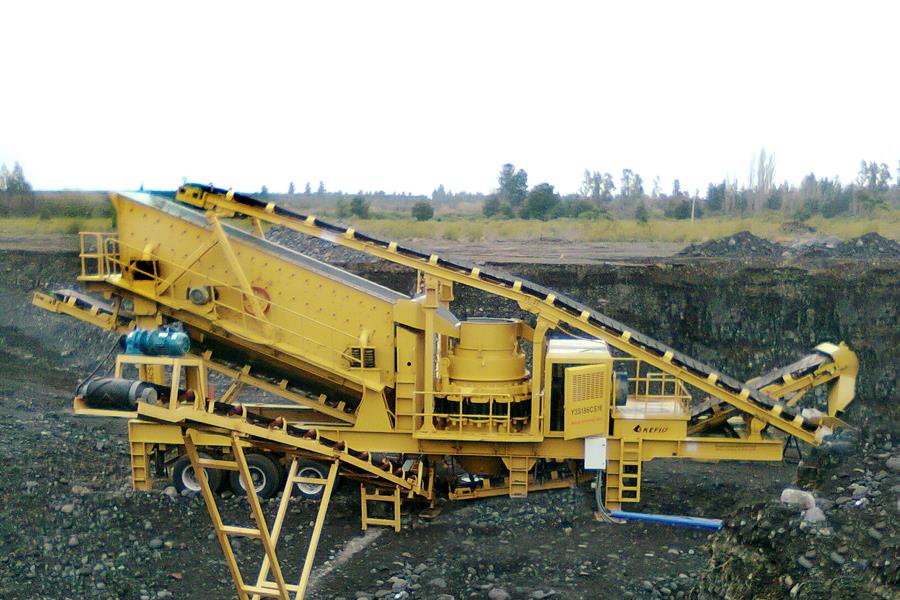
How does a cone crusher achieve layer compression crushing
Of course, to achieve layer compression crushing, certain prerequisites must be met:
(1) Adequate feeding: Only with adequate feeding can a sufficient number of material layers be formed to achieve layer compression crushing effects. When the number of crushing layers is between 6 and 10, energy-saving effects also become evident, and the advantage of high production capacity in layer compression crushing is also demonstrated;
(2) Uniform feeding: Uniform feeding ensures reasonable force distribution on the material, enabling the crusher to operate smoothly;
(3) Uniform particle size: When the geometric dimensions of material particles vary greatly, smaller particles protect larger particles from being crushed (i.e., the fine particle protection phenomenon). To avoid this, the feed material should have a uniform particle size;
(4) Filling rate: When the material filling rate is too low, powdery particles may form, causing waste and reducing the effectiveness of layer compression crushing. When the filling rate is too high, the material becomes too compact, leading to clumping and hindering the crushing process. Therefore, a series of experiments have shown that a filling rate between 0.55 and 0.75 is most favourable for layer compression crushing.
Our company manufactures various types of cone crushers. Click on the website customer service to consult for free immediately, available 24/7.
-
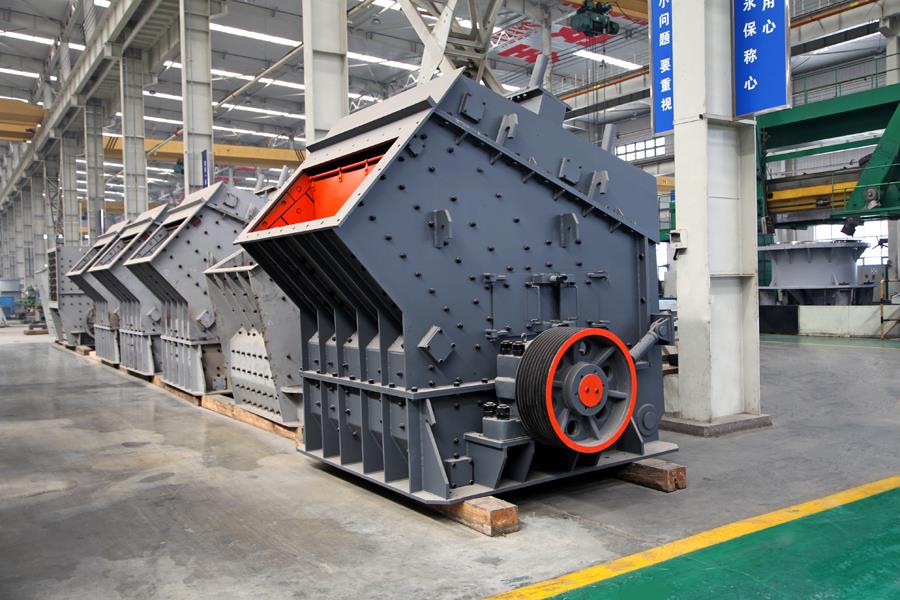
What are the advantages of vertical composite crushers that make them worth choosing
-
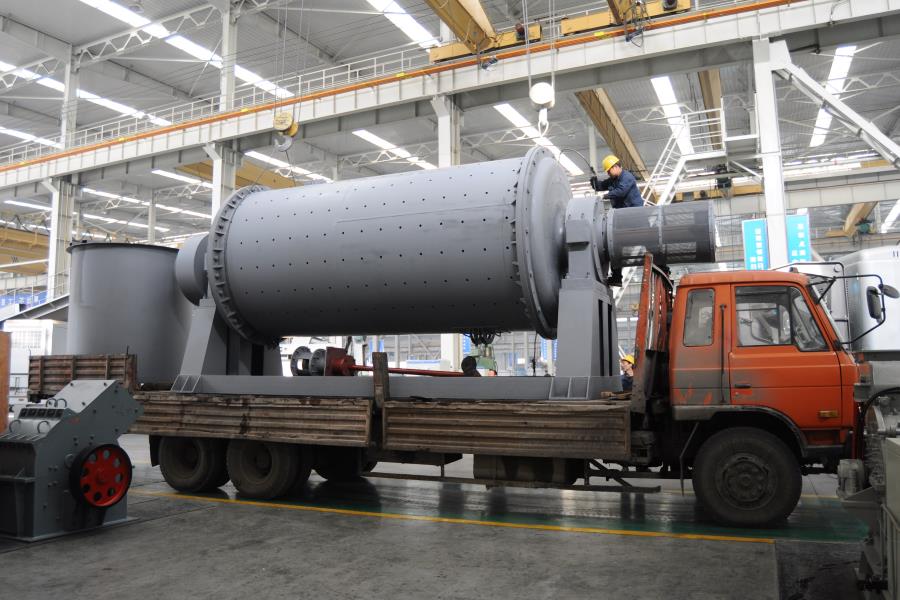
The Three Stages of the Layer-Pressure Crushing Process in a Cone Crusher
-
-
-
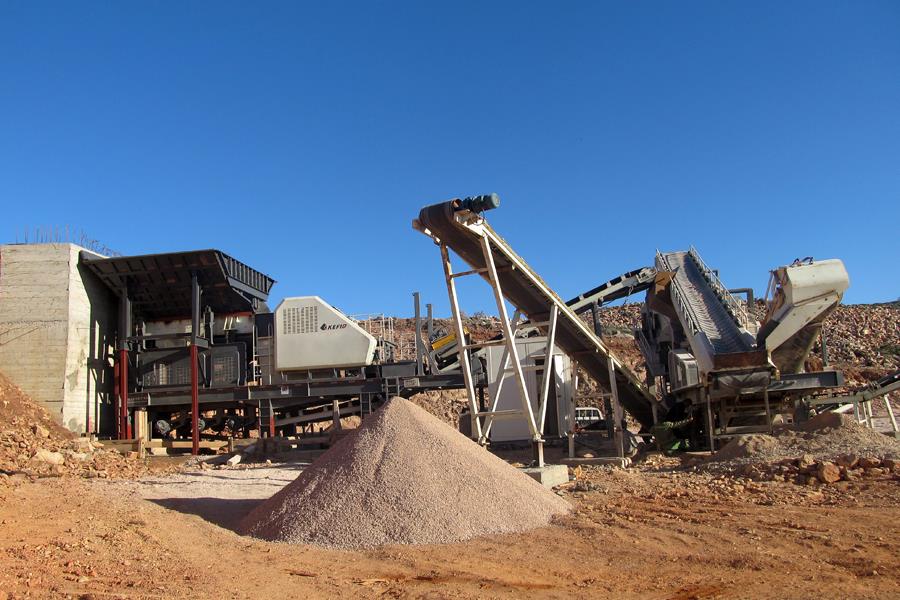
Why is the single-cylinder cone crusher so popular for crushing hard materials