gneiss crusher selection for 400 tph hard rock quarry
Selecting the right crusher for a gneiss crusher selection for 400 tph hard rock quarry is a critical decision that affects your long‑term operating costs. Gneiss is a hard, foliated metamorphic rock with compressive strength often exceeding 200 MPa. Its abrasive nature requires a robust crushing circuit that balances reduction ratio, wear life, and energy efficiency. Below we discuss key considerations and how OCP Mechanical Company supports high‑capacity hard rock quarries.
1. Why Two‑Stage Crushing Is Common for Gneiss
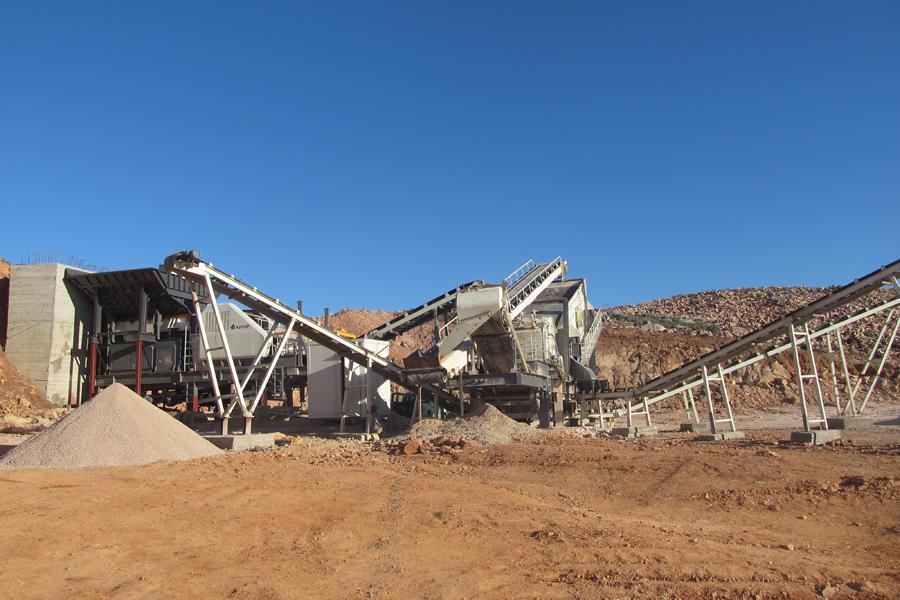
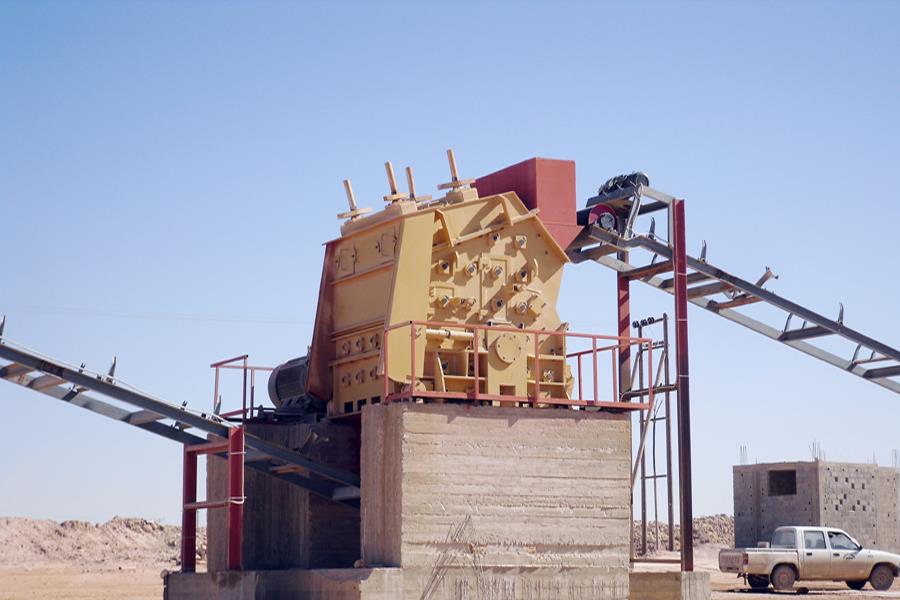
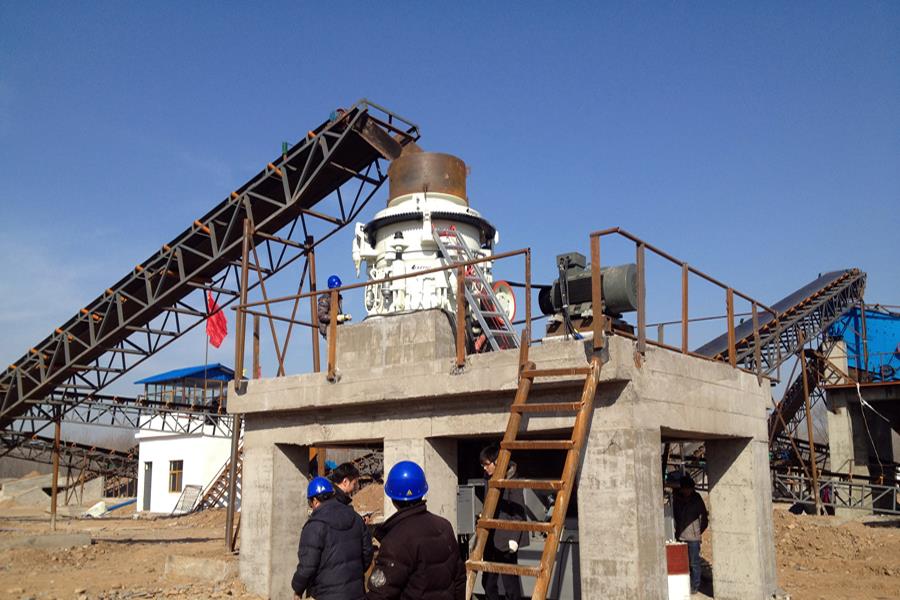
For a gneiss crusher selection for 400 tph hard rock quarry, a two‑stage or three‑stage configuration is widely used. Primary crushing typically uses a jaw crusher to handle run‑of‑mine feed up to 800‑900 mm. Secondary crushing often relies on a cone crusher, which provides better reduction and particle shape than an impact crusher when processing hard, abrasive rock.
OCP recommends the Type J jaw crusher for primary duty and the Type C cone crusher for secondary crushing. Note: Product data are constantly updated; for the latest specifications of Type J and Type C, please contact our online customer service.
Typical equipment for a gneiss crusher selection for 400 tph hard rock quarry (for illustration only; actual data subject to continuous improvement):
Primary: Type J jaw crusher (feed opening 1,200 x 1,500 mm, CSS 150‑200 mm)
Secondary: Type C cone crusher (standard cavity, CSS 30‑45 mm)
Optional tertiary: Type C short head cone crusher for finer products
Vibrating screen (2‑3 decks) and belt conveyors
The above values are for illustration only. OCP continuously improves its products. Contact our online team for the most current data sheet.
Many hard rock quarries in South America, Africa, and the Middle East have adopted this configuration, reporting stable throughput and manageable wear costs.
2. How to Balance Wear Life and Product Shape
When performing a gneiss crusher selection for 400 tph hard rock quarry, wear part life is a major cost driver. Gneiss often contains quartz and feldspar, making it highly abrasive. Cone crusher liners typically require replacement every 1,000‑1,500 hours, depending on CSS and feed gradation.
To optimize your selection, we recommend:
Choosing Mn18%+Cr liners for the cone crusher to improve abrasion resistance.
Setting the jaw crusher CSS at 150‑180 mm to reduce the load on the secondary crusher.
Using a vibrating screen to remove fines before the secondary stage, which reduces liner wear.
OCP’s Type C cone crusher features a hydraulic setting adjustment and a threaded bowl assembly, allowing quick liner changes. Many operators find that with proper choke‑feeding, a set of cone liners processes 350,000‑450,000 tons of gneiss. Actual wear life varies with quartz content and operating parameters – please ask our engineers for a site‑specific estimate.
As a direct‑selling manufacturer, OCP provides factory pricing on all wear parts and can ship to major ports worldwide within 15‑25 days.
3. Why OCP Is a Reliable Partner for Hard Rock Quarries
Choosing the right gneiss crusher selection for 400 tph hard rock quarry is about more than the machines – it is about long‑term support and total cost of ownership. OCP Mechanical Company has over 40 years of history in hard rock crushing. We offer:
Free pre‑sale ore testing to determine optimal crusher settings and liner alloys.
A customized flow sheet that matches your gneiss characteristics and desired product sizes.
24/7 online technical support for installation, commissioning, and wear parts management.
Our crushers have been successfully deployed in gneiss, granite, and basalt quarries across Southeast Asia, South America, and the Middle East. Customers often highlight the robust construction, easy maintenance, and economical price.
For a no‑obligation quotation and a detailed recommendation for your gneiss crusher selection for 400 tph hard rock quarry, simply click the live chat icon on this page. Our online customer service team is available 24 hours a day, 7 days a week, to answer your technical questions, provide free advice on circuit design, and help you reduce your cost per ton.
-
-
-
high quality manufactured sand production line 200 tph from hard rock
-
-
Plaster Sand Making Machine 50 tph for Building Construction