
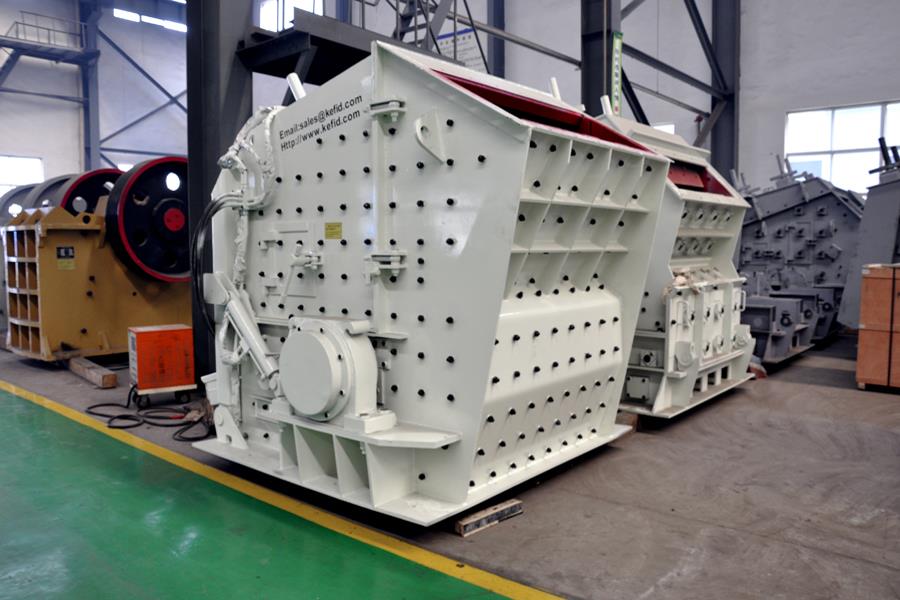
Feeder Grizzly Price for Heavy Clay Overburden 155 TPH in Indonesia
Indonesia's Mining Sector: A Market Poised for Growth
Indonesia's heavy equipment market continues to expand, driven by robust demand from the mining and construction sectors. Mining remains the dominant sector, contributing significantly to equipment demand, followed closely by infrastructure and quarrying operations across the archipelago. For operations dealing with heavy clay overburden—a common challenge across Indonesian nickel, coal, and aggregate sites—the feeder grizzly is the critical first line of equipment. Understanding the feeder grizzly price for heavy clay overburden 155 TPH in Indonesia is essential for accurate project budgeting and long-term profitability.
Why Heavy Clay Overburden Demands a Specialised Feeder
Heavy clay overburden is among the most difficult materials to handle in any crushing circuit. Its high moisture content, stickiness, and fine particle composition cause rapid blinding of standard grizzly bars and can choke downstream crushers. For Indonesian operations facing tropical rainfall and high humidity, these challenges are magnified, often requiring heavy-duty apron feeders or vibrating grizzly feeders with self-cleaning designs. When evaluating the feeder grizzly price for heavy clay overburden 155 TPH in Indonesia, it is important to recognise that equipment designed for free-flowing materials will not deliver the same performance or reliability when processing sticky clay.
155 TPH: The Ideal Capacity for Indonesian Operations
For medium to large-scale overburden handling in Indonesian mines and quarries, 155 tonnes per hour represents a highly strategic throughput. This capacity typically supports daily removal of 900–1,000 tonnes in a standard shift, sufficient to keep upstream excavators productive and downstream crushers well-fed. When assessing the feeder grizzly price for heavy clay overburden 155 TPH in Indonesia, this capacity range offers a practical balance between capital investment and operational efficiency, allowing operators to maintain steady production even during the wet season.
Price Range Indicators for 155 TPH Units
The cost of a feeder grizzly suitable for 155 TPH heavy clay overburden varies significantly based on type, construction, and features. A heavy-duty vibrating grizzly feeder with self-cleaning grizzly bars typically ranges from USD 35,000 to 75,000, while a robust apron feeder designed for sticky, high-moisture materials may cost between USD 60,000 and 120,000. Premium units with hydraulic drive systems, variable speed control, and corrosion-resistant materials fall at the higher end of this range. These figures provide a useful reference when budgeting for the feeder grizzly price for heavy clay overburden 155 TPH in Indonesia.
(Note: All price information is for reference only. Final quotations depend on configuration, options, and current market conditions.)
Key Features That Influence Price
Several design features significantly affect the final cost of a feeder grizzly for heavy clay applications. Self-cleaning grizzly bars with tapered or stepped profiles reduce blinding and material adhesion. Replaceable wear liners in the feeder pan and grizzly section extend service life in abrasive clay conditions. Variable speed drives allow operators to adjust feed rate based on downstream demand. Heavy-duty bearings and a robust drive system ensure reliable operation under continuous load. Each of these features adds to the base price but delivers value through reduced maintenance and improved uptime. These considerations are essential when evaluating the feeder grizzly price for heavy clay overburden 155 TPH in Indonesia.
Transportation and Logistics to Indonesian Sites
Indonesia's archipelagic geography adds complexity and cost to equipment delivery. Most feeder grizzlies arrive via seaports such as Jakarta, Surabaya, or Balikpapan, then travel overland or by barge to remote mine sites. Freight charges from major manufacturing hubs to Indonesian ports can range from USD 8,000 to 20,000 depending on weight and shipping method. Inland transport to remote sites in Kalimantan, Sumatra, or Sulawesi adds further expense, particularly during the rainy season when road conditions deteriorate. These logistics are a significant component of the total feeder grizzly price for heavy clay overburden 155 TPH in Indonesia.
Installation, Foundation, and Civil Works
Site preparation and foundation construction add to the overall project cost. A typical feeder grizzly foundation requires reinforced concrete, anchor bolts, and grouting, costing USD 8,000–20,000 depending on soil conditions. Installation labour, including crane hire, assembly, and alignment, may add USD 6,000–12,000. Electrical work, including motor connection and control panel installation, contributes USD 4,000–10,000. In Indonesia's tropical climate, proper drainage around the foundation is essential to prevent water accumulation and soil erosion. These installation costs should be factored into the feeder grizzly price for heavy clay overburden 155 TPH in Indonesia.
Operating Costs Beyond the Purchase Price
While the initial purchase price is important, ongoing operating costs significantly affect total cost of ownership. For heavy clay overburden, wear parts—grizzly bars, feeder pan liners, and bearings—require regular replacement. Grizzly bars typically last 500–2,000 hours depending on material abrasiveness and moisture content. Power consumption ranges from 15 to 45 kW for a 155 TPH unit. A feeder with higher initial cost but longer wear life and lower energy consumption often delivers a better return over time. These operating expenses should be included in your evaluation of the feeder grizzly price for heavy clay overburden 155 TPH in Indonesia.
(All operating cost projections are estimates—actual results depend on feed characteristics, operating hours, and maintenance practices.)
Indonesian Operating Conditions and Local Support
Indonesia's tropical climate and remote site locations present unique operational challenges. High humidity accelerates corrosion on exposed components; selecting galvanised or painted equipment with adequate corrosion protection is advisable. The rainy season can cause site flooding, affecting feeder stability and access. Spare parts availability and local service support are critical—choose a supplier with a strong Indonesian presence. These local factors should shape your equipment selection and your evaluation of the feeder grizzly price for heavy clay overburden 155 TPH in Indonesia.
New vs. Used Equipment Considerations
Some operators consider used feeder grizzlies to reduce initial capital outlay. However, used equipment may have hidden wear on the drive system, bearings, or grizzly bars that leads to frequent breakdowns. For demanding clay overburden applications, a new feeder offers better reliability, warranty coverage, and predictable performance. Compare total cost of ownership when evaluating the feeder grizzly price for heavy clay overburden 155 TPH in Indonesia.
Why OCP Mechanical Company Is Your Reliable Partner
With over 40 years of manufacturing expertise, OCP Mechanical Company supplies apron feeders, vibrating grizzly feeders, crushers, screens, and complete processing plants to customers worldwide, including many operations across Indonesia. Our feeder grizzlies are engineered for heavy clay overburden applications, with self-cleaning designs, robust construction, and durable wear parts. As a direct manufacturer, we offer competitive pricing, transparent quotations, and responsive after-sales support. Our team understands Indonesian operating conditions—tropical climate, challenging logistics, and high-moisture overburden—and can recommend the optimal feeder configuration for your 155 TPH operation.
Practical Steps for Your Purchase Decision
To accurately assess the feeder grizzly price for heavy clay overburden 155 TPH in Indonesia, take these actions: First, characterise your overburden material—obtain moisture content, clay percentage, and particle size data. Second, define your feed rate requirements and expected operating hours. Third, request itemised quotations from at least two suppliers, comparing base price, shipping, installation, and spare parts costs. Fourth, verify local service support and parts availability before finalising your order. A systematic approach ensures you choose the right feeder for your operation.
Get a Customized Quotation – 24/7 Availability
We invite you to take advantage of our free consultation and quotation service. Our application engineers are available 24 hours a day to discuss your heavy clay overburden handling needs, review your site conditions, and provide a detailed breakdown of the feeder grizzly price for heavy clay overburden 155 TPH in Indonesia. Click the live chat button on our website to connect instantly with a knowledgeable representative, or submit your inquiry for a response within 24 hours. We offer free material assessments, equipment recommendations, wear part life projections, and complete price proposals tailored to your Indonesian operation. Let us help you select the right feeder grizzly to keep your overburden moving and your production on track.
Technical specifications, performance data, and pricing are for reference only—latest information is available from our customer service team. OCP Mechanical Company continuously improves its products; specifications may change without notice. Actual outcomes depend on feed characteristics, operating conditions, and maintenance practices. Please confirm all details with our engineers before finalising any order.
-
-
-
Factory Direct Price of Vertical Shaft Impactor for Glass Sand 115 TPH in Egypt
-
How to Automate a Sand Washing Plant for Manufactured Sand 190 TPH
-
Price of Vibrating Screen for Aggregates 260 TPH in Dammam Saudi



