EU CBAM Carbon Costs and Crushing Equipment – How Energy-Efficient Plants Help Exporters Stay Competitive
Why the EU CBAM carbon border adjustment mechanism is reshaping the cost structure for aggregate and mining exporters
The European Union’s Carbon Border Adjustment Mechanism (CBAM) became a fully operational financial obligation on 1 January 2026, marking a fundamental shift in how carbon-intensive goods are traded into the EU market. Under the regulation, EU importers of covered goods—including cement, iron and steel, aluminium, fertilisers, electricity, and hydrogen—must now purchase CBAM certificates to cover the embedded emissions of their imports. The certificate price for Q2 2026 stands at €75.28 per tonne of CO₂ equivalent. For exporters of construction materials such as aggregates, crushed stone, and manufactured sand, this mechanism introduces a new and significant cost factor. Even though aggregates themselves are not directly covered in the initial six sectors, the downstream products that rely on them—cement and concrete—are firmly within CBAM’s scope. Moreover, the European Commission proposed in December 2025 to expand CBAM’s scope to 180 additional downstream products, including construction equipment and machinery components, which will further extend the carbon compliance burden. For quarry operators and aggregate producers targeting the European market, understanding and managing carbon emissions is no longer optional—it is a competitive necessity. At OCP Mechanical Company, with over 40 years of manufacturing experience, we supply energy-efficient crushing and screening equipment—including PE Series jaw crushers, HST Series cone crushers, and VSI 6X sand making machines—that helps producers lower their carbon footprint per tonne of product, reducing exposure to carbon costs and maintaining competitiveness in the evolving regulatory landscape.
How CBAM works and what it means for construction material exporters
CBAM is not a tariff or a tax in the traditional sense. It is a certificate-based mechanism designed to equalise the carbon cost between goods produced within the EU—under the EU Emissions Trading System (ETS)—and equivalent goods imported from countries without comparable carbon pricing. The logic is straightforward: without CBAM, EU manufacturers facing carbon costs under the ETS would lose market share to foreign producers who generate equivalent CO₂ emissions but pay no carbon price. CBAM closes this gap by requiring importers to declare the embedded emissions of their goods and surrender the corresponding number of CBAM certificates. The first declaration and surrender deadline is set for 30 September 2027, covering emissions embedded in imports during 2026. For exporters of aggregates and crushed stone, the direct impact is felt through the cement and concrete value chain. Cement is one of the six CBAM-covered sectors, and any aggregates used in cement production or exported as part of concrete products will carry embedded carbon costs. The ability to demonstrate low embedded emissions through reliable data—rather than relying on the default values applied by regulators—can result in substantial cost savings. Default values are typically higher than actual emissions, meaning producers who can verify their carbon performance gain a clear financial advantage. All product specifications, including capacity and power ratings, are continuously updated; for the latest parameters, please consult our online customer service.
Energy-efficient crushing equipment as a carbon reduction strategy
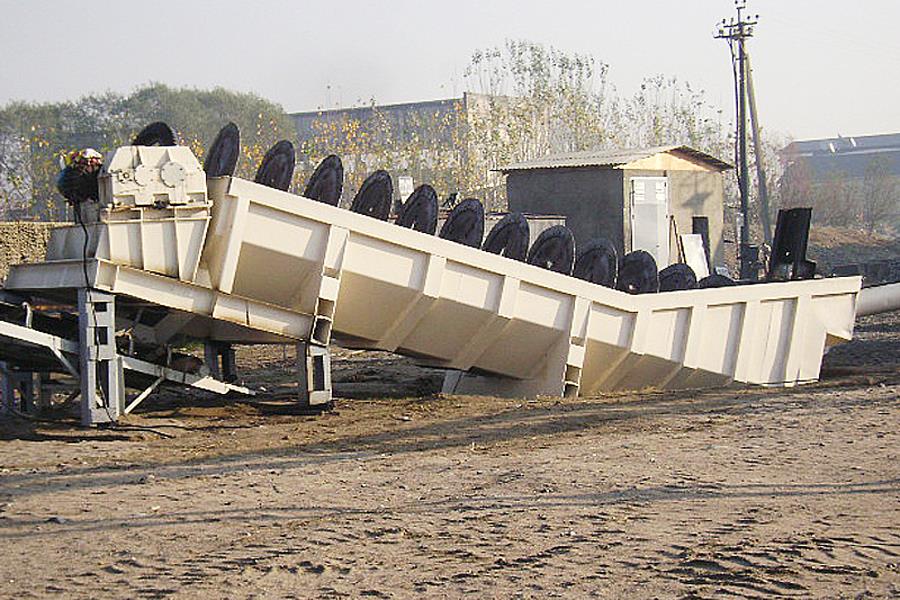
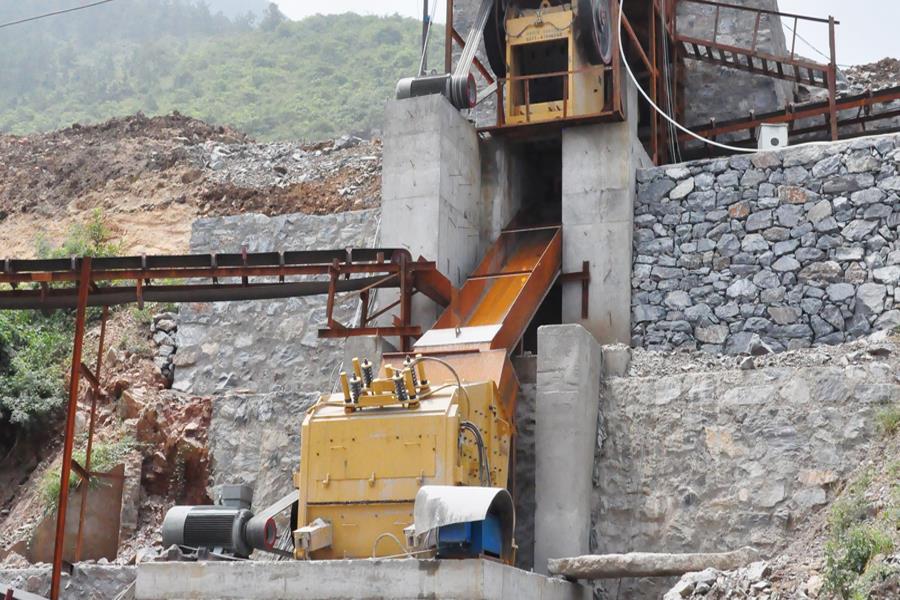
The most direct way for aggregate producers to reduce their CBAM exposure is to lower the carbon footprint of their production processes. Crushing and screening operations are energy-intensive, and the energy source—typically diesel or grid electricity—is the primary driver of embedded emissions. By investing in energy-efficient equipment, operators can reduce their energy consumption per tonne of product, directly lowering their carbon intensity. Our PE Series jaw crushers feature high-efficiency motors and optimised flywheel designs that smooth power demand, reducing peak loads and overall energy consumption. Our HST Series cone crushers are engineered with advanced hydraulic systems and optimised chamber geometries that deliver high reduction ratios with lower energy input per tonne. Our VSI 6X sand making machines are designed for efficient manufactured sand production, producing consistent gradation with minimal energy waste. By selecting equipment that minimises energy consumption, operators can achieve a lower carbon footprint per tonne, which translates directly into lower CBAM certificate costs when exporting to the EU. This is a key consideration for any aggregate producer looking to maintain competitiveness in the European market. Prices are for reference only and are subject to change based on configuration and market conditions.
The role of automation and data in carbon compliance
CBAM compliance requires accurate reporting of embedded emissions. Importers must provide reliable emissions data for their products; if they cannot, regulators may apply standardised default values that are often higher and result in increased costs. This makes data quality a critical factor in managing CBAM exposure. Modern crushing equipment equipped with sensors and control systems can provide real-time data on energy consumption, throughput, and operating efficiency. This data can be used to calculate the carbon footprint of production with precision, supporting accurate emissions reporting and potentially avoiding the higher costs associated with default values. Our equipment can be integrated with automation and monitoring systems that track key performance indicators, providing the data needed for emissions reporting and continuous improvement. By investing in data-enabled equipment, operators can not only reduce their energy consumption but also demonstrate their carbon performance with confidence—a significant advantage in the CBAM compliance landscape.
Beyond CBAM – the broader case for energy efficiency
While CBAM is a significant driver of carbon-conscious production, it is not the only one. Energy costs represent a substantial portion of operating expenses for any quarry or aggregate operation. Reducing energy consumption per tonne directly improves profitability, regardless of regulatory requirements. Additionally, many regions are implementing or considering carbon pricing mechanisms, making energy efficiency a strategic imperative for long-term competitiveness. By investing in modern, energy-efficient crushing equipment, operators can achieve multiple benefits: lower operating costs, reduced carbon exposure under CBAM and similar mechanisms, and improved environmental performance that supports sustainability goals and enhances market reputation. OCP Mechanical’s equipment is engineered with energy efficiency as a core design principle, helping operators achieve these benefits without compromising productivity or product quality.
Sample carbon cost impact table (For reference only)
| Parameter | Value |
|---|---|
| CBAM certificate price (Q2 2026) | €75.28 / tCO₂e * |
| Typical embedded emissions (crushing, 100 tph) | 0.5‑1.0 tCO₂e per 100 tonnes * |
| Potential CBAM cost per 100 tonnes | €37.64‑75.28 * |
| Energy savings from modern equipment | 10‑20% * |
| Estimated carbon cost reduction | €3.76‑15.06 per 100 tonnes * |
All figures and recommendations are for reference only and are continuously updated. For the latest parameters, please consult our online customer service. Prices are for reference only and are subject to change based on configuration and market conditions. Actual results may vary depending on feed characteristics, operating conditions, and maintenance practices. OCP Mechanical reserves the right to update technical data and pricing without prior notice.
Why OCP Mechanical is your partner for sustainable, energy-efficient crushing solutions
With over 40 years of manufacturing experience, OCP Mechanical combines engineering excellence with a deep understanding of the evolving regulatory landscape. We are a factory-direct supplier, meaning you avoid the markups charged by dealers and intermediaries. Our energy-efficient crushing and screening equipment is built with high-quality components and is designed for reliable performance in the most demanding applications. We provide comprehensive after-sales support, including spare parts availability, technical assistance, and on-site training. Our logistics team has extensive experience shipping to global destinations, ensuring timely delivery of equipment and parts. We are committed to helping you achieve efficient, sustainable crushing that reduces your carbon exposure and supports your business growth.
Conclusion – Invest in energy-efficient equipment to manage carbon costs and stay competitive
The EU CBAM represents a fundamental shift in the cost structure for aggregate and mining exporters. By investing in energy-efficient crushing equipment, operators can reduce their carbon footprint per tonne, lower their exposure to carbon costs, and maintain their competitiveness in the European market. OCP Mechanical offers energy-efficient crushing solutions that meet the needs of modern operators, backed by expert guidance and responsive after-sales support. Our online customer service team is available 24/7 to provide free consultation, technical data, and a customised quotation for your operation. Click the chat button now – let us help you manage your carbon costs and build a more sustainable, profitable operation.
-
Hydraulic Jaw Adjustment & Plastic‑Free Liners – OCP Mechanical Offers Comparable Solutions
-
-
Jaw Crusher Range Upgrades – Unified Design and Smarter Control for Primary Crushing
-
-