Dust Control Upgrade for Aggregate Plants – Sub‑8mg/m³ Emissions with 0.12kWh/t Power Consumption
Why advanced baghouse dust collection technology is becoming essential for quarry and aggregate operations facing tighter environmental standards – and how integrated crushing and dust control solutions deliver both compliance and efficiency
Environmental regulations for aggregate processing are becoming increasingly stringent worldwide. In China, the national emission standard for particulate matter in the sand and stone industry requires dust concentrations below 20 mg/m³ at plant boundaries. However, leading operations are already achieving far more ambitious targets. A recent case study from an 8‑million‑tonne‑per‑year aggregate production line demonstrates what is now technically achievable: stable dust emissions below 8 mg/m³, unit power consumption of just 0.12 kWh per tonne of material processed, and filter bag life extending to 32 months. These figures represent a significant leap forward in dust control performance, driven by advances in baghouse filter design, intelligent cleaning systems, and integrated plant engineering. For quarry operators and aggregate producers facing tightening emissions limits, understanding the latest dust control technology is becoming a competitive necessity. At OCP Mechanical Company, with over 40 years of manufacturing experience, we supply complete crushing and screening plants with integrated dust collection systems – including PE Series jaw crushers, HST Series cone crushers, and VSI 6X sand making machines – designed to help operators achieve both production efficiency and environmental compliance, all at factory‑direct prices.
Why dust control has become a critical priority for modern aggregate operations
The scale of dust generation in aggregate processing is substantial. Crushing, screening, and material transfer points all produce significant particulate emissions, with concentrations varying widely depending on the material type, moisture content, and equipment configuration. Traditional dust control approaches – often relying on water sprays and basic collection hoods – frequently fall short of tightening regulatory requirements. The cost of non‑compliance can be severe: fines, production stoppages, permit restrictions, and reputational damage. At the same time, inefficient dust collection systems impose their own costs through excessive energy consumption, frequent filter replacements, and unplanned downtime. The growing recognition of these challenges has driven significant innovation in dust control technology, with modern baghouse systems now capable of achieving emission levels that were considered unattainable just a few years ago. For aggregate producers, investing in advanced dust collection is no longer just about compliance – it is about operational efficiency, cost control, and long‑term competitiveness. OCP Mechanical’s integrated plant solutions are engineered to incorporate state‑of‑the‑art dust collection systems, enabling operators to achieve both production targets and environmental standards. All product specifications, including capacity and power ratings, are continuously updated; for the latest parameters, please consult our online customer service.
The technology behind sub‑8 mg/m³ emissions and 0.12 kWh/t power consumption
The case study from the 8‑million‑tonne aggregate line provides a practical demonstration of what modern baghouse technology can achieve. The system uses a pulse‑jet baghouse filter with a处理风量 of 120,000 m³/h and a filtration area of 2,400 m², configured with intelligent pressure‑differential cleaning controls and variable frequency drives. Key design features include: a dust emission concentration stabilised at ≤8 mg/m³, significantly below the national standard of 20 mg/m³; system operating resistance maintained at 1,200‑1,500 Pa; filter bag service life extended to 32 months; and unit power consumption per tonne of material processed reduced to 0.12 kWh/t. These results are achieved through a combination of factors: precise airflow calculation and system balancing, high‑performance filter media with composite construction (surface oil‑and‑water‑repellent treatment combined with abrasion‑resistant base material), intelligent cleaning cycles that optimise pulse pressure and duration based on real‑time pressure differential readings, and variable‑speed fan control that matches power consumption to actual system demand. For quarry operators, this means that effective dust control no longer requires excessive energy consumption or frequent filter changes. The technology exists to achieve both high performance and low operating costs. At OCP Mechanical, our engineering team can integrate similar dust collection systems into complete crushing and screening plants, ensuring that your operation achieves both production efficiency and environmental compliance. Prices are for reference only and are subject to change based on configuration and market conditions.
Integrated crushing and dust control – a holistic approach to plant design
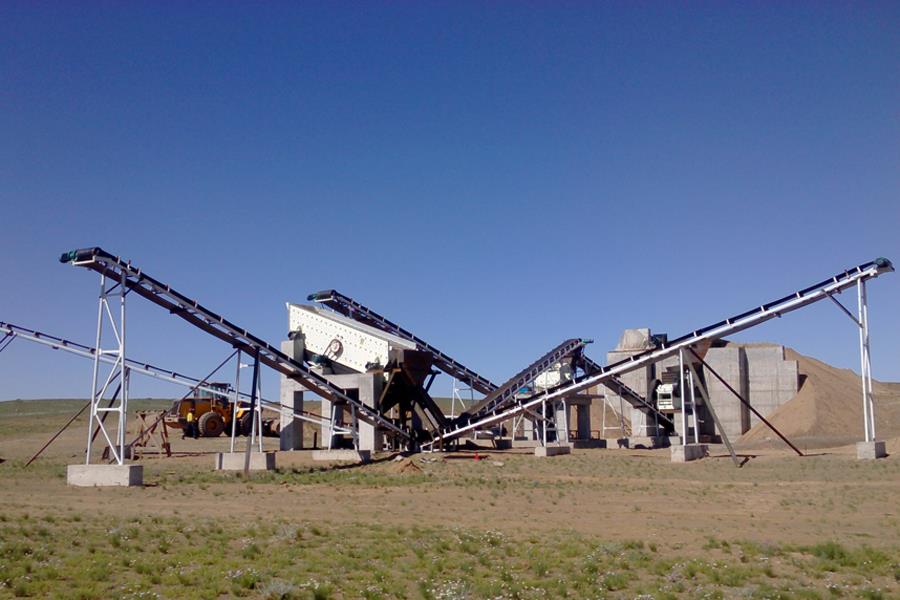
The most effective dust control strategies are those that are integrated into the plant design from the beginning, rather than added as an afterthought. A well‑designed crushing and screening plant incorporates dust collection at every stage of the process: primary crusher discharge, secondary and tertiary crushing, screening stations, and conveyor transfer points. By capturing dust at the source, the system reduces the volume of air that needs to be handled, lowers energy consumption, and improves overall collection efficiency. This integrated approach also simplifies maintenance, as all components are designed to work together seamlessly. The case study demonstrates that an integrated system can achieve both high production capacity and low emissions, with unit power consumption of just 0.12 kWh per tonne – a level that would be difficult to achieve with a retrofitted or poorly designed system. For quarry operators planning new plants or major upgrades, investing in integrated dust control from the outset delivers the best results and the lowest total cost of ownership. OCP Mechanical offers complete plant solutions that integrate crushing, screening, and dust collection into a single, cohesive system. Our PE Series jaw crushers, HST Series cone crushers, and VSI 6X sand making machines are designed to work with advanced baghouse filtration systems, enabling operators to achieve consistent product quality and environmental compliance.
The financial case for advanced dust control technology
The financial benefits of advanced dust control extend beyond avoiding fines and penalties. The case study shows that unit power consumption of 0.12 kWh/t is achievable with modern technology – significantly lower than many older systems. For a 1‑million‑tonne‑per‑year operation, a reduction of just 0.05 kWh/t in power consumption translates to 50,000 kWh of annual electricity savings. At typical industrial electricity rates, this represents a substantial operating cost reduction. Extended filter bag life of 32 months – compared to 12‑18 months for many conventional systems – further reduces maintenance costs and downtime. Reduced system operating resistance (1,200‑1,500 Pa) lowers fan energy requirements, contributing to the overall efficiency gains. And the ability to reliably achieve sub‑8 mg/m³ emissions provides assurance against regulatory changes and helps secure permits for future expansion. For quarry operators, the investment in advanced dust control technology pays for itself through lower energy costs, reduced maintenance, and avoided compliance risks. OCP Mechanical’s integrated plant solutions are designed to deliver these benefits, with energy‑efficient motors, intelligent control systems, and durable components that reduce total cost of ownership. Our online customer service team is available 24/7 to provide free consultation, technical data, and a customised quotation for your operation. Click the chat button now – let us help you build a more efficient, compliant, and profitable aggregate operation.
Sample dust control system performance data (For reference only)
| Parameter | Value |
|---|---|
| Dust emission concentration | ≤8 mg/m³ |
| National standard (reference) | 20 mg/m³ |
| System operating resistance | 1,200‑1,500 Pa |
| Filter bag service life | 32 months |
| Unit power consumption | 0.12 kWh/t |
| Processing capacity (case study) | 8 million t/y |
| System airflow | 120,000 m³/h |
| Filtration area | 2,400 m² |
All figures and recommendations are for reference only and are continuously updated. For the latest parameters, please consult our online customer service. Prices are for reference only and are subject to change based on configuration and market conditions. Actual results may vary depending on feed characteristics, operating conditions, and maintenance practices. OCP Mechanical reserves the right to update technical data and pricing without prior notice.
Why OCP Mechanical is your partner for compliant, efficient aggregate production
With over 40 years of manufacturing experience, OCP Mechanical combines engineering excellence with a deep understanding of the regulatory and operational challenges facing aggregate producers. We are a factory‑direct supplier, meaning you avoid the markups charged by dealers and intermediaries. Our comprehensive range of crushing and screening equipment – PE Series jaw crushers, HST Series cone crushers, and VSI 6X sand making machines – is built with high‑quality components and is designed for reliable performance in the most demanding applications, including integration with advanced dust collection systems. We provide comprehensive after‑sales support, including spare parts availability, technical assistance, and on‑site training. Our logistics team has extensive experience shipping to global destinations, ensuring timely delivery of equipment and parts. We are committed to helping you achieve efficient, compliant production that supports your business growth.
Conclusion – Invest in integrated dust control and secure your operational future
The case study from the 8‑million‑tonne aggregate line demonstrates that advanced baghouse technology can deliver both high environmental performance and low operating costs. With emissions below 8 mg/m³ and unit power consumption of just 0.12 kWh/t, modern dust control systems are proving that compliance and efficiency can go hand in hand. For quarry and aggregate operators, investing in integrated dust control technology is not just about meeting regulations – it is about building a more efficient, sustainable, and profitable operation. OCP Mechanical offers the equipment, expertise, and factory‑direct pricing you need to succeed. Our online customer service team is available 24/7 to provide free consultation, technical data, and a customised quotation for your operation. Click the chat button now – let us help you achieve compliant, efficient aggregate production with reliable dust control solutions.
-
3-Stage Mobile Crushing Plant Delivers 1.5x Higher Output for Indian Road Project
-
Metso's South American Service Network Expansion – What It Means for Mining Equipment Buyers
-
-
VSI Sand Maker – The Profit Engine for Manufactured Sand Plants
-