Dust Control Systems for Large Aggregate Plants – Meeting Sub‑10 mg/Nm³ Emission Standards with Advanced Filtration Technology
Why advanced dust control has become a critical priority for modern aggregate processing operations
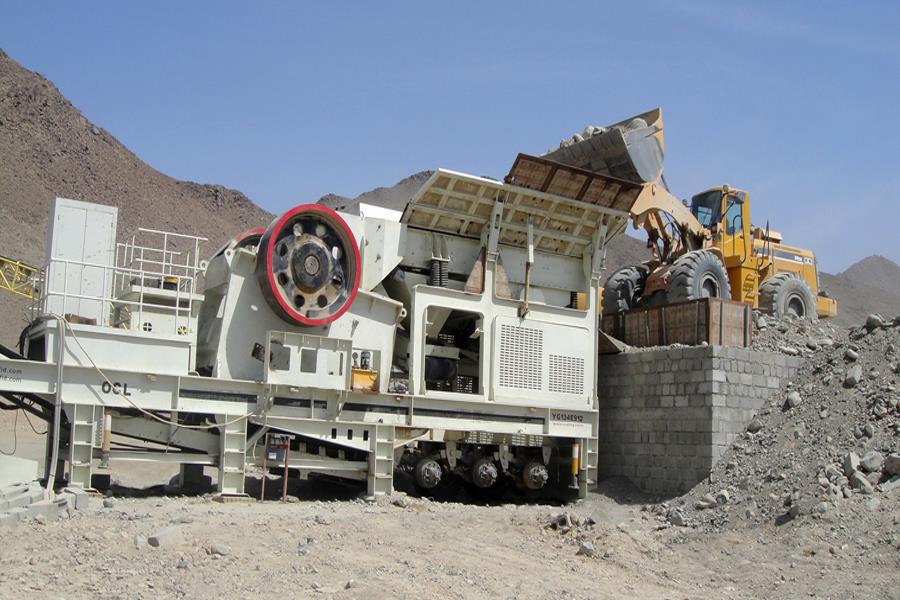
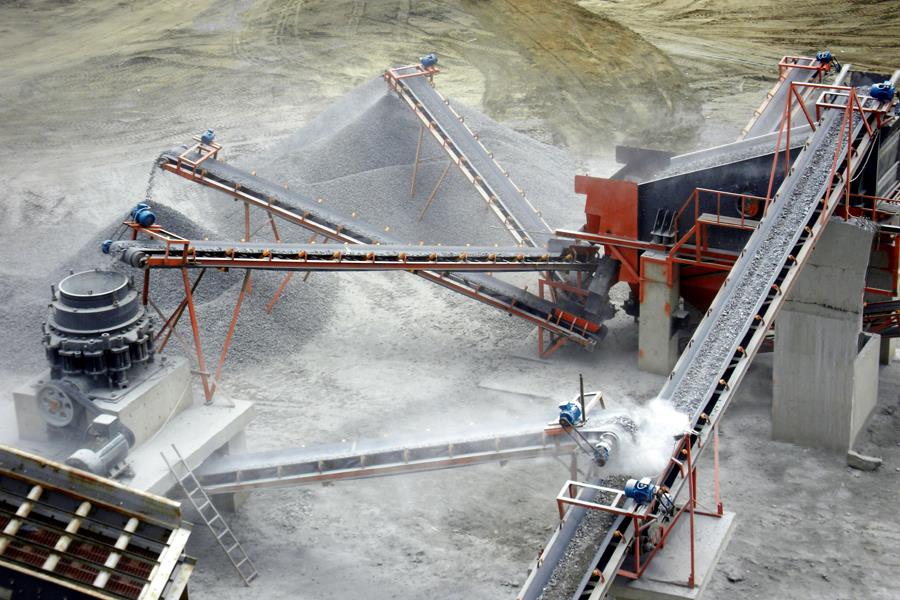
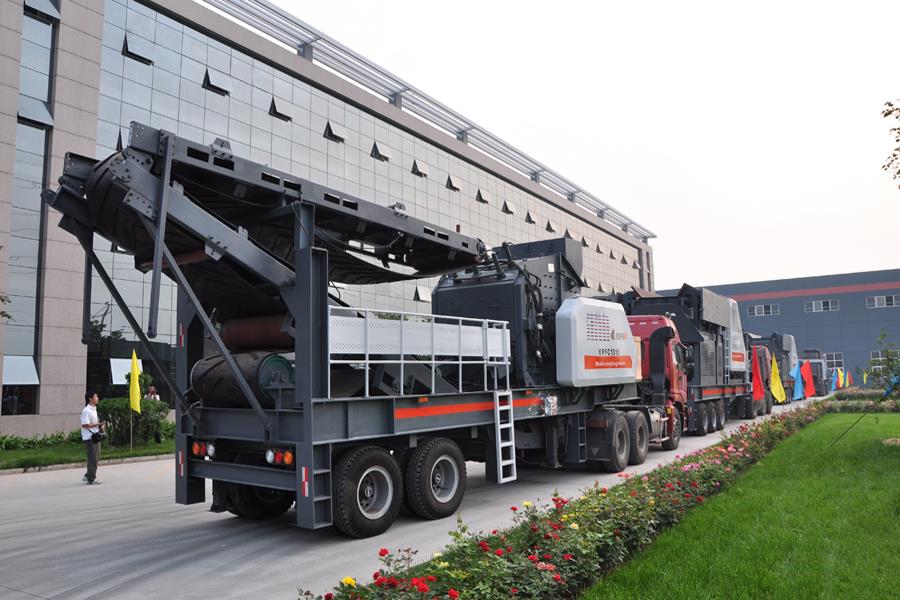
The rapid expansion of China's sand and aggregates industry has brought with it an intensified focus on environmental compliance. By the end of 2025, the country's manufactured sand production capacity had surpassed 22 billion tonnes annually, accounting for over 90 per cent of total sand supply. This scale of production inevitably generates significant dust emissions at crushing, screening, and conveying stages—posing risks to worker health, creating safety hazards, and raising environmental concerns. Regulatory frameworks require aggregate processors to install compliant dust collection equipment capable of meeting strict emission limits. For quarry and mining operators, investing in high-efficiency dust control systems is no longer optional—it is a legal and operational necessity. At OCP Mechanical Company, with over 40 years of manufacturing experience, we supply integrated crushing and screening plants that can be equipped with advanced dust filtration systems designed to meet the most stringent environmental standards, all at factory-direct prices.
Industry leaders achieving emissions below 10 mg/Nm³
Recent industry recognition has highlighted the achievements of leading dust control technology providers. Jiangsu Jinengda Environmental Energy Technology Co., Ltd., a company with national “Specialized and Sophisticated ‘Little Giant’” certification and over 223 authorized patents, has demonstrated that modern filtration systems can achieve dust emission concentrations below 10 mg/Nm³ in full-scale aggregate operations. This level of performance has been validated across numerous large-scale projects nationwide. The Taoyuan limestone aggregate processing system with an annual output of 5 million tonnes achieved emissions of ≤10 mg/Nm³ and a capture rate of ≥95 per cent. The Anhui Quanjiao 9-million-tonne aggregate production line for Sinohydro Bureau 9 also achieved the same emission standard. In Tibet, a project operating at 3,200 metres above sea level demonstrated that advanced dust control systems can perform reliably in high-altitude environments. The De'an Wannianqing 3-million-tonne building materials project achieved sand making capacity of 300 tonnes per hour with power consumption of ≤5.5 kWh/t. The Linli Southern Cement 1.8-million-tonne manufactured sand project and the Ruijin Wannianqing 3-million-tonne aggregate project also met the sub‑10 mg/Nm³ emission standard. For aggregate producers, these achievements set a new benchmark for what is achievable with properly designed and maintained dust collection systems. All product specifications, including capacity and emission data, are continuously updated; for the latest parameters, please consult our online customer service.
The technology behind low-emission dust collection systems
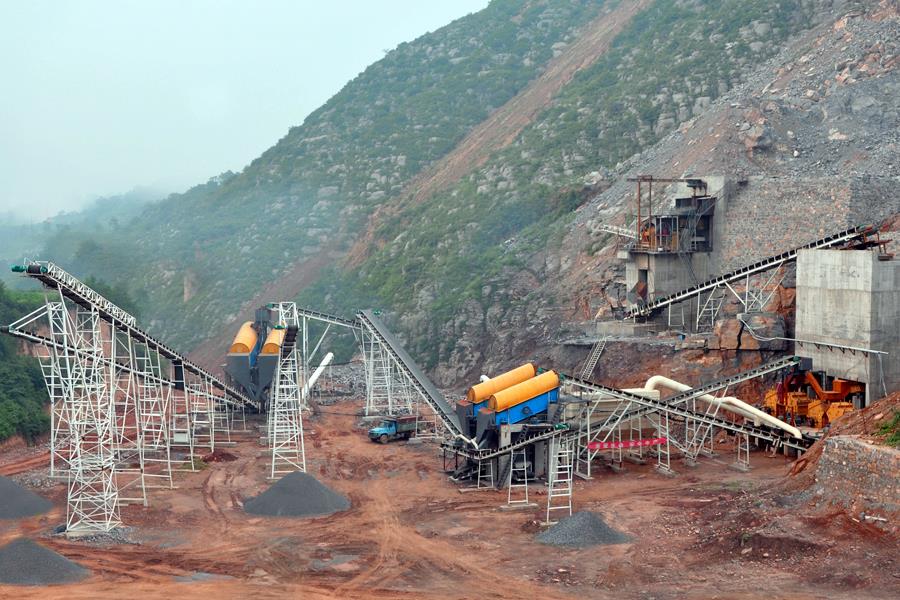
Modern dust collection systems for aggregate processing typically combine multiple filtration technologies to achieve the required emission levels. Pulse-jet baghouse filters, cartridge collectors, and hybrid systems are designed to handle the high dust loads generated by crushers, screens, and conveyor transfer points. Key design considerations include the air-to-cloth ratio, filter media selection, and cleaning system efficiency. Systems that achieve sub‑10 mg/Nm³ emissions typically use high-quality filter media such as polyester or aramid felts with oleophobic finishes, combined with advanced pulse-jet cleaning controls that maintain low pressure drop and consistent performance. In large-scale projects such as the Zhejiang Qinxin 8-million-tonne dry processing line, comprehensive dust collection systems are integrated with pneumatic ash conveying systems to ensure efficient material handling and minimal environmental impact. For operators, the benefits extend beyond regulatory compliance. Efficient dust collection reduces equipment wear, improves operator visibility and safety, and minimises the risk of dust-related explosions. It also supports water conservation by reducing the need for wet suppression systems, which can be particularly valuable in water-scarce regions. At OCP Mechanical, we integrate dust collection systems into our complete plant designs, ensuring that our customers achieve both production efficiency and environmental compliance.
The role of R&D and innovation in advancing dust control technology
The achievement of sub‑10 mg/Nm³ emission levels reflects the importance of sustained research and development in dust control technology. Companies that have reached this level of performance typically invest heavily in R&D, with dedicated engineering teams focused on airflow optimisation, filter media development, and control system refinement. The integration of smart monitoring systems that track pressure drop, emission levels, and filter condition enables predictive maintenance and ensures consistent performance over time. For aggregate producers, partnering with a supplier that has a proven track record of innovation and a commitment to continuous improvement is essential for long-term compliance and operational reliability. OCP Mechanical's engineering team can assist with the design and integration of dust collection systems that meet the specific requirements of your operation, from primary crushing to final product screening.
The broader context – environmental responsibility as a competitive advantage
As environmental regulations tighten globally, aggregate producers who invest in advanced dust control technology are positioning themselves for long-term success. Compliance with emission standards not only avoids penalties and operational restrictions but also enhances a company's reputation with customers, regulators, and local communities. In many markets, the ability to demonstrate environmental responsibility is becoming a key differentiator in securing supply contracts and maintaining a social license to operate. The proven achievement of sub‑10 mg/Nm³ emission levels sets a new standard for the industry, demonstrating that high-performance dust control is both technically feasible and commercially viable. For quarry and mining operators, this represents an opportunity to lead rather than follow in environmental stewardship. OCP Mechanical is committed to supporting our customers in this journey, offering equipment and expertise that enables them to meet and exceed regulatory requirements.
Sample dust control system parameters (For reference only)
| Parameter | Typical Value |
|---|---|
| Emission concentration | ≤10 mg/Nm³ * |
| Filter media type | Polyester / Aramid / PTFE membrane * |
| Air-to-cloth ratio | 1.0‑1.5 m/min * |
| Pulse-jet cleaning pressure | 0.5‑0.7 MPa * |
| Capture rate | ≥95% * |
| System availability | >98% * |
All figures and recommendations are for reference only and are continuously updated. For the latest parameters, please consult our online customer service. Prices are for reference only and are subject to change based on configuration and market conditions. Actual results may vary depending on feed characteristics, operating conditions, and maintenance practices. OCP Mechanical reserves the right to update technical data and pricing without prior notice.
Why OCP Mechanical is your partner for compliant, efficient aggregate production
With over 40 years of manufacturing experience, OCP Mechanical combines engineering excellence with a deep understanding of the regulatory and operational challenges facing aggregate producers. We are a factory-direct supplier, meaning you avoid the markups charged by dealers and intermediaries. Our comprehensive range of crushing and screening equipment is built with high-quality components and is designed for reliable performance in the most demanding applications, including integration with advanced dust collection systems. We provide comprehensive after-sales support, including spare parts availability, technical assistance, and on-site training. Our logistics team has extensive experience shipping to global destinations, ensuring timely delivery of equipment and parts. We are committed to helping you achieve efficient, compliant production that supports your business growth.
Conclusion – Invest in advanced dust control and secure your operational future
The achievement of sub‑10 mg/Nm³ emission levels in large-scale aggregate operations across diverse environments—from sea level to high-altitude sites—demonstrates that high-performance dust control is both achievable and commercially viable. For quarry and mining operators, investing in advanced filtration technology is essential for meeting regulatory requirements, protecting worker health, and maintaining a competitive position. OCP Mechanical offers the equipment, expertise, and factory-direct pricing you need to succeed. Our online customer service team is available 24/7 to provide free consultation, technical data, and a customised quotation for your operation. Click the chat button now – let us help you achieve compliant, efficient aggregate production with reliable dust control solutions.