Best way to crush anhydrite 125 tph with impact crusher
For industrial mineral processors in North America handling anhydrite – a calcium sulfate mineral (CaSO₄) often found in evaporite deposits – choosing the right crushing method is key to producing consistent product for cement, plaster, or chemical applications. Anhydrite is soft to medium‑hard (Mohs 3‑3.5) but can be abrasive if it contains hard impurities. An impact crusher is a widely used choice because it offers high reduction ratios (up to 15:1) and produces a cubical product with minimal fines over‑grinding. Understanding the best way to crush anhydrite 125 tph with impact crusher helps you achieve efficient throughput, low wear costs, and stable product quality. OCP Mechanical Company, a factory‑direct manufacturer with over 40 years of experience, supplies Type I impact crushers designed for North American industrial minerals, backed by 24/7 online support.
Note: Product data are constantly updated; the latest specifications should be confirmed with our online customer service.
Why an impact crusher is a practical choice for anhydrite
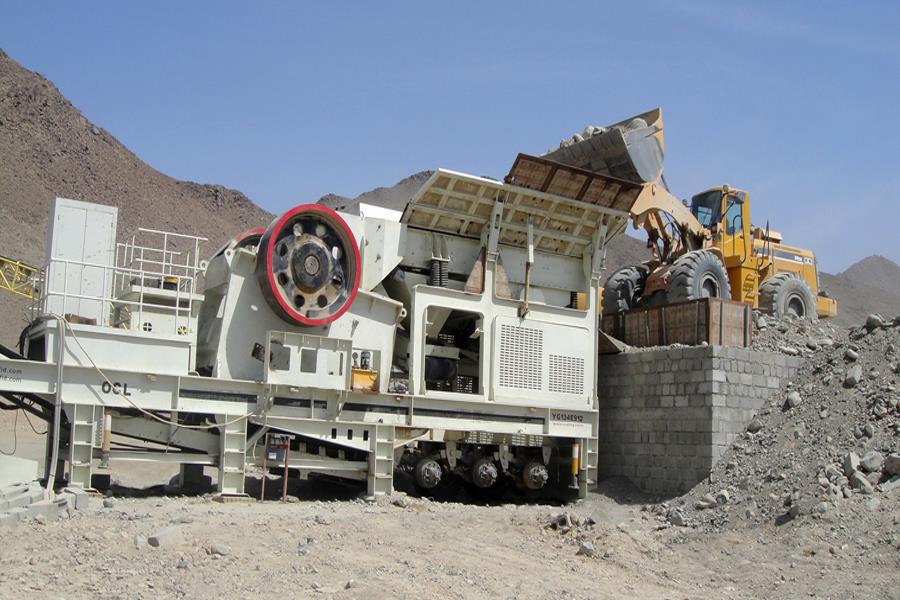
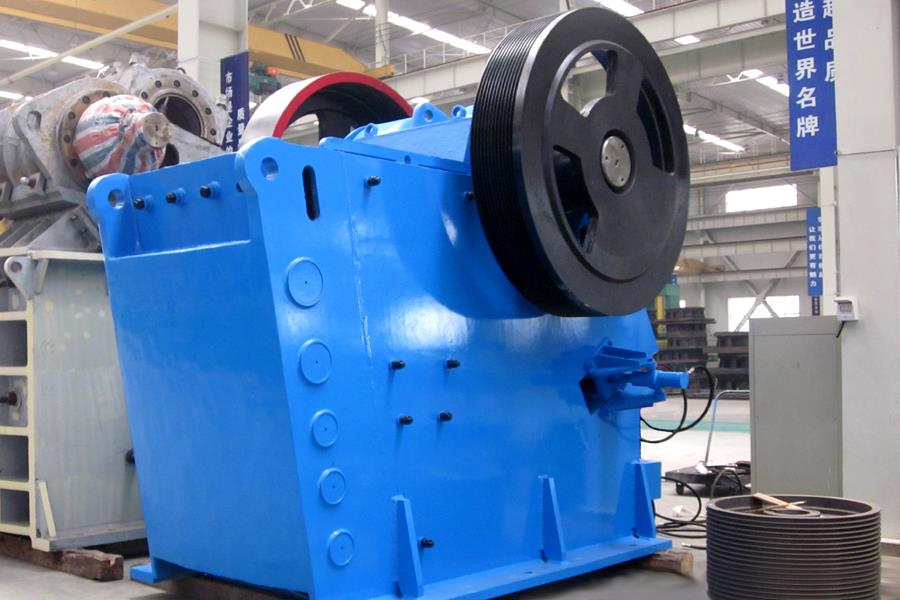
Anhydrite has a compressive strength of 30‑70 MPa, making it relatively easy to crush. However, it can contain hard nodules of dolomite, anhydrite cement, or clay. An impact crusher fractures the material by high‑speed rotor blow bars, producing a cubical product with low flakiness. When you look for the best way to crush anhydrite 125 tph with impact crusher, a Type I‑125 impact crusher (132‑160 kW motor) with a single or double breaker curtain is a widely used configuration. It can accept feed up to 300‑400 mm and produce 115‑140 tph of 0‑40 mm product suitable for cement plants or gypsum board manufacturing. Many North American anhydrite producers have successfully used this crusher size, reporting consistent product shape and manageable blow bar wear.
Key features that lower your cost per ton of anhydrite
To identify the best way to crush anhydrite 125 tph with impact crusher, focus on features that directly reduce operating expenses. The Type I-125 includes reversible Cr20% or Cr26% chrome iron blow bars – Cr20% typically lasts 200‑400 hours in pure anhydrite; Cr26% extends life by 30‑50% when processing material with hard inclusions. Hydraulic curtain adjustment allows operators to change product size in minutes without stopping the crusher. A variable frequency drive (VFD) on the rotor saves 8‑12% on electricity by matching speed to feed conditions. A heavy‑duty rotor with a large moment of inertia ensures consistent crushing force even with variable feed. For dusty applications, an optional dust suppression system (water sprays) keeps emissions low – important for meeting North American environmental standards.
All price information in this article is for reference only; contact our team for a current, site‑specific quote.
Compared to other suppliers, OCP’s factory‑direct model saves 15‑20% on both the crusher and genuine blow bars, with predictable annual maintenance costs.
How to optimize the impact crusher for anhydrite
The best way to crush anhydrite 125 tph with impact crusher also involves proper operational setup. Set the primary curtain gap to 40‑60 mm and the secondary curtain to 15‑25 mm for a typical 0‑40 mm product. For a finer product (e.g., 0‑20 mm for plaster), tighten the secondary curtain to 10‑15 mm. Run the rotor at 500‑600 rpm for anhydrite – lower than for hard rock. This reduces blow bar wear and fines generation. Remove fines below 5‑10 mm using a vibrating grizzly feeder before the crusher; this increases net throughput and reduces abrasive wear on blow bars. Maintain a choke‑fed condition to ensure even distribution of wear on blow bars. Rotate blow bars every 150‑200 hours (if reversible) to extend life by up to 30%. Keep a spare set of blow bars and curtain liners on site – especially during high‑demand seasons.
How to integrate the impact crusher into a complete anhydrite line
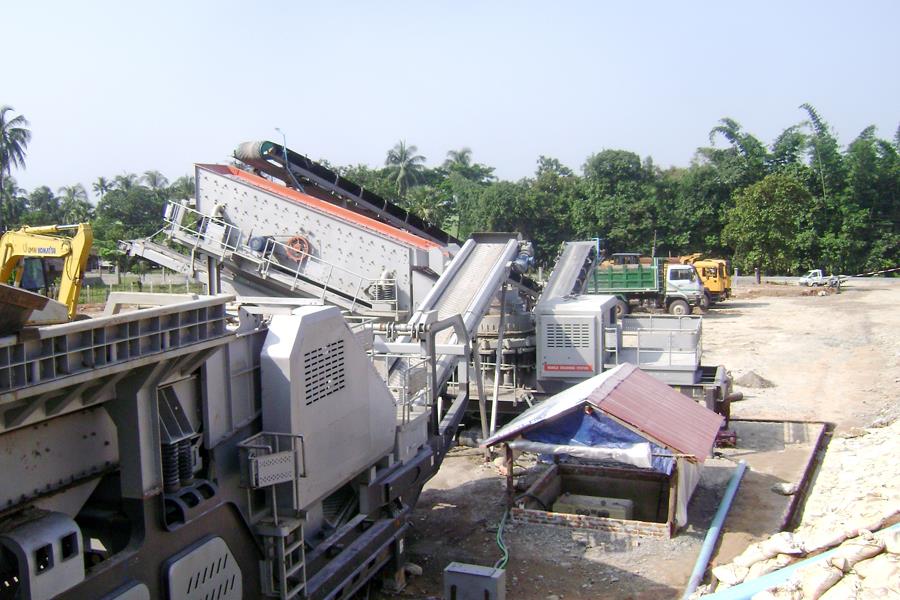
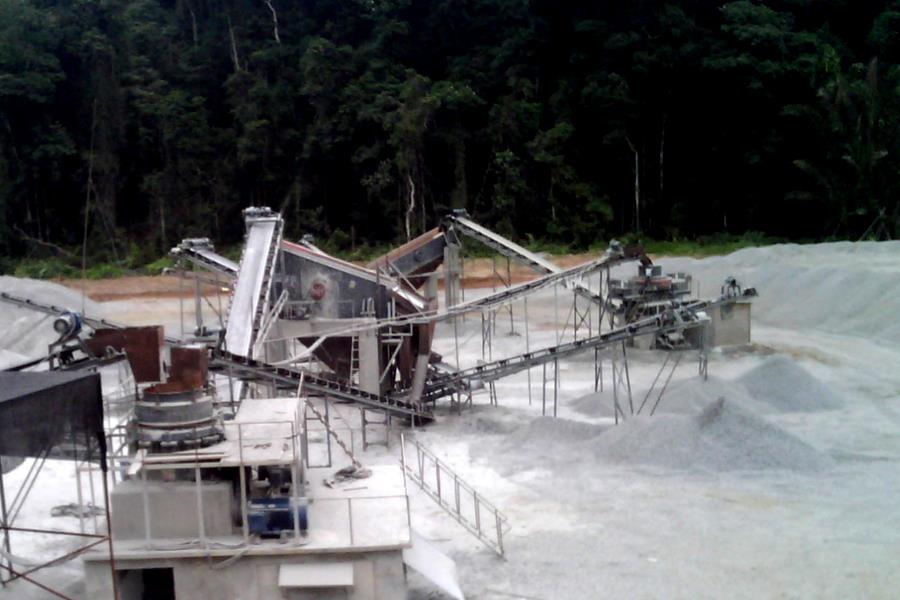
The best way to crush anhydrite 125 tph with impact crusher often involves a closed‑circuit layout. After the impact crusher, a vibrating screen (1,800 x 5,000 mm) with 40 mm apertures returns oversize to the crusher. A magnetic separator removes any tramp iron (uncommon in anhydrite but possible). The product can then go to a classifier or directly to storage. For cement‑grade anhydrite, a secondary screen with 10‑20 mm apertures may be needed. OCP can supply a complete line including conveyors, screen, and control panel. Many North American gypsum and cement plants have adopted this simple, reliable circuit.
Cost estimation and return on investment in North America
A Type I-125 impact crusher ex‑works typically ranges from 45,000to75,000 USD, depending on options (VFD, hydraulic curtains, dust suppression). Shipping to a North American port (e.g., Houston, New Orleans, Vancouver) adds 8,000‑15,000. Installation and commissioning add 15,000‑25,000. Total landed cost is approximately 70,000‑120,000 USD.
Operating costs: blow bars at 0.03‑0.06 per ton, electricity at 0.08‑0.12 per ton, maintenance at 0.02‑0.04 per ton. At 125 tph for 5,000 hours/year, total operating cost is 80,000‑140,000/year. With anhydrite selling for 30‑60 per ton (cement/chemical grade), annual revenue can exceed $3 million, providing a rapid payback on the crusher investment.
All price information in this article is for reference only; actual results depend on market conditions and operating practices.
Why OCP is your trusted partner for anhydrite crushing in North America
Choosing the best way to crush anhydrite 125 tph with impact crusher is only the first step – you also need a supplier who backs you with responsive support and genuine parts. OCP Mechanical Company has four decades of experience in impact crusher technology for industrial minerals. Our 24/7 online team helps with curtain adjustment, blow bar rotation, and troubleshooting. We invite you to request a no‑obligation quote and experience factory‑direct pricing.
For a no‑obligation consultation on the best way to crush anhydrite 125 tph with impact crusher, simply click the live chat icon on this page. Our online customer service team is available 24 hours a day, 7 days a week, to provide free price quotes, equipment recommendations, and installation advice – helping you crush anhydrite more efficiently and profitably.