
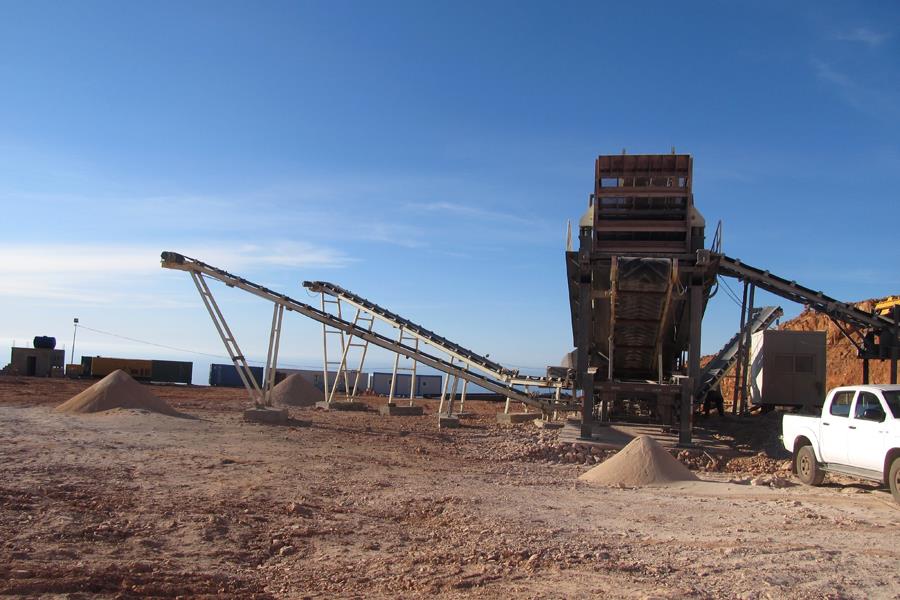
Automation level comparison of cone crushers for copper ore 150 tph in Zambia
Why automation matters for Zambia's copper ore processing
Zambia's Copperbelt province is home to some of the world's richest copper deposits, with operations ranging from large-scale open pits to underground mines. For plant managers and mining engineers, achieving consistent 150 tph throughput while maintaining product quality is a daily challenge. The Automation level comparison of cone crushers for copper ore 150 tph in Zambia has become a critical factor in modern plant design, as automated systems directly influence operating costs, product consistency, and safety outcomes. Higher automation reduces reliance on manual intervention, minimizes human error, and enables real-time optimization of crusher settings. OCP Mechanical Company, with over 40 years of direct manufacturing experience, offers cone crushers across multiple automation tiers—from basic manual control to fully autonomous systems—all at factory-direct prices that deliver exceptional value to Zambian mining operations.
Basic automation: Manual control with mechanical monitoring
Entry-level cone crushers feature manual setting adjustment, mechanical pressure gauges, and basic overload protection. Operators must visually inspect the chamber, manually adjust the closed side setting (CSS), and respond to pressure changes by stopping the feed. While this level is cost-effective upfront, it demands constant operator attention and limits production flexibility. For a 150 tph copper ore application, manual operation typically requires two operators per shift to monitor feed, adjust settings, and respond to variations in ore hardness. The Automation level comparison of cone crushers for copper ore 150 tph in Zambia shows that basic automation suits smaller operations with consistent feed, but struggles with the variable ore grades common in Zambian deposits. OCP offers manual crushers with robust mechanical components, ensuring reliable performance for budget-conscious projects. However, the lack of real-time data means operators cannot optimize CSS dynamically, often resulting in higher recirculating loads and increased wear costs over time.
Intermediate automation: PLC control with remote monitoring
Mid-tier automation includes programmable logic controllers (PLC), hydraulic CSS adjustment, and remote monitoring capabilities. Operators can adjust settings from a control room, view real-time power draw and feed rate data, and receive alarms for abnormal conditions. This level reduces the operator requirement to one person per shift, cutting labor costs by 40-50%. For Zambian copper ore with fluctuating hardness, PLC-based systems can automatically adjust CSS to maintain constant product size, improving downstream grinding efficiency. The Automation level comparison of cone crushers for copper ore 150 tph in Zambia reveals that intermediate automation typically delivers a 12-18% increase in throughput consistency compared with manual operation, while reducing liner wear due to more stable chamber conditions. OCP's PLC systems include user-friendly touchscreen interfaces, local data logging, and optional connectivity to plant SCADA systems. This tier is the most popular choice among Zambian mid-sized mines, balancing investment cost with tangible operational gains.
Advanced automation: Full AI-driven optimization
The highest automation tier features artificial intelligence (AI) algorithms that continuously analyze feed characteristics, power draw, and product size to self-optimize settings. These systems include automatic wear compensation, predictive maintenance alerts, and remote diagnostics via cloud platforms. Operators are needed only for supervision and intervention, reducing labor to minimal levels. Advanced automation can increase effective throughput by up to 10% by maintaining optimal CSS and eccentric speed in real time, even with variable ore feed. For Zambian copper ore, this translates to higher monthly production and lower cost per ton. The Automation level comparison of cone crushers for copper ore 150 tph in Zambia demonstrates that while advanced automation requires a higher initial investment, the payback period is typically 18-24 months through energy savings, reduced liner consumption, and improved recovery rates. OCP offers modular upgrade paths, allowing mines to start with intermediate automation and scale to full AI as budgets allow. All technical data are continuously updated; latest parameters are available through our online support.
Making the right choice for your Zambian operation
Selecting the appropriate automation level involves evaluating your budget, ore variability, and available technical expertise. OCP Mechanical Company offers free consultation on the Automation level comparison of cone crushers for copper ore 150 tph in Zambia, helping you match automation tier to your specific production goals. Our 24-hour online customer service team provides detailed comparisons of control features, operator requirements, and projected ROI. To receive your personalised automation analysis and quote, simply click the chat button on our website or complete the enquiry form with your feed characteristics and site conditions. Our engineers respond within 24 hours with a recommendation, price breakdown, and implementation timeline. All quoted prices and parameters are for reference and subject to final confirmation. Actual results may vary with ore characteristics and operating practices. OCP reserves the right to update technical data and pricing. Partner with OCP to optimize your Zambia copper crushing operation with the right automation level for your needs. Reach out today and crush smarter.
-
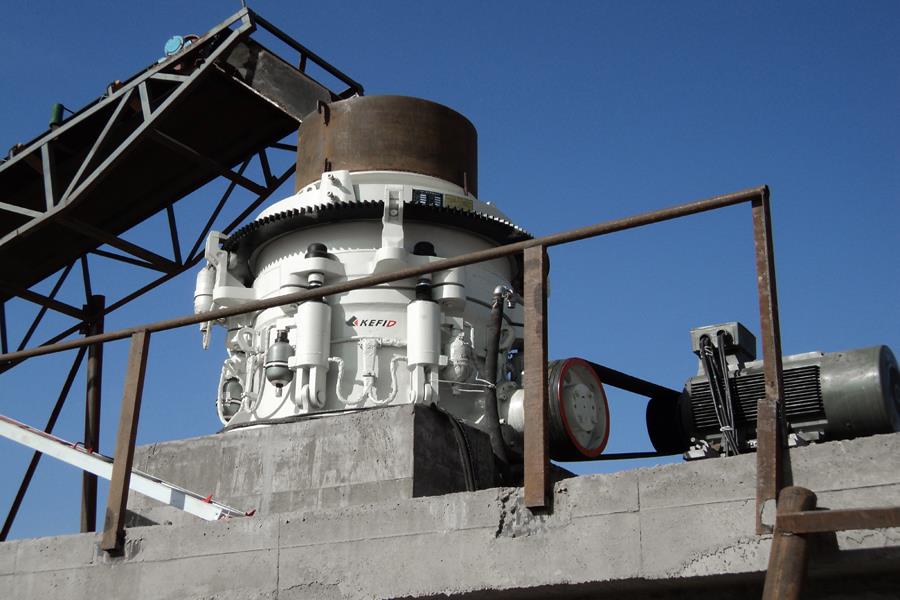
Remote monitoring case study of impact crusher for construction waste 70 tph
-
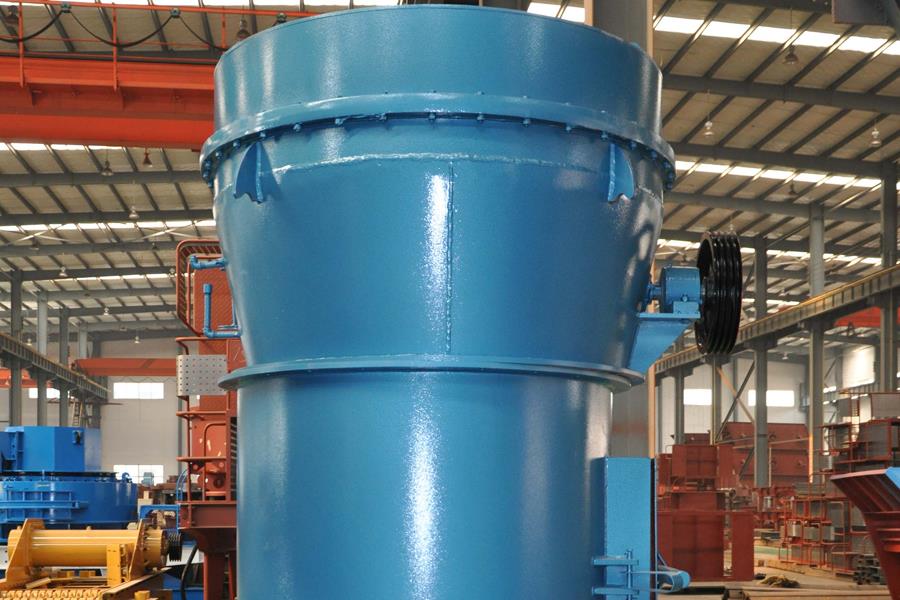
After sales service network of jaw crusher for gold ore 100 tph in Ghana
-
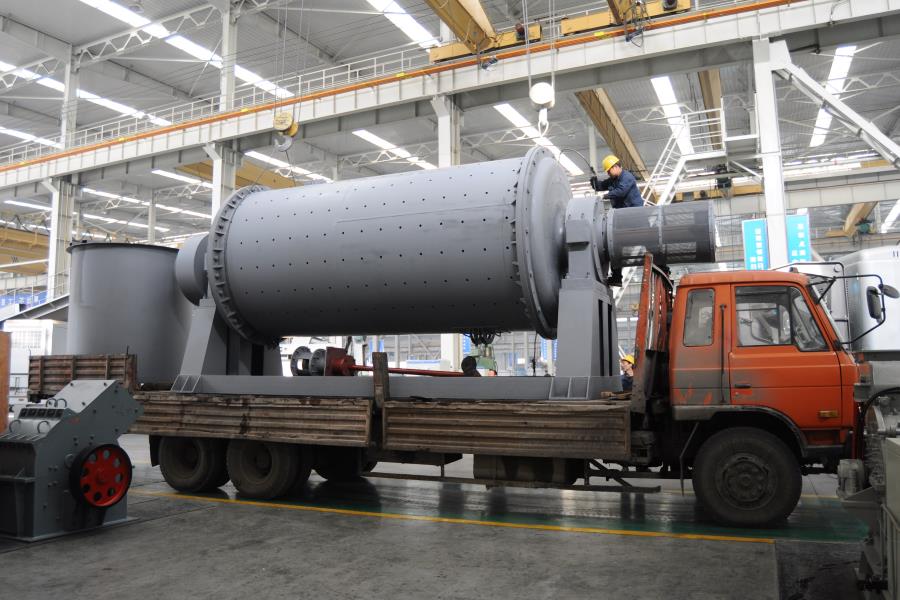
Operator training guide for cone crusher for manganese ore 120 tph in South Africa
-
Payback period of sand washing plant 40 tph for manufactured sand in Vietnam
-
How to reduce downtime of jaw crusher for river pebble 130 tph in Brazil