Brazil is currently leading a massive wave of urban modernization and sustainable infrastructure development across South America. With major metropolitan hubs like São Paulo, Rio de Janeiro, and Brasília facing strict new environmental mandates regarding landfill overcapacity, the recycling of construction and demolition (C&D) waste has transitioned from a niche eco-initiative to a highly profitable industrial necessity. For Brazilian civil engineering firms, municipal contractors, and aggregate producers aiming to process 900 tph of concrete rubble and asphalt into high-value recycled aggregate, integrating a heavy-duty impact crusher is a critical operational milestone.
When sourcing a 900 tph construction waste impact crusher in Brazil, the procurement strategy must extend far beyond the initial machine price tag. Strategic investors calculate the total landed cost, carefully factoring in the high import taxes (Imposto de Importação), the complex maritime logistics through major Brazilian ports, the extreme tropical humidity, and the unique challenges of crushing reinforced concrete. This guide breaks down the pricing structures, circuit configurations, and factory-direct procurement strategies tailored specifically for the Brazilian market.
What Drives the 900 tph Construction Waste Impact Crusher Price?
Construction waste is a highly heterogeneous material, often containing large chunks of reinforced concrete, asphalt, bricks, and unpredictable contaminants like rebar, wood, and plastics. Crushing it requires a heavy-duty impact crusher engineered with a massive deep-cavity rotor, heavy-duty blow bars, a robust hydraulic opening system, and a reinforced steel chassis. The baseline price fluctuates based on several critical engineering variables.
| Cost Factor | Impact on Pricing |
|---|
| Model & Rotor Design | Heavy-duty models (e.g., CI7111 or CI1113 series) cost more but safely handle the high throughput and shock loads of 900 tph C&D waste. |
| Wear Parts & Blow Bars | High-chromium or high-manganese blow bars and impact plates increase upfront costs but drastically reduce long-term wear expenses. |
| Circuit Scope | A standalone crusher is budget-friendly; integrating feeders, screens, and iron removers elevates the total price. |
| Mobility | Fixed stationary plants are standard; mounting the crusher on a modular or tracked mobile chassis significantly increases the price. |
| Logistics & Duties | Shipping to Santos or Paranaguá, high Brazilian import taxes, and inland transit heavily dictate the final landed cost. |
For market reference, standalone heavy-duty impact crushers capable of handling 900 tph of mixed C&D waste typically range from USD 80,000 to USD 180,000 from direct Chinese manufacturers. However, a complete 900 tph construction waste recycling circuit—including a vibrating feeder, jaw crusher for primary reduction, the impact crusher for secondary shaping, multi-layer screens, and magnetic separators—represents a substantially larger investment. These figures serve as baseline estimates and not final quotations for a specific Brazilian project.
Standalone Impact Crusher vs. Complete Recycling Circuit
A standalone impact crusher is ideal if your Brazilian site already possesses a primary jaw crusher, a robust vibrating feeder, conveyors, and an established control system. In this setup, the impact crusher is introduced purely for secondary crushing or final shaping, reducing the pre-screened concrete rubble to a target size (often 0-5mm, 5-10mm, or 10-20mm) for use in sub-base materials, permeable pavements, or recycled concrete blocks.
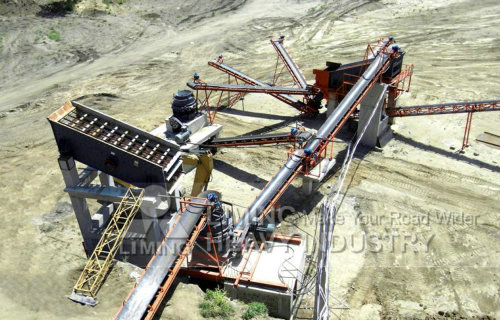
Conversely, a complete recycling circuit is mandatory for new greenfield C&D waste processing plants or comprehensive municipal upgrades. A standard 900 tph construction waste line generally features a heavy-duty vibrating feeder, a PE or PEV series primary jaw crusher (to handle large slabs and rebar), a heavy-duty impact crusher (like the CI7111), multi-layer vibrating screens, and overhead magnetic separators to extract steel. While a full circuit demands a higher initial capital expenditure, it offers a transparent view of total project costs and guarantees that the final recycled aggregate grading aligns with the strict standards of local Brazilian construction authorities.
Choosing the Right Impact Crusher for Brazilian C&D Waste
Construction waste collected from urban demolition sites in São Paulo or Rio often arrives with high moisture content, sticky clay, and a high volume of embedded rebar. The impact crusher must be selected based on the maximum feed size (often up to 400-600mm for this capacity) and the required discharge setting.
For a 900 tph capacity processing mixed C&D waste, a heavy-duty impact crusher (e.g., CI7111 or CI1113) is highly recommended. These models boast a massive high-speed rotor for excellent particle shaping, a capacity range of 600-1000 tph (providing a comfortable operational buffer during peak demolition activity), and a robust hydraulic cabinet-opening system for rapid blow bar replacement. Crucially, the crusher must feature a multi-stage impact curtain design to ensure progressive reduction and a high reduction ratio, while the rotor design must accommodate the safe passage of un-crushable contaminants without catastrophic failure.
Fixed Plant vs. Mobile Plant in Brazil
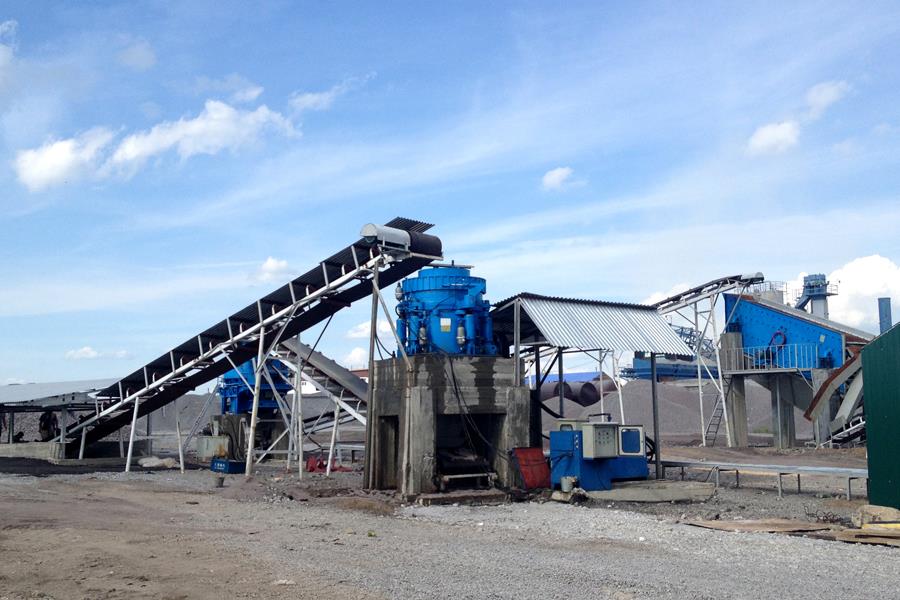
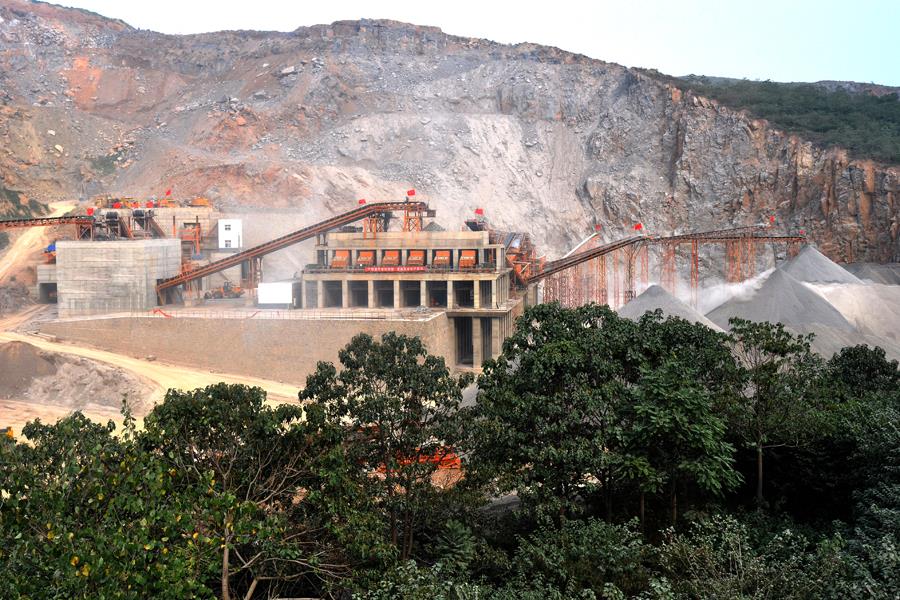
Stationary crushing plants remain the gold standard for permanent C&D waste transfer stations and large-scale municipal recycling facilities in Brazil. They deliver stable, high-volume throughput, simplify maintenance access, and easily integrate with large-scale dust suppression and water washing systems.
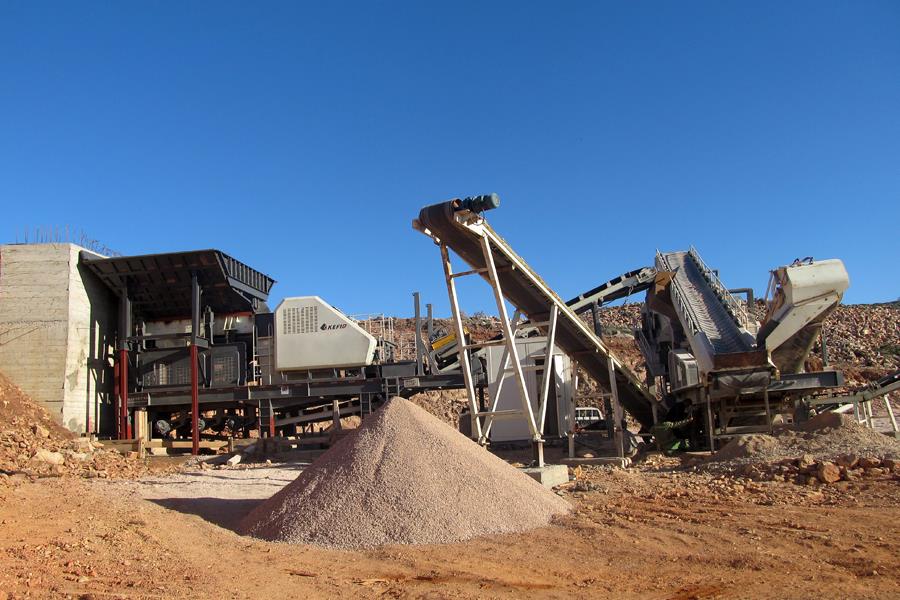
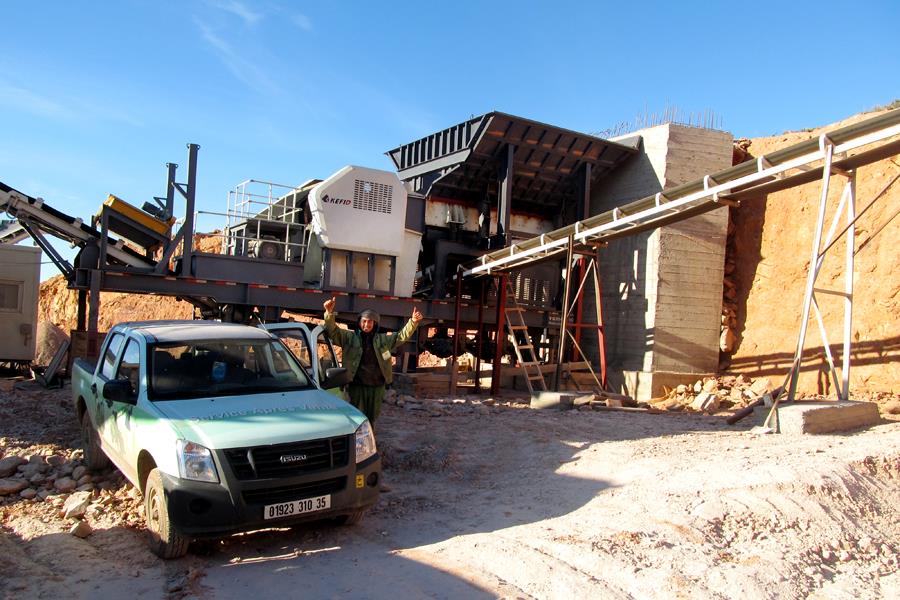
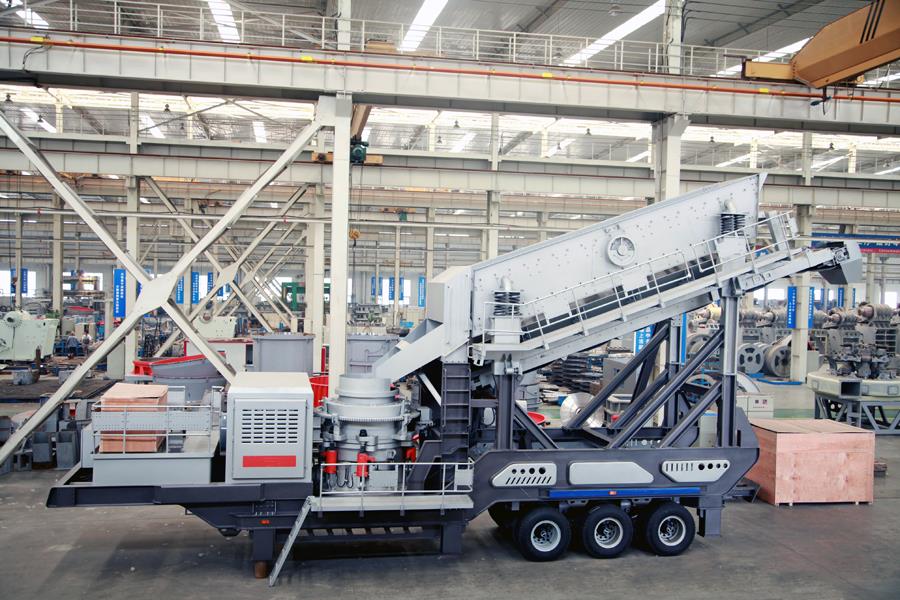
Mobile or tracked crushing plants are increasingly popular among private contractors working on temporary urban redevelopment projects, highway expansions, or scattered demolition sites. Brazil's vast geography and the frequent relocation of urban project sites make wheeled or tracked mobile plants highly advantageous, as they require minimal foundation work and can be rapidly deployed. However, they demand meticulous planning for onboard power generation and wear-part logistics in dense urban environments.
Brazilian Site and Logistics Factors
When budgeting for an impact crusher in Brazil, local operational conditions must heavily influence your engineering and financial planning:
Port Logistics & Import Duties: Transporting heavy machinery usually involves routing through the Port of Santos or Paranaguá. Brazilian import duties for mining machinery are notoriously high, often requiring a complex calculation of II (Import Tax), IPI, PIS/COFINS, and ICMS. Accurate HS Code classification and partnership with a reliable local customs broker are vital to avoid unexpected tax burdens and port demurrage.
Climate Adaptation: Brazil's tropical climate, characterized by high humidity, heavy monsoon rains, and intense UV exposure, requires specific engineering. Electrical panels must feature high IP ratings to combat moisture and dust, and structural steel must be treated with marine-grade anti-corrosion coatings.
Power Grid Stability: Motor ratings and starting mechanisms must align with local grid standards (e.g., 220V/380V/440V depending on the state). In remote provincial areas or temporary urban sites where grid power is unreliable, plants equipped with dual-power systems (capable of running on grid electricity or heavy-duty diesel generators) are essential to prevent costly operational halts.
Dust Control & Environmental Compliance: Dry crushing of concrete and asphalt generates significant particulate matter. To comply with strict Brazilian environmental regulations (IBAMA and state-level agencies), enclosed transfer chutes, misting dust suppression systems, and covered conveyors are non-negotiable for worker safety and site compliance.
How to Secure an Accurate Quotation
To obtain a precise quotation for a 900 tph construction waste impact crusher, suppliers require comprehensive project data, not just a target tonnage. Providing the following details ensures an optimized, cost-effective solution:
Material specifics: Percentage of concrete, asphalt, bricks, and the maximum volume of rebar or contaminants.
Maximum feed size directly from the excavator or primary jaw crusher.
Target discharge sizes (e.g., 0-5mm, 5-10mm, 10-20mm) and the required capacity.
Whether you require a standalone impact crusher or a full circuit including feeders, screens, and magnetic separators.
Site power availability, voltage, and preference for electric vs. diesel drive.
Capacity, model selection, and price data are for reference only; please confirm current parameters with customer service.
OCP Mechanical Company is a premier Chinese direct manufacturer boasting over 40 years of expertise in crushing, screening, and mineral processing equipment. We supply heavy-duty impact crushers, jaw crushers, cone crushers, vibrating screens, and complete construction waste recycling lines. Because we operate our own manufacturing facilities, customers can directly consult our engineering team on material sampling, circuit layout, and spare-part strategies, guaranteeing competitive factory-direct pricing without intermediary markups.
If you require assistance configuring a 900 tph construction waste impact crushing plant in Brazil, please send us your material characteristics, feed size, target product specifications, and site location. Our customer service team is available online 24 hours a day. Click the website chat button to receive a free consultation, a preliminary quotation, and expert model selection advice.
Technical data, models, and prices are subject to change; final confirmation shall be made through customer service. Actual performance may vary depending on material characteristics, operating conditions, installation, and maintenance. Price information shown here is for reference only.