
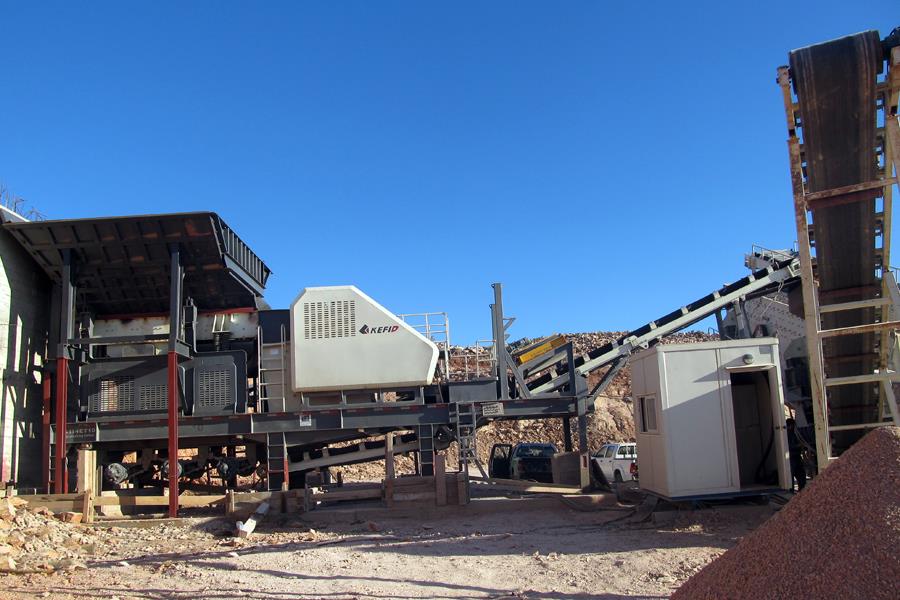
80 TPH Silica Sand Screw Washer Maintenance Guide for Cambodian Operations
Phnom Penh‘s Infrastructure Surge: Why Reliable Sand Washing Matters Now More Than Ever
Phnom Penh is at the centre of one of Southeast Asia’s most ambitious infrastructure buildouts, creating sustained demand for high-quality washed silica sand across the capital and surrounding provinces. The Cambodia SuperPort project, a USD 300 million logistics complex in Kampong Speu province, broke ground in August 2026. The USD 60 million Bassac River Bridge project has reached 73% completion. Section II of the Funan Techo Canal, a 151.6-kilometre strategic waterway connecting Phnom Penh to the sea, launched construction in April 2026. A new phase of Phnom Penh‘s largest water treatment plant is now approximately 72% complete. These mega-projects, together with ongoing urban development and road construction, are driving explosive demand for construction aggregates and processed sand. Cambodia’s construction aggregates market is projected to expand at a high growth rate of 12.09% by 2027. For quarry operators supplying washed silica sand to these projects, an 80 TPH screw washer is essential infrastructure—and keeping it running reliably requires a disciplined maintenance programme.
Daily Inspections: The Foundation of Screw Washer Reliability
Effective maintenance of an 80 TPH silica sand screw washer begins with daily inspections. Establishing a preventative maintenance schedule is key to obtaining peak operating efficiency. Before starting the screw sand washer, operators should rotate the rotor by hand to check for any abnormalities in all parts of the machine. The weirs allowing the overflow of water and undesirable fines should be checked to ensure they are level and positioned to retain the fine sand desired while removing undesirable excess fines. For an 80 TPH silica sand operation in Cambodia, where feed material can vary significantly between dry-season and wet-season conditions, these daily checks are essential for catching small issues before they become major failures. Operators should also listen for unusual noises, check for seal leaks, and verify that the screw rotates in the correct direction—not in reverse. All product specifications are continuously updated; please consult our online customer service for the latest technical parameters tailored to your application.
Lubrication: Protecting the Heart of Your Screw Washer
Proper lubrication is the single most important factor in extending the service life of a sand screw washer. Bearings and reducers are the core transmission parts of sand washers. Regularly lubricate the bearings supporting each end of the screw shaft, following manufacturer recommendations. The lubrication requirements of seals on submerged rear bearings may be more frequent than the requirements of the bearing itself. For the gearbox, it should be cleaned and the oil changed after 3–6 months of operation, and bearing housings require replacement of the grease (calcium-based) every 6–12 months. It is recommended to check the lubricating oil level every week, adding or replacing lubricating oil in time and choosing high-quality lubricating oil that meets the equipment requirements. For Cambodian operations in tropical climates with high humidity and temperatures, more frequent lubrication checks may be necessary to prevent moisture ingress and premature bearing failure. High-pressure oil should be injected into the bearing every 4 hours to ensure the sealing of the bearing.
Wear Component Monitoring: Maximising Screw Shoe and Flight Life
Screw shoes and flights are the most heavily worn components on a sand screw washer. In a normal sand screw application, the middle third of a shaft‘s wear shoes—around the tub’s water line—experiences the most wear. Experience shows that shoes follow a typical wear pattern from day one. After three or four years, replacing one-third of the shoes annually is the most cost-effective maintenance approach. For an 80 TPH silica sand screw washer in Cambodia, where feed material may include sharp or angular sand particles, operators should inspect wear shoes regularly and replace them before they wear through to the shaft. The screw shaft and trough should also be monitored for wear. Once severe wear is found, replace the parts in time to avoid affecting the cleaning effect and causing secondary damage to the equipment. Regular inspection of the outboard bearing vent opening relief slot for evidence of water leakage is critical—this typically indicates a leaky shaft seal that should be replaced promptly.
Operational Best Practices: Preventing Common Problems
Several operational practices can significantly extend the life of a sand screw washer and prevent common problems. Excessive screw speed prevents proper stratification of material. If you notice a heavy buildup, reduce the feed rate to restore balance and avoid unnecessary wear on the screw flights. For silt dilution issues, flush out the tub with clean water and temporarily cut the feed in half. Start the machine before feeding material, and stop the feed before stopping the machine. This prevents material build-up and reduces stress on the drive system. Maintain adequate fresh water flow—if you have corner buildup in the back of your screw, you need more fresh water or need to cut your feed. For Cambodian operations processing silica sand with variable moisture content, these operational adjustments are essential to maintaining consistent product quality and minimising wear on critical components. All price information provided is for reference only; final quotes depend on equipment configuration, shipping terms, optional features, and current exchange rates.
Seasonal and Environmental Maintenance for Tropical Conditions
Cambodia‘s tropical climate—with distinct wet and dry seasons—requires operators to adapt their maintenance practices seasonally. Seasonal maintenance of sand washing equipment is important, involving changing engine oil, fuel, and antifreeze, and adding refrigeration equipment where needed. During the rainy season, increased feed moisture can cause material build-up and reduce screening efficiency. Operators should increase the frequency of inspections and cleanings during this period. During the dry season, dust accumulation can affect electrical systems and moving parts—regular cleaning of motors and control panels is essential. For an 80 TPH silica sand screw washer in Cambodia, implementing a seasonal maintenance schedule that accounts for these environmental variations will significantly extend equipment life and reduce unplanned downtime. The gearbox should be cleaned and the oil replaced after 3-6 months of operation, with bearing housing grease replaced every 6-12 months.
Why OCP Mechanical Company Is Your Trusted Partner for Sand Washing Solutions
With over 40 years of manufacturing experience and exports to more than 180 countries and regions worldwide, OCP Mechanical Company brings proven expertise to Cambodia‘s expanding silica sand processing sector. Our product range includes screw sand washers, wheel sand washers, dewatering screens, hydrocyclones, jaw crushers, cone crushers, impact crushers, VSI crushers, vibrating screens, feeders, and complete crushing and screening plants—all brand-new and built to rigorous quality standards. We understand the specific requirements of silica sand operations in Cambodia: equipment must handle abrasive material efficiently while delivering consistent product quality and minimising downtime. As a direct factory manufacturer, we eliminate distributor margins, passing the savings directly to you. This is particularly valuable in the Cambodian market, where import costs and logistics can add significant expense to capital equipment purchases. All price information provided is for reference only; final quotes depend on equipment configuration, shipping terms, optional features, and current exchange rates. Our engineering team works closely with each customer to design custom sand washing plants that match specific site conditions, feed characteristics, and production targets. Product specifications are continuously updated; please consult our online customer service for the latest technical parameters tailored to your application.
Complete Sand Washing Solutions and After-Sales Support for Cambodian Operations
A sand screw washer is most effective when integrated into a complete sand processing line. OCP Mechanical Company supplies complete sand washing and dewatering plants that include vibrating screens for classification, screw washers for washing and dewatering, hydrocyclones for fines recovery, and dewatering screens for final moisture reduction. Every component is matched to the capacity of your 80 TPH silica sand screw washer in Cambodia, preventing bottlenecks and ensuring smooth continuous operation across multiple shifts. Our after-sales support includes remote diagnostics, spare parts delivery, and wear-part prediction services to minimise downtime and extend equipment life. With the Cambodia construction aggregates market projected to grow at 12.09% by 2027 and the country‘s infrastructure boom continuing through major projects like the Cambodia SuperPort and Funan Techo Canal, ensuring your sand washing plant remains operational is essential to capitalising on market opportunities. Our team is available to assist with installation supervision, commissioning, and ongoing operational questions. With a 40-year track record of reliability and customer satisfaction, we have built lasting relationships with clients across the globe—relationships based on trust, performance, and mutual success.
Your Next Step: Get Expert Maintenance Guidance and a Custom Quote
Cambodia‘s infrastructure transformation—from the USD 300 million Cambodia SuperPort and USD 60 million Bassac River Bridge to the Funan Techo Canal and Phnom Penh’s water treatment expansion—presents a significant opportunity for silica sand processors and quarry operators. For operators running an 80 TPH silica sand screw washer in Cambodia, proper maintenance—daily inspections, regular lubrication, wear component monitoring, operational best practices, and seasonal adjustments—is the key to maximising uptime, controlling costs, and producing specification-grade washed sand. OCP Mechanical Company offers factory-direct, high-quality sand screw washers and complete sand washing solutions engineered for durability, energy efficiency, and low total cost of ownership—all at competitive prices. Our online customer service is available 24 hours a day, seven days a week, to provide free consultations, updated price references, and equipment selection guidance. Click the chat button now to discuss your project with a specialist—we are ready to help you build a more efficient and profitable sand processing operation in Cambodia.
-
China Sand and Gravel Industry CR10 Reaches 28.4% as Market Consolidation Accelerates
-
-
Metso Summit 2026 Showcases Five Major Innovations for Global Mining
-
-
Laizhou Stone Industry Conference Highlights Green Mining and Customised Crushing Solutions



