
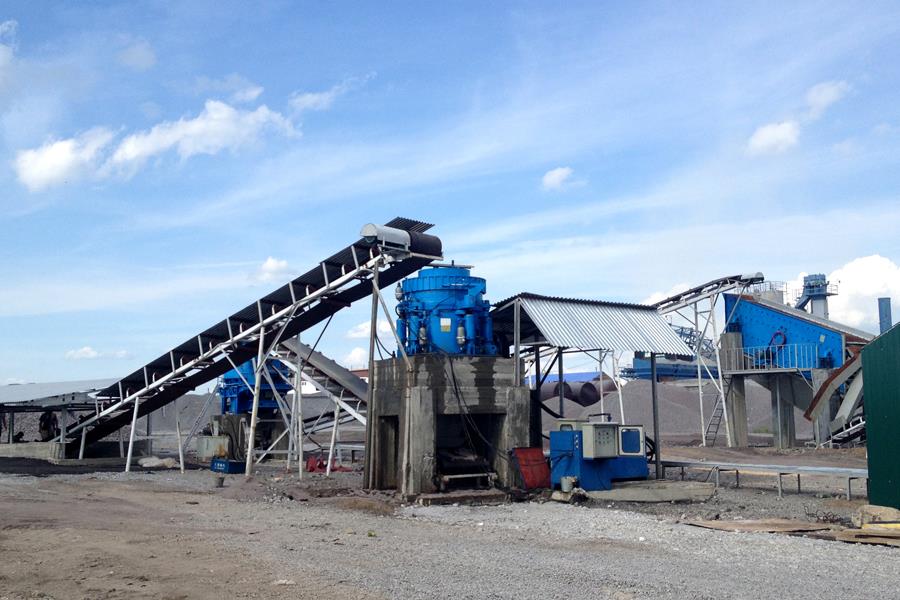
500 tph Vibrating Screen Supplier in South Africa: What to Ask
The brief you send decides the answer you get
Contacting a supplier for a 500 tph vibrating screen in South Africa starts with what you put in the message. A message that says only "send price" gets a catalogue range; a message carrying feed size, product sizes, moisture, location and power returns a number you can compare. The supplier you call should be asked the same questions in the same order. 500 tph vibrating screen supplier in South Africa: what to ask before the first quotation.
One large screen, or two in parallel
At 500 tph the coarse sizing duty usually points to a banana-shaped multi-slope screen around 3.0 by 7.3 metres, sized for the feed and the cut points. The alternative is two 2.4 by 6.1 metre units in parallel, which loses less capacity during a deck repair but costs more in structure and conveyors. Decide how much downtime you will accept before the supplier quotes either arrangement. Availability, not tonnage alone, settles the choice.
Cut points and how many decks
Each product needs a deck: two decks make three products, three decks make four. Local quarry markets buy standard crushed stone fractions, and coal customers specify their own top size and fines limits. List the fractions you sell and the fines you can dispose of; a screen that makes a product with no buyer is over-decked. State the efficiency you need at the finest cut, because that aperture drives the area more than the feed tonnage.
Media matched to local rock and moisture
Woven wire is cheap but short-lived in abrasive dolerite or quartzite. Polyurethane panels last longer, resist blinding and suit damp fines; rubber handles coarse impact. Ask for cost per tonne screened on each option, not price per panel. Where plants run year round through dry and wet seasons, the media choice also decides how often decks have to be opened and cleaned.
Load shedding and the power question
Grid supply is interrupted on a rolling schedule in many provinces, and voltage dips hit big screen motors harder than small ones. The quotation should state motor rating, starting method, protection and whether a VFD or soft starter is included. If the plant runs on a generator for parts of the day, size the fuel and the starting current around it. A screen specified for an uninterrupted grid will trip its way through load shedding.
Safety standards and site approval
A screen destined for a mine site has to satisfy the departmental requirements and guarding code that apply there; a quarry plant follows SANS-type machinery safety practice. Ask for guarding drawings, emergency stop positions, interlocked access and the documentation your risk officer will inspect. Many importers discover at erection that the guards were designed for another jurisdiction. Put standards into the brief, not the complaint file.
Warranty and who supports the plant locally
Frames last; bearings, exciter shafts, drives and media do not. Ask what the warranty covers, how wear parts are priced, and how fast a bearing or panel reaches a site in Gauteng, Mpumalanga, Limpopo or KwaZulu-Natal. South Africa has a capable local artisan base, so installation can often use local crews under guidance; what usually cannot be sourced locally is the engineered replacement part. Confirm the spare parts route before the order.
Landed cost through Durban, Richards Bay or Gqeberha
Coastal plants unload at Durban, Richards Bay or Gqeberha; inland sites add a road leg that can carry abnormal load permits and crane hire. Ask for a delivered price with the route and unloading plan described, not an FOB figure that stops at the quay. VAT and duty are applied under the classification your broker uses. Duty and tax treatment depends on classification; confirm with your broker.
Budget envelope for 500 tph
A 500 tph high-tonnage screen lands roughly between USD 45,000 and 90,000 depending on size, decks, exciter type and media. The complete screening station with structure, chutes, liners and conveyors runs about USD 150,000 to 280,000 before civils. Prices are indicative and for reference only. Ask each supplier to price the first media set and a bearing kit alongside the machine.
How OCP answers the supplier checklist
OCP Mechanical Company has built screening and crushing equipment for more than 40 years: jaw and cone crushers, impact and VSI machines, feeders, vibrating screens, sand washers and complete lines for aggregate, coal and metal ores. We quote the arrangement against your cut points and your power situation, ship direct from the factory, and agree a spare parts route before commissioning. A 500 tph vibrating screen supplier in South Africa should be able to answer every question above on paper.
Send the gradation, the fractions and the province
Give us your feed gradation, required fractions, moisture, site province and power arrangement, and we will return two screen layouts with media options and a delivered price, free of charge. The chat button on this site reaches an engineer 24 hours a day. A 500 tph vibrating screen supplier in South Africa earns the order on documentation and support, not on the lowest frame price. Capacity and price figures above are indicative and updated continuously.
Notes: Actual results vary with material characteristics, operating conditions, installation and maintenance practice. OCP Mechanical Company reserves the right to update technical data and prices. All prices and parameters above are for reference only — confirm final figures with our team.
-
-
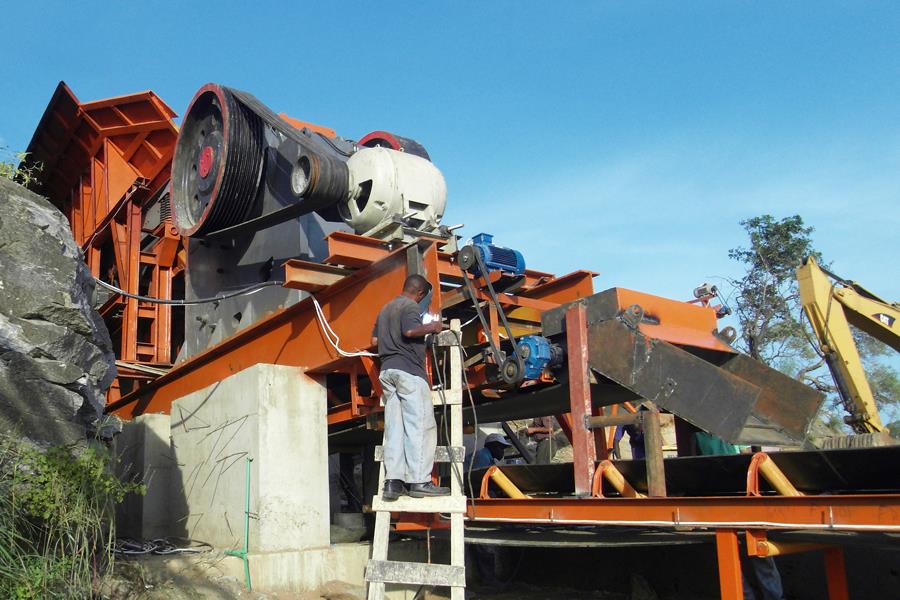
Rock Salt Crushing Plant Supplier Nigeria: Lessons from Salt Cavern Energy Storage
-
-
-
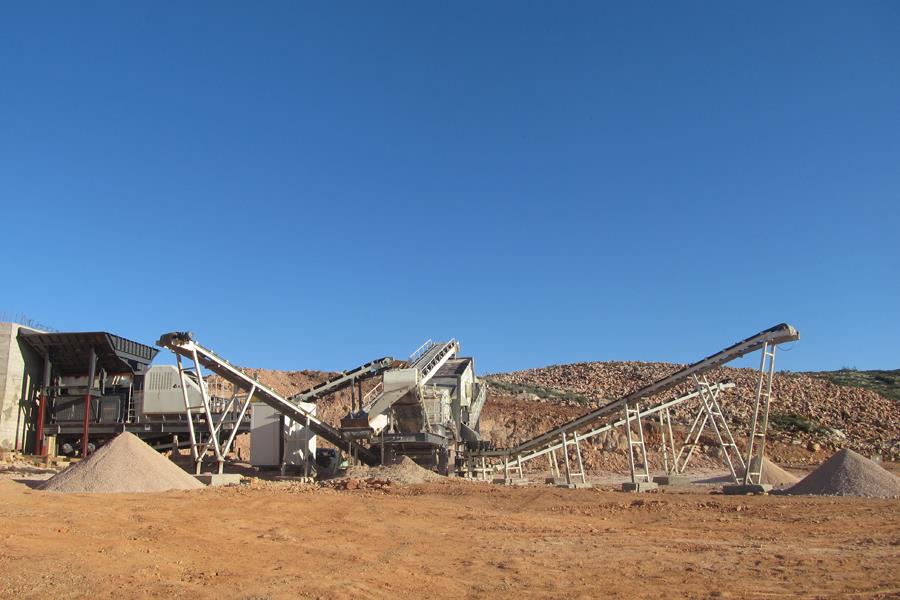
Intelligent Crushing Plant Automation Supplier Nigeria: Block Size Monitoring and Tramp Iron Removal