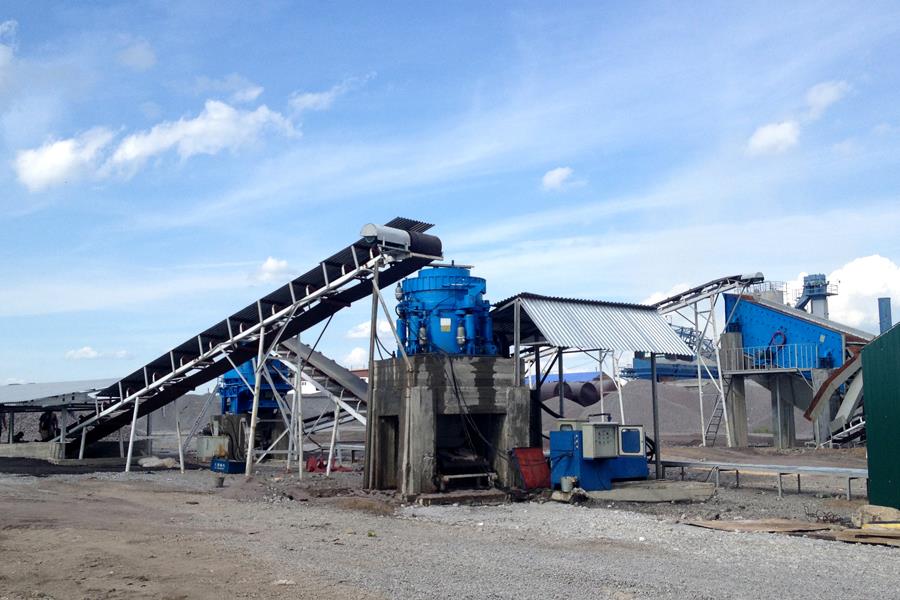
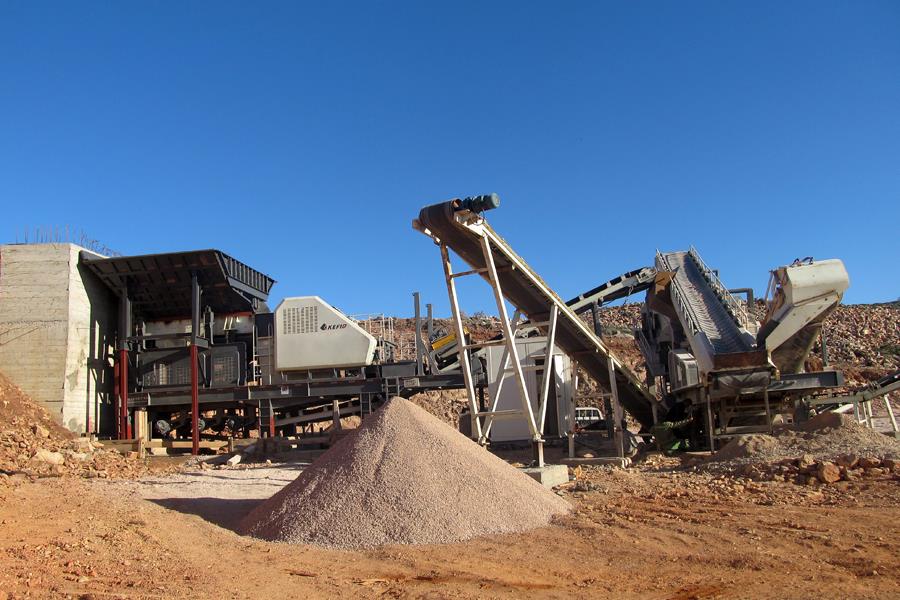
50-70 TPH Silica Sand Screw Washer Maintenance in Cambodia
Why a structured maintenance program for your silica sand screw washer is essential for Cambodian quarry and aggregate operations
Cambodia's construction sector continues its rapid expansion, driven by infrastructure projects, real estate developments and industrial ventures across the country. The Ministry of Water Resources and Meteorology has emphasised that responsible sand management is essential for supporting this growth, with an uninterrupted supply of sand critical to sustaining investor confidence and enabling timely project completion. The silica sand market in Cambodia is anticipated to reach a growth rate of 12.69 per cent, driven by various industries including construction and glass manufacturing. For quarry operators and aggregate producers processing silica sand at 50-70 tonnes per hour, the screw washer is one of the most critical pieces of equipment in the washing circuit. It removes clay, silt, and impurities from silica sand to produce a clean, specification-grade product for construction, glass manufacturing, and industrial applications. Because these systems operate in wet, abrasive conditions and process high volumes of material, components are constantly exposed to wear and stress. Understanding the 50-70 TPH silica sand screw washer maintenance in Cambodia is therefore essential for maintaining production efficiency, controlling operating costs, and maximising equipment lifespan. At OCP Mechanical Company, with over 40 years of manufacturing experience, we supply high-performance sand screw washers engineered for reliable operation in demanding conditions, and we provide practical maintenance guidance to help Cambodian operators achieve long-term equipment reliability.
Why maintenance matters for your sand screw washer
Sand washing plants are designed to remove impurities like clay, silt and dust while producing specification-grade sand for construction and industrial uses. Without proper maintenance, operations can quickly face issues such as reduced efficiency, excess fines loss and unplanned downtime. Without proper care, wear and tear can lead to reduced production efficiency, poor sand classification and quality, increased downtime and repair costs, and shortened equipment lifespan. A structured maintenance plan helps prevent these issues before they impact your operation. A proactive maintenance approach allows operators to improve equipment reliability, maintain consistent sand classification, extend equipment lifespan, and reduce emergency repairs and downtime. In Cambodia's growing construction market, where demand for specification-grade sand is rising and regulatory oversight of sand resources is tightening, the ability to maintain consistent production is a significant competitive advantage.
Daily maintenance – the foundation of reliable operation
A disciplined daily maintenance routine is the first line of defence against unexpected breakdowns. Routine inspections are your first line of defence. Make it a habit to visually assess your equipment daily or weekly depending on usage. Operators should perform a thorough pre-shift inspection of the screw washer. This includes checking for excessive wear on paddles, screws and liners, loose bolts or structural components, leaks in water lines or seals, and unusual vibration or noise. Catching small issues early prevents larger, more expensive failures later. The water system should also be checked daily; water pressure and flow rates, weir settings, and spray bars and nozzles should be inspected for clogs. Consistent water management helps maintain optimal sand gradation and recovery. These daily checks, when performed consistently, catch developing issues before they become costly failures. Our sand screw washers are designed with accessible inspection points that simplify these daily checks, enabling operators to maintain consistent oversight. All product specifications, including capacity and power ratings, are continuously updated; for the latest parameters, please consult our online customer service.
Monitoring wear components – the key to extending equipment life
Components like screw shafts, paddles, flights and weirs are constantly exposed to abrasive materials, naturally degrading over time. In a typical sand screw application, the middle third of a shaft's wear shoes—around the tub's water line—will usually wear out within three to four years. The following year, the shoes at the tub's discharge should wear out, followed by the ones at the feed end, typically under the water. The most cost-effective maintenance approach is to replace one-third of the shoes annually after the initial three- to four-year period. Many operators overlook this simple routine in an effort to streamline maintenance, often to their detriment. Running equipment with worn components can reduce efficiency and negatively impact sand quality. Operators should measure wear at regular intervals and replace parts before they fail completely. Keeping critical spare parts on hand is also essential. Selecting the right shoes for the application is equally important. Shoes are commonly made of materials like A532 cast iron (Ni-Hard), rubber and urethane, with each offering advantages in distinct applications. Ni-Hard is the best option for shoes when working with crushed aggregates, high-silica feed, glass or metals. Rubber is particularly useful in applications such as natural aggregates, crushed limestone or frac sand. Urethane can perform well in natural material, but is less durable in sharp material. For silica sand, which is often sharp and abrasive, Ni-Hard shoes typically offer the best wear resistance.
Proper lubrication – the lifeblood of your screw washer
Lubrication is essential to reducing friction and preventing premature wear in bearings and gearboxes. Key tips include following the manufacturer's lubrication schedule, using the correct type and grade of lubricant, avoiding over-lubrication which can damage seals, and checking for contamination such as water, sand, and debris. Proper lubrication ensures smoother operation and longer equipment life. The gearbox oil level should be checked regularly, with the oil level typically reaching two-thirds of the oil level indicator. Generally, gearboxes should be inspected for excessive heat. All fasteners should be carefully checked for tightness, and if any looseness is found, it should be eliminated immediately. Bearing lubrication should also be checked on schedule. In Cambodia's tropical climate, with high temperatures and humidity, more frequent lubrication checks may be necessary to prevent contamination and maintain performance.
Keeping equipment clean and properly aligned
Sand washing plants naturally collect buildup over time, especially in hard-to-reach areas. Cleaning routines should include removing material buildup from tanks and screws, flushing out sediment and debris, and keeping walkways and access points clear. Clean equipment not only operates better but also makes inspection and maintenance easier. Improper alignment or leveling can cause uneven wear, poor performance and mechanical stress. Focus areas include ensuring screws and shafts are aligned correctly, checking tank level and support structures, and correcting any shifting or settling foundations. Even slight misalignment can significantly impact long-term performance. Because sand washing plants operate in wet environments, corrosion is a constant concern. Prevention strategies include using coatings or protective finishes when applicable, inspecting for rust and addressing it early, and storing equipment properly during downtime. Corrosion control helps maintain structural integrity and extends equipment lifespan.
Seasonal maintenance considerations for Cambodian operations
Cambodia's tropical climate, with its distinct wet and dry seasons, requires additional attention to maintenance. Seasonal maintenance of sand washing equipment is also very important, mainly to change oil, fuel oil, antifreeze, and add refrigeration facilities. During the rainy season, increased moisture and flooding can accelerate corrosion and contaminate lubrication systems. Operators should pay particular attention to sealing devices and water drainage systems. During the dry season, dust accumulation can affect electrical components and cooling systems. A well-planned seasonal maintenance schedule helps protect your equipment and maintain consistent production throughout the year.
Common problems and troubleshooting
Even with regular maintenance, operators may encounter common problems. Material blocking at the outlet is often caused by too fast feeding or accumulation at the outlet. The solution is to stop the machine immediately, clean the accumulated materials, and reduce the feeding speed. Reverse water splashing during washing can be caused by improper operation. The solution is to stop feeding, open all discharge outlets to avoid siltation, and clean the screw washer with clean water before operation. Bearing temperature too high may be caused by insufficient lubrication or overloading. Spray phenomenon when washing sand can be caused by excessive screw speed or an improperly fixed horizontal axis. Solutions include adjusting the rotational speed. By understanding these common problems and their solutions, operators can quickly diagnose and resolve issues, minimising downtime and maintaining production.
Why OCP Mechanical is your partner for reliable sand washing solutions in Cambodia
With over 40 years of manufacturing experience, OCP Mechanical combines engineering excellence with a deep understanding of the challenges facing sand producers in Cambodia. We are a factory-direct supplier, meaning you avoid the markups charged by dealers and intermediaries. Our sand screw washers are built with high-quality components and are designed for reliable performance in the most demanding applications. We provide comprehensive after-sales support, including spare parts availability, technical assistance, and on-site training. Our logistics team has extensive experience shipping to Cambodia, ensuring timely delivery of equipment and parts. We are committed to helping you achieve efficient, productive silica sand processing that supports your business growth in Cambodia's expanding construction market.
Conclusion – Implement a structured maintenance program and protect your investment
A structured maintenance program is the key to maximising the lifespan and performance of your sand screw washer in Cambodia's growing silica sand processing sector. By following the daily, weekly, monthly, and seasonal practices outlined in this 50-70 TPH silica sand screw washer maintenance in Cambodia guide, you can significantly reduce unplanned downtime, extend wear part life, and control operating costs. OCP Mechanical offers the equipment, expertise, and factory-direct pricing you need to succeed. Our online customer service team is available 24/7 to provide free consultation, technical data, and a customised quotation for your operation. Click the chat button now – let us help you build a reliable and profitable silica sand processing operation in Cambodia.
-
150-170 TPH Nickel Laterite Cone Crusher in Sulawesi Indonesia
-
110-130 TPH Marble Impact Crusher Cost in Italy – A Complete Investment Guide for Quarry Operators
-
80-100 TPH Construction Waste Mobile Screen in Singapore – A Smart Investment for Urban Recycling
-
-