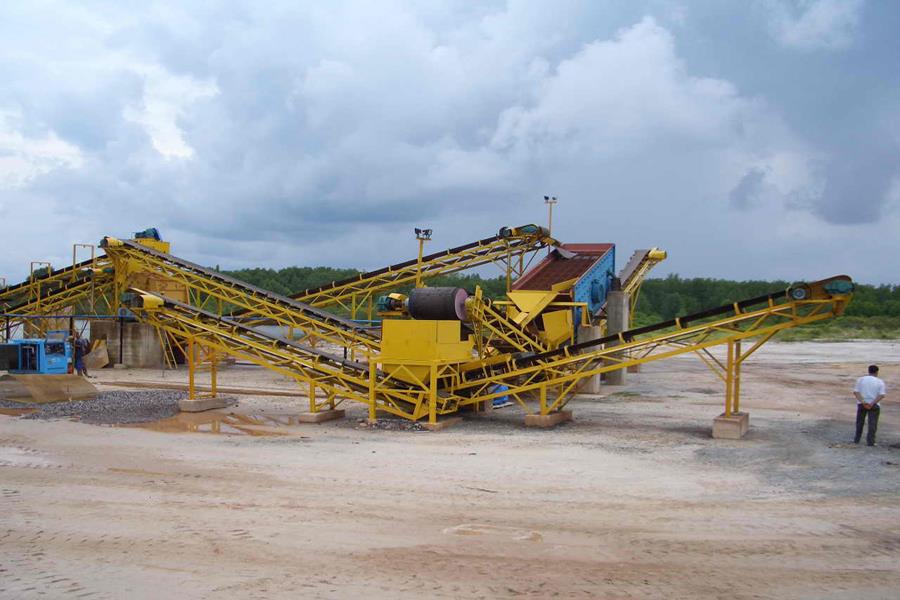
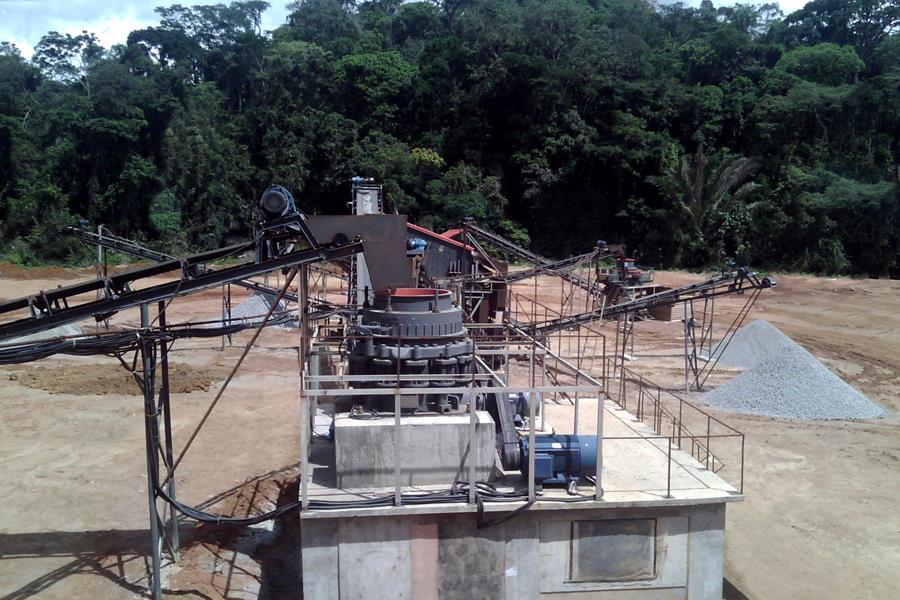
150 TPH Andesite Vibrating Screen in Bogotá Colombia – A Strategic Investment for a Rapidly Expanding Infrastructure Market
Why a 150 TPH andesite vibrating screen is a strategic investment for quarry operators and aggregate producers serving Colombia’s fast-growing construction and infrastructure sectors
Colombia’s aggregates market is experiencing a period of remarkable growth. The sector recorded an impressive compound annual growth rate of 26.13% from 2020 to 2024, with growth of 12.46% from 2023 to 2024 alone. This momentum is driven by the Colombian government’s continued commitment to infrastructure development, with major projects such as the 4G and 5G road programmes, the Regiotram del Norte commuter train (a US$3.55 billion rail project), and the construction of the ALO Sur highway in Bogotá – a 24.5-kilometre corridor with an investment of nearly 1.96 trillion pesos. The Andes mountain range contains vast deposits of basalt, andesite, and granite with high silica content, making Colombia a natural source of premium hard rock aggregates. For quarry operators, aggregate producers, and contractors looking to capitalise on this booming market, a 150 TPH andesite vibrating screen in Bogotá Colombia offers the ideal solution for efficient material classification and high-quality aggregate production. At OCP Mechanical Company, with over 40 years of manufacturing experience, we supply factory-direct vibrating screens engineered for hard rock applications, providing transparent pricing and customised configurations for the Colombian market.
Bogotá’s infrastructure boom – why demand for screened aggregates is surging
Bogotá is at the centre of Colombia’s most significant infrastructure expansion in decades. The ALO Sur highway project, which received its final environmental licence in early 2026, began construction in August 2026 with a four-year timeline. The project aims to decongest the Autopista Sur and improve freight access to the capital, requiring enormous volumes of high-quality aggregates for road base, concrete, and asphalt. In addition, the Regiotram del Norte project opened its call for bids in August 2026, representing a US$3.55 billion rail investment for the savanna region. The Tibanica Bridge project, connecting Bogotá with Soacha, is also progressing, with the bidding process opened in the first half of 2026. The Carrera Séptima corridor, an 11.56-kilometre project with 14 TransMilenio stations, is another major initiative driving aggregate demand. For quarry operators and contractors, investing in a 150 TPH andesite vibrating screen in Bogotá Colombia allows you to capitalise on this growing demand while producing specification-grade aggregates for the country’s most important infrastructure projects. Our vibrating screens are designed to deliver consistent classification and high throughput, meeting the stringent quality requirements of modern road and rail construction.
Understanding andesite and why effective screening is critical for aggregate quality
Andesite is a volcanic extrusive rock with medium to high hardness (Mohs 5-6) and medium abrasiveness. It is widely used as a high-quality construction aggregate due to its durability and strength. However, the quality of aggregates derived from andesite depends heavily on the rock’s textural, structural, and mineralogical features. Fine-porphyritic andesite has been found to possess the highest uniaxial compressive and tensile strengths, along with the most favourable results in micro-Deval tests, making it an excellent material for high-specification applications. For a 150 TPH operation, the vibrating screen plays a critical role in separating crushed andesite into different size fractions, ensuring that each product meets the required specifications for road base, concrete aggregates, and asphalt applications. A well-configured vibrating screen with multiple decks can produce multiple product sizes simultaneously, maximising plant efficiency and product value. In Colombia, where the Andes contain extensive andesite deposits,the ability to screen this material accurately and efficiently is a significant competitive advantage. When you evaluate a 150 TPH andesite vibrating screen in Bogotá Colombia, you need a solution that can handle the abrasiveness of andesite while delivering consistent classification and high availability. Our Type S vibrating screen is specifically engineered for hard rock applications, featuring a heavy-duty screen box, adjustable vibration parameters, and quick-change screen media for easy maintenance. All product specifications, including capacity and screening accuracy, are continuously updated; for the latest parameters, please consult our online customer service.
Key features to look for in a 150 TPH vibrating screen for andesite
When you evaluate a 150 TPH andesite vibrating screen in Bogotá Colombia, several critical features should guide your selection. The screen box design is paramount – a heavy-duty screen box with multiple decks provides the flexibility to produce different product fractions from crushed andesite. For a 150 TPH operation, a screening area of approximately 12-16 square metres is typically required. The screen media – whether woven wire, polyurethane, or rubber panels – affects both performance and cost; polyurethane panels offer longer wear life and reduce blinding, making them ideal for hard rock applications. The vibration mechanism – whether eccentric shaft or exciter motor – determines screening efficiency and maintenance requirements. The inclination angle should be adjustable to optimise material flow and screening efficiency for different feed conditions. The motor power must be sufficient to handle the 150 TPH capacity with a margin for feed variations. Our Type S vibrating screen includes all these features, with a robust screen box, adjustable vibration parameters, quick-change screen media, and a powerful exciter mechanism. When you invest in a 150 TPH andesite vibrating screen in Bogotá Colombia, these features ensure reliable, high-quality output with minimal downtime.
Colombia’s operating environment – construction activity, regulations, and logistics
Colombia’s construction and mining sectors are structurally import-dependent, with 70-85 per cent of installed equipment sourced from overseas manufacturers. This creates a significant opportunity for equipment suppliers who can offer reliable, cost-effective solutions. The share of Chinese-origin machines is projected to reach 20-25 per cent of total imports by 2035, up from an estimated 12-15 per cent in 2026. The Colombian government has established clear regulations for importing heavy machinery for mining, with authorised ports including Barranquilla, Bogotá, Buenaventura, Cali, and Cartagena. Environmental regulations are also impacting quarrying activities, making it essential for operators to choose equipment that supports compliance with local standards. When you invest in a 150 TPH andesite vibrating screen in Bogotá Colombia, you should specify equipment that can operate reliably in the country’s diverse climate, which ranges from tropical in the lowlands to temperate in the highlands. Our Type S vibrating screen is built with corrosion-resistant coatings, high-temperature grease, and weatherproof electrical enclosures. The power supply in Colombia is generally stable at 480V/60Hz, and we offer motors compatible with local electrical specifications. Our logistics team has extensive experience shipping to Colombia through the ports of Buenaventura, Cartagena, and Barranquilla, and we coordinate with local freight forwarders for inland delivery to Bogotá and other mining regions. We also provide all necessary documentation for customs clearance, including certificates of origin and CE compliance.
Energy efficiency and operating costs – maximising your return on investment
The long-term profitability of your vibrating screen depends not only on the initial investment but also on the ongoing operating costs. Our Type S vibrating screen features high-efficiency motors and an optimised exciter design that reduces power consumption by approximately 10-15 per cent compared to conventional designs, based on our internal comparative data. With industrial electricity tariffs in Colombia being a significant operating cost, these savings accumulate over the machine’s lifetime. Wear parts – such as screen panels and bearings – for andesite typically last 1,500-3,000 hours, depending on feed abrasiveness. We supply genuine replacement parts at factory prices and recommend keeping a spare set of screen panels on site to minimise downtime. By optimising both the equipment selection and operational practices, you can achieve a low cost per tonne and a fast payback period. The growing demand for aggregates in Colombia, combined with the government’s push for infrastructure development, makes investing in reliable screening capacity a strategic move. We provide a comprehensive cost projection with every quotation, helping you evaluate the return on investment accurately.
Sample parameter table for Type S vibrating screen (For reference only)
The table below provides indicative specifications for our Type S vibrating screen, suitable for 150 TPH andesite applications. Actual values depend on feed characteristics and product requirements; please request the latest data from our customer service, as all parameters are continuously updated.
| Parameter | Value (approximate) |
|---|---|
| Model | Type S |
| Capacity (andesite) | 145-165 TPH |
| Screening area | 12-16 m² |
| Number of decks | 2 or 3 (customisable) |
| Screen media options | Woven wire, polyurethane, rubber |
| Vibration frequency | 800-1,000 RPM |
| Motor power | 22-37 kW |
| Weight (approx.) | 8,000-14,000 lbs (3,600-6,400 kg) |
This table is for illustrative purposes only. For precise engineering data and process guarantees, please consult our technical team with your specific andesite sample.
Why OCP Mechanical is your trusted partner for screening solutions in Colombia
With over 40 years of manufacturing experience, OCP Mechanical offers significant advantages over other suppliers. We are a factory-direct manufacturer, meaning you deal directly with the source – no middlemen, no inflated prices. Our Type S vibrating screen is built with high-quality components and rigorously tested before shipment. We can customise the screen with various deck configurations, media types, and automation levels to suit your specific andesite feed and product requirements. Our logistics team has extensive experience shipping to Colombia, and we provide all necessary documentation for customs clearance. With Colombia’s aggregates market poised for continued growth – driven by major infrastructure projects, rapid urbanisation, and the government’s 4G and 5G road programmes – choosing a reliable supplier with a proven track record is essential. Our after-sales support includes a 12-month warranty, remote technical assistance, and a comprehensive spare parts supply chain. We are committed to helping you achieve efficient, cost-effective aggregate screening that supports your business growth in Colombia.
Conclusion – Request your quote today and capitalise on Colombia’s infrastructure boom
Colombia’s unprecedented infrastructure investment and sustained construction growth create a compelling opportunity for aggregate producers and contractors. A 150 TPH andesite vibrating screen offers the ideal capacity to meet the growing demand for high-quality aggregates in Colombia’s construction market. By investing in a high-quality vibrating screen at factory-direct prices, you can produce specification-grade screened aggregates that meet the most demanding construction specifications. OCP Mechanical offers the equipment, expertise, and competitive pricing you need to make this investment a success. Our online customer service team is available 24/7 to provide a detailed quote for a 150 TPH andesite vibrating screen in Bogotá Colombia tailored to your project. They will provide free consultation, updated technical data, and a comprehensive, no-obligation quotation. Click the chat button now – let us help you build a productive and profitable aggregate screening operation in Colombia.